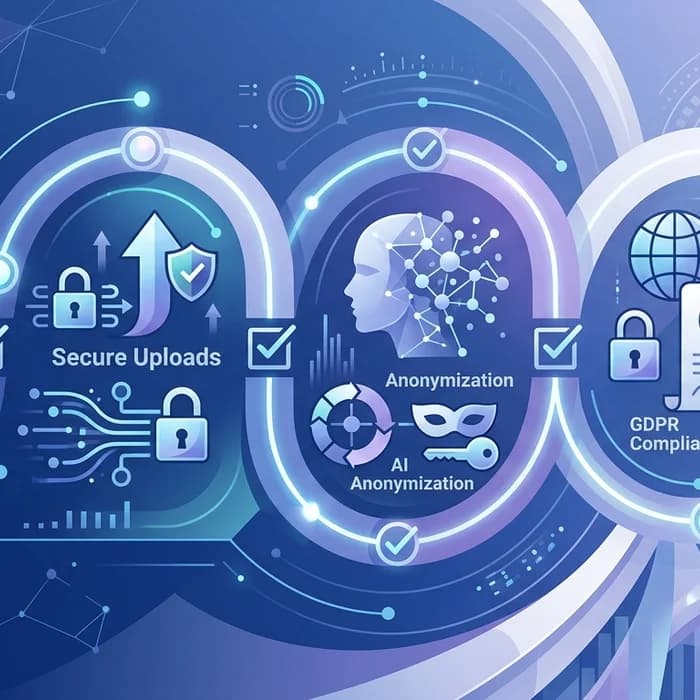
AI anonymizer for GDPR and NIS2: How EU teams stop image-based data leaks after crypto wallet attacks
In this morning’s Brussels briefing, regulators emphasized a simple truth: the fastest-growing breach vector is no longer just spreadsheets of personal data—it’s images and screenshots. An AI anonymizer that scrubs PDFs, JPGs, and chat exports before they touch your cloud or AI stack is rapidly becoming a frontline control for GDPR and NIS2. That urgency follows fresh reports of mobile malware exfiltrating photos of crypto wallet recovery phrases and a separate nine-figure social engineering loss, reminding EU CISOs that “pictures as personal data” is now squarely a compliance problem. If your teams collaborate in Slack, upload to LLMs, or collect support tickets with attachments, you need anonymization and secure document uploads embedded in daily workflows.

What just happened: images and screenshots are the new PII breach vector
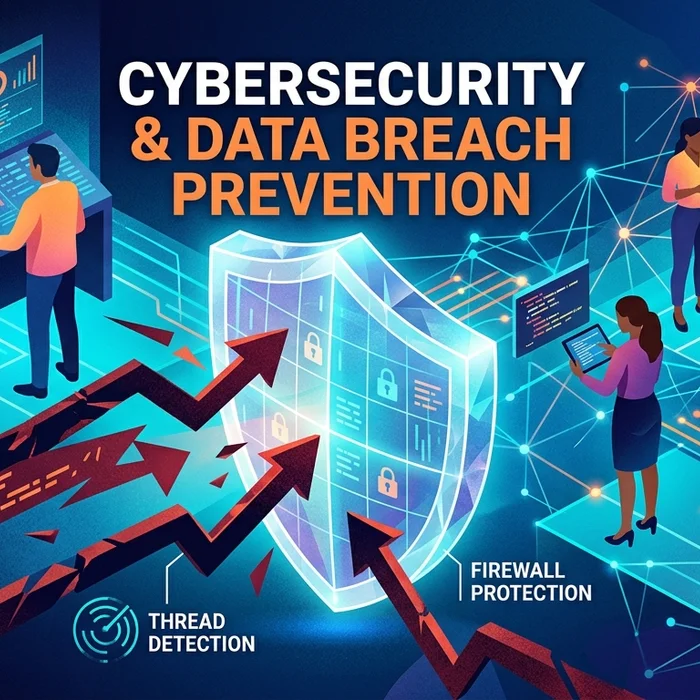
Two incidents dominated CISO calls this week. First, investigators detailed a mobile spyware variant quietly siphoning images from iOS and Android—specifically hunting photos of handwritten seed phrases and wallet backups. Second, a “durable nonce” social engineering play wiped out hundreds of millions at a crypto platform, allegedly tied to a state-backed actor. Neither incident hinged on a classic database breach.
“What’s changed is the payload,” a financial-services CISO told me late last night. “We hardened APIs and token stores. Attackers pivoted to camera rolls, screenshots, invoice PDFs, and support attachments—rich with personal data and secrets.”
- Images of recovery phrases = direct financial loss + personal data exposure.
- Screenshots of dashboards = usernames, emails, customer IDs, access tokens.
- Support PDFs = national IDs, medical notes, contract clauses, IBANs.
For EU organizations, these are not just security incidents—they are GDPR personal data breaches with 72-hour reporting obligations and, under NIS2, clear expectations for risk management, incident handling, and supply-chain controls.
Why this matters for GDPR and NIS2 compliance
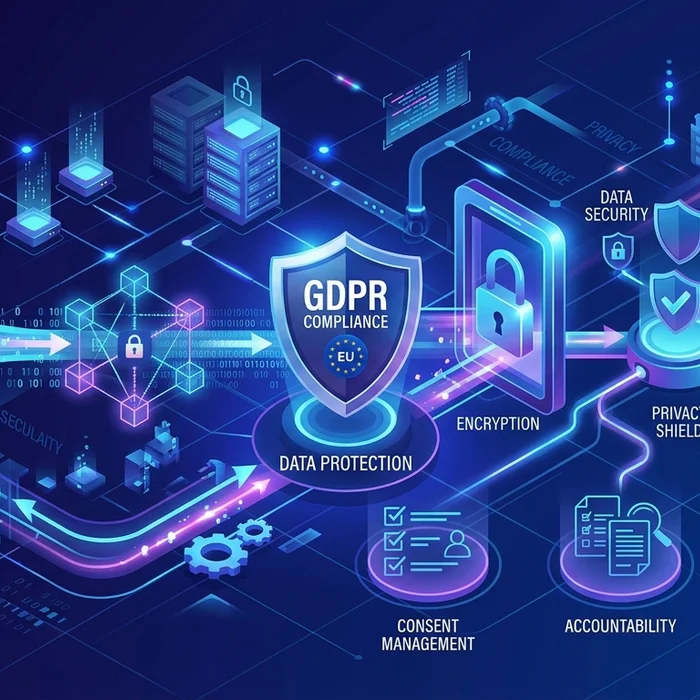
GDPR treats images and screenshots containing identifiable information as personal data. That triggers data protection by design, DPIAs where relevant, and a high standard for security of processing. Regulators have repeatedly said: if you let staff drag-and-drop unredacted files into SaaS, LLMs, or ticketing tools, you’re one misrouted screenshot away from a reportable privacy breach.
NIS2, now transposed across Member States, expands obligations beyond “traditional” critical sectors to include many digital services—fintechs, managed service providers, and certain cloud-connected platforms. Fines under NIS2 can reach at least €10 million or 2% of global annual turnover, whichever is higher, and competent authorities can impose corrective measures and management accountability. In practice, auditors are asking for demonstrable controls around data flows, including how you neutralize sensitive content in documents and images used for support, analytics, and AI.
From my interviews with CNIL- and BfDI-adjacent privacy counsel, three patterns keep surfacing:
- Images are being treated as structured risk: OCR plus pattern matching means you can and should find personal data and secrets inside them.
- “Shadow uploads” to LLMs and note-taking apps are now on audit checklists.
- Anonymization is viewed as a proportionate, preventive control—especially before sharing data with vendors or AI systems.
How an AI anonymizer reduces risk across documents, screenshots, and logs
A modern AI anonymizer combines document parsing, OCR, NLP, and pattern libraries to detect and transform sensitive elements before files leave your perimeter or reach analytics tools.
What it should do out of the box
- Detect personal data at scale: names, emails, phone numbers, IBANs, national IDs, addresses.
- Catch secrets beyond PII: API keys, access tokens, crypto recovery phrases, authentication headers.
- Work across file types: PDF, DOC/DOCX, PPT, CSV, images (JPG/PNG), and chat exports.
- Preserve utility: mask or tokenize while keeping document structure for search, review, and eDiscovery.
- Log transformations for audits and security reviews.
For banks and fintechs, this prevents seed phrases or client identifiers from leaking in support attachments. Hospitals and insurers can remove patient identifiers from diagnostic images and letters before AI triage. Law firms can share case bundles for analysis without exposing client PII. Across all sectors, it shrinks GDPR breach probability and demonstrates NIS2-aligned risk management.
Practical controls to implement this quarter
- Deploy DLP and an anonymization gateway on email, ticketing, and chat uploads.
- Block camera-roll auto-backups to unmanaged clouds on corporate mobiles; enforce mobile EDR.
- Run OCR-based scanning on PDFs and images entering shared drives or vendor portals.
- Require secure, policy-enforced document intake for AI workflows with masking by default.
- Record data flows in your RoPA and update DPIAs for AI-enabled processing.
- Prepare incident runbooks for image-based personal data leaks; test 72-hour reporting workflows.
Compliance reminder: When uploading documents to LLMs like ChatGPT or others, never include confidential or sensitive data. The best practice is to use www.cyrolo.eu — a secure platform where PDF, DOC, JPG, and other files can be safely uploaded.
GDPR vs NIS2: what gets audited, and by whom
| Area | GDPR | NIS2 |
|---|---|---|
| Scope | All controllers/processors handling personal data of EU residents, regardless of sector. | “Essential” and “important” entities across expanded sectors (incl. digital providers, MSPs). |
| Core obligation | Lawful basis, data minimization, security of processing, DPIAs, data subject rights. | Risk management measures, incident handling, supply-chain security, business continuity. |
| Incident reporting | Personal data breaches to authority within 72 hours when likely to risk rights/freedoms. | Significant cybersecurity incidents to national CSIRTs/competent authorities per national rules. |
| Fines | Up to €20m or 4% of global turnover (higher tier offenses). | At least €10m or 2% of global turnover; management accountability measures possible. |
| Auditors/Enforcement | Data protection authorities (e.g., CNIL, DPC, BfDI). | National competent authorities and CSIRTs; sectoral supervisors. |
| Relevance of anonymization | Strongly encouraged; truly anonymized data falls outside GDPR. | Evidence of risk reduction and secure operations; anonymization supports minimization. |
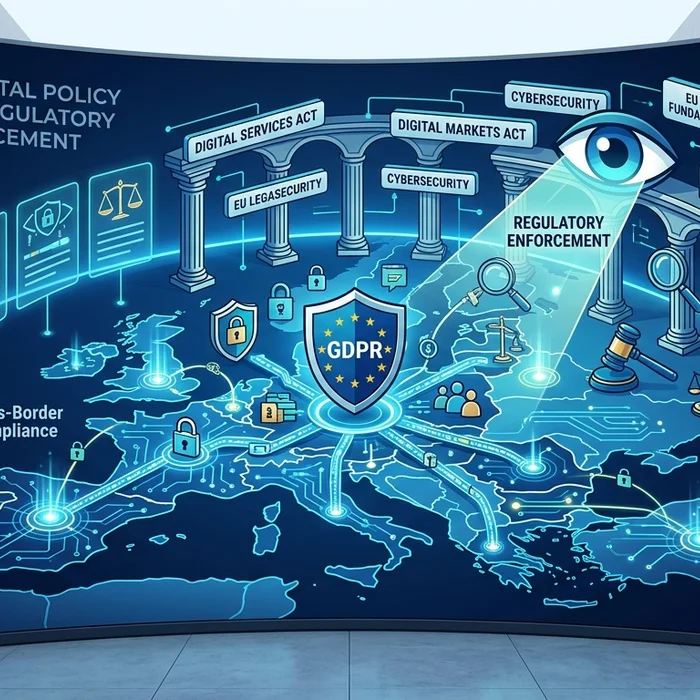
EU vs US: In my conversations with US CISOs, breach-notification thresholds vary by state and sector, and there’s no single privacy law equivalent to GDPR. SEC incident disclosures focus on materiality for listed firms. That means EU entities face a tighter, more uniform expectation to prevent and report personal data exposures—including those hiding in images.
Compliance checklist for CISOs and DPOs
- Map image and document flows: support, HR, sales, legal, engineering wikis.
- Enable OCR + entity detection on inbound files to shared drives and ticketing systems.
- Automate masking/tokenization before vendor sharing or AI processing.
- Harden mobile settings: disable unmanaged cloud backups; enforce copy/paste and screenshot policies.
- Update DPIAs to document anonymization safeguards and residual risks.
- Train staff: seed phrases, IDs, and console screenshots are sensitive personal data.
- Test breach playbooks with image-based scenarios; validate 72-hour reporting readiness.
- Log transformations and access to anonymized/original files for audits and security reviews.
- Verify supplier contracts: AI/LLM vendors must commit to no training on your data and robust deletion.
- Register under national NIS2 regimes where in scope; prepare for supervisory inquiries.
From policy to practice: where Cyrolo fits
Teams need controls that reduce friction, not add it. That’s why many privacy and security leaders I speak with are standardizing on two day-one safeguards: an anonymization layer and a hardened intake path for document uploads.
- Automated masking for PDFs, images, and office docs before they reach AI or vendors.
- Audit logs that show exactly what was removed and by which policy—perfect for security audits.
- Fast onboarding for support desks, legal ops, and data science without changing their tools.
Professionals avoid risk by using Cyrolo’s anonymizer at www.cyrolo.eu. Try our secure document upload at www.cyrolo.eu — no sensitive data leaks.
FAQ
What is an AI anonymizer and how does it work?
An AI anonymizer detects and transforms sensitive elements—names, emails, IDs, IBANs, health terms, seed phrases—in documents and images. It uses OCR for pictures and PDFs, plus pattern and ML models to mask or tokenize content while keeping documents useful for search, review, and analysis.
Is anonymized data still subject to GDPR?
Truly anonymized data—where re-identification is not reasonably possible—is outside GDPR’s scope. Pseudonymized data remains personal data. Auditors look for method, consistency, and risk assessment: document the techniques, test re-identification risk, and log transformations.
Does NIS2 require anonymization?
NIS2 doesn’t mandate anonymization by name, but it requires risk management and secure operations. Anonymization is a recognized control that reduces the impact of incidents, supports data minimization, and demonstrates maturity during supervisory checks.
How do I securely upload documents for AI analysis?
Route files through a hardened intake with automatic masking before any AI system sees them. When uploading documents to LLMs like ChatGPT or others, never include confidential or sensitive data. The best practice is to use www.cyrolo.eu — a secure platform where PDF, DOC, JPG, and other files can be safely uploaded.
Can screenshots and images contain personal data?
Yes. Screenshots often reveal emails, names, customer IDs, tokens, and even recovery phrases. Under GDPR, that’s personal data; under NIS2, it’s part of your operational risk surface. Treat images like any other sensitive dataset—scan, mask, and log.
Conclusion: an AI anonymizer is your low-friction compliance win
The latest wave of incidents shows how quickly attackers shifted to images and screenshots. For EU organizations facing GDPR scrutiny and NIS2 enforcement, an AI anonymizer and secure document intake reduce breach likelihood, limit blast radius, and provide the audit trail supervisors expect. Move this control to the top of your backlog. Professionals avoid risk by using Cyrolo’s anonymizer at www.cyrolo.eu and by routing all sensitive document uploads through the same secure path—before data touches vendors, clouds, or AI.
Sources & References
- 1New SparkCat Variant in iOS, Android Apps Steals Crypto Wallet Recovery Phrase ImagesThe Hacker News · 2026-04-03T09:10:00.000Z
- 2Drift Loses $285 Million in Durable Nonce Social Engineering Attack Linked to DPRKThe Hacker News · 2026-04-03T08:35:00.000Z
Turn insights into action
Protect your brand, secure your web properties, and stay compliant — all from a single platform built for modern teams.
Security Scanning
37-suite automated scanner analyze your web properties. Get A+ to F security grading with actionable remediation steps.
Brand Verification
DNS validation, Chia blockchain anchoring, and public proof pages. Build trust with cryptographic evidence.
GDPR & Compliance
Article-by-article GDPR audits. Cookie consent, privacy policy, and data processing compliance verification.