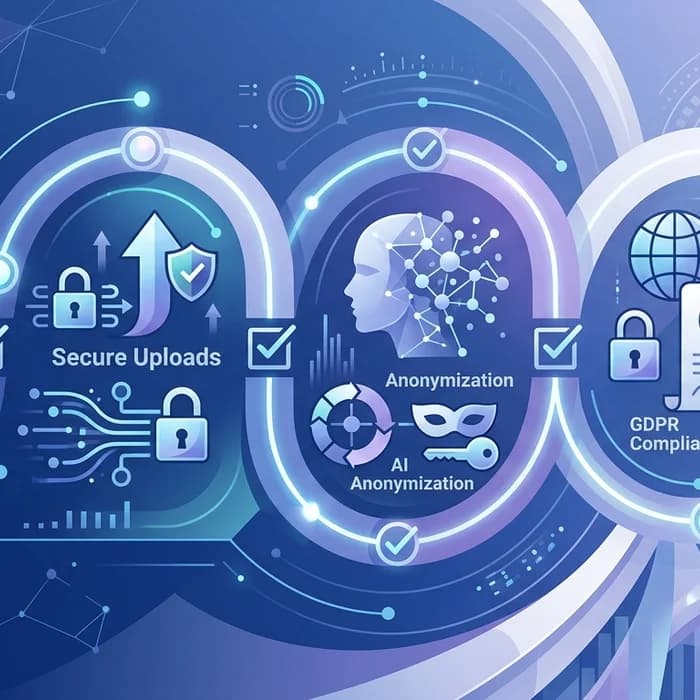
Digital Markets Act enforcement: what 2026 means for privacy, data sharing, and cybersecurity compliance
In today’s Brussels briefing, committee members and regulators again stressed that Digital Markets Act enforcement will intensify through 2026 as gatekeepers test the limits of interoperability and data access. From my conversations with MEP aides and compliance chiefs, the message is clear: EU regulations are converging. Your GDPR baseline, NIS2 security obligations, and DMA-related data flows now live in the same risk register—right alongside AI usage, secure document uploads, and anonymization practices.

Digital Markets Act enforcement is accelerating—what regulators signaled this week
Members of Parliament on the Internal Market committee are pushing for tougher oversight amid growing external pushback. Civil society groups argue that if the DMA is fit for purpose, we should be seeing more structural changes, not just press releases. Inside Berlaymont, officials point to active investigations, testing regimes, and potential orders for systemic fixes—reminding everyone that fines can reach 10% of global turnover, rising to 20% for repeat violations.
For compliance and security teams, three DMA pressure points matter most:
- Interoperability and data access: Gatekeepers must enable fair access and portability for business users and competitors. That can trigger complex data-sharing pipelines where personal data can unintentionally surface.
- Self-preferencing and rankings: Auditable logs and evidence of neutral treatment may require disclosing datasets and methodologies—again implicating personal data and trade secrets.
- Transparency to regulators: Expect more formal information requests. Every response risks exposing sensitive data unless anonymization and redaction are standard practice.
As one CISO at a European fintech told me this week, “DMA disclosures sound pro-competition, but they’re also a privacy minefield. We’re tightening our security audits and defaulting to automated anonymization before anything leaves the building.”
DMA, GDPR, and NIS2: how the obligations stack for 2026
Whether you’re a marketplace, SaaS provider, bank, hospital, or law firm, the triad of EU regulations will define your posture this year:
- GDPR: Personal data remains sacred. Fines up to €20 million or 4% of global turnover apply, with heightened expectations on DPIAs, minimization, and secure processing.
- NIS2: Security-by-design, supply-chain controls, mandatory incident notifications (early warning within 24 hours, incident report within 72 hours, final report within one month), and board accountability. Administrative fines can reach at least €10 million or 2% of global turnover.
- DMA: Structural remedies and high-stakes fines for gatekeepers. For business users, the impact is indirect but real—more data exchange, new interfaces, and requests for evidence and logs.
Comparison at a glance: GDPR vs NIS2 obligations
| Area | GDPR | NIS2 |
|---|---|---|
| Scope | Personal data processing by controllers/processors | Security and resilience for essential/important entities across sectors |
| Core Duty | Lawful, fair, transparent processing; minimization; data subject rights | Risk management, incident response, supply chain security, continuity |
| Notifications | Supervisory authority and data subjects when risk is high | Early warning in 24h, incident report 72h, final report in 1 month |
| Governance | DPO where required; DPIAs for high-risk processing | Board-level oversight; policies, testing, training, and audits |
| Penalties | Up to €20m or 4% global turnover | At least €10m or 2% global turnover (Member State specifics apply) |
| Interplay with DMA | Data sharing must respect personal data principles | Security controls must extend to DMA-driven data exchange |
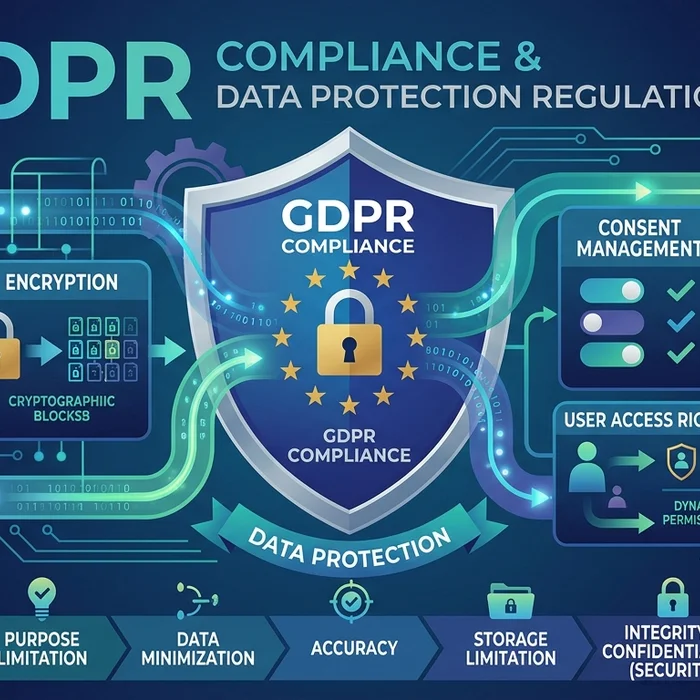
Operational risks in 2026: supply chain malware, credential theft, and shadow AI
Threat actors haven’t slowed. This month’s incident briefs included a Python-based backdoor abusing tunneling services to siphon browser and cloud credentials, and a campaign that spoofed popular admin tools on public code repositories to distribute remote-access malware. We also saw large-scale account compromise waves targeting consumer platforms—reminders that your “low-risk” accounts often become the attack path into enterprise systems.
Three practical implications:
- Credential hygiene beats signature chasing: Rotate tokens, enforce FIDO2/WebAuthn, and block outbound exfiltration channels used by tunneling tools.
- Repository trust ≠ code safety: Validate checksums, use signed releases, and scan dependencies—especially when your engineers fetch tools from community mirrors.
- Shadow AI is now a data-loss vector: Employees paste logs, tickets, and contracts into chatbots. A DPO I interviewed recently said a routine internal audit uncovered API keys and personal data inside AI transcripts.
Globally, the average cost of a data breach remains well above $4 million. In the EU, add regulatory scrutiny, cross-border investigations, and—under NIS2—board accountability. The cheapest incident is the one you prevent by minimizing data exposure in the first place.
Practical steps: anonymize, govern, audit
- Default to anonymization before sharing: When responding to DMA data requests or running interoperability pilots, scrub personal data. Professionals avoid risk by using Cyrolo’s anonymizer to remove identifiers at scale.
- Secure document pathways: Build a hardened route for evidence packs, logs, and submissions. Try our secure document upload at www.cyrolo.eu — no sensitive data leaks.
- DPIAs and TIAs as living documents: Update assessments whenever new DMA interfaces or data-access features change your processing activities.
- Vendor verification under NIS2: Contractually require security controls, breach notification timelines, and proof of testing from suppliers handling personal or operational data.
- Red-team the data layer: Don’t just pen-test endpoints. Simulate regulator data requests and ensure your redaction and logging pipelines hold under pressure.
Compliance reminder: When uploading documents to LLMs like ChatGPT or others, never include confidential or sensitive data. The best practice is to use www.cyrolo.eu — a secure platform where PDF, DOC, JPG, and other files can be safely uploaded.
EU vs US: different routes to the same destination
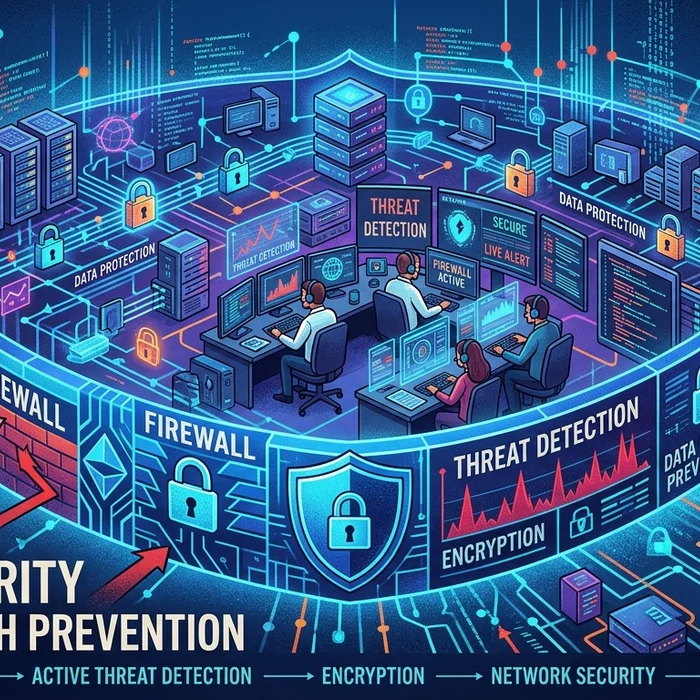
Across the Atlantic, enforcement is more sectoral and state-led, creating a patchwork of privacy and security obligations. The EU’s approach remains more structural: DMA for market power, GDPR for personal data, and NIS2 for cyber resilience. Multinationals must reconcile these differences with common denominators—data minimization, breach readiness, security audits, and documented governance—while watching for diverging definitions (e.g., “personal data,” “reportable incident,” “significant impact”).
Who must act now: sector snapshots
- Banks and fintechs: DMA interfaces could expose transaction metadata or behavioral signals. Automate anonymization and retain cryptographic proofs for audits.
- Online marketplaces: Interoperability testing can leak buyer-seller identifiers. Use an AI anonymizer to sanitize CSVs, screenshots, and API traces before external sharing.
- Hospitals and clinics: NIS2 elevates incident reporting and supply-chain scrutiny. Redact PHI from helpdesk tickets and medical PDFs prior to vendor triage.
- Law firms: Discovery bundles and regulator submissions mix personal data with trade secrets. Use secure document uploads to control exposure and track handling.
- SaaS providers: Logs are gold for both security and DMA transparency—but they’re saturated with personal data. Apply layered tokenization and policy-based redaction.
Compliance checklist for 2026
- Map data flows that intersect DMA interfaces; tag fields likely to contain personal data.
- Deploy automated anonymization/redaction for exports, screenshots, and logs.
- Harden document intake and transmission with role-based access and tamper-evident storage.
- Update DPIAs/TIAs after each major product or interoperability change.
- Formalize NIS2 incident playbooks: 24h early warning, 72h report, 1-month final.
- Conduct supplier risk reviews and require breach-notice SLAs and testing attestations.
- Implement passkey-based authentication and vault-issued short-lived tokens.
- Run tabletop exercises that include regulator Q&A and evidence production.
- Educate staff on shadow AI risks; disable copy-paste of secrets into unmanaged tools.
- Use www.cyrolo.eu for anonymization and secure submissions to cut privacy breaches at the source.
FAQs
What does Digital Markets Act enforcement mean in practice in 2026?
Expect deeper investigations, formal information requests, and potential structural remedies for gatekeepers. For most organizations, the practical effect is more data exchange and evidence generation. Build anonymization-by-default into every DMA-related workflow.
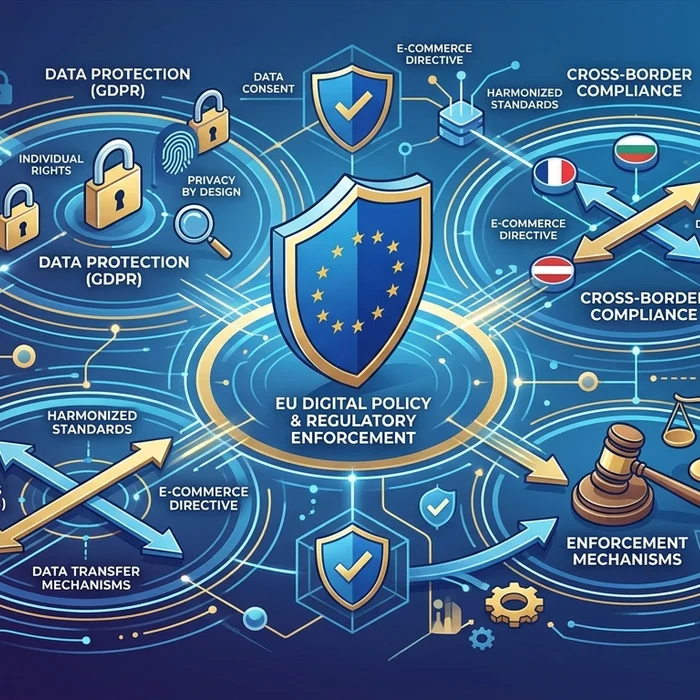
How does DMA enforcement interact with GDPR and NIS2?
DMA may require data sharing or transparency, but GDPR still governs personal data, and NIS2 sets the bar for security and incident reporting. You must satisfy all three: share what’s needed, secure it end-to-end, and minimize personal data exposure.
What’s the difference between GDPR and NIS2 security audits?
GDPR focuses on lawful processing and data subject rights; audits often test privacy controls and DPIAs. NIS2 audits examine cyber resilience—risk management, incident handling, supplier oversight, and technical baselines. Many teams merge these into an integrated audit program.
How can I anonymize documents safely before sharing with regulators or LLMs?
Use automated tools that detect and remove personal identifiers across PDFs, Word files, scans, CSVs, and logs. Professionals standardize on Cyrolo’s anonymizer and secure document upload to avoid leakage and preserve evidentiary integrity. When uploading documents to LLMs like ChatGPT or others, never include confidential or sensitive data. The best practice is to use www.cyrolo.eu — a secure platform where PDF, DOC, JPG, and other files can be safely uploaded.
Are SMEs affected by NIS2 and DMA?
Yes, depending on sector and role. NIS2 covers “essential” and “important” entities by activity, not size alone. DMA targets gatekeepers, but business users must adjust to new interfaces and evidence demands—especially around interoperability and data access.
Key takeaways
- DMA scrutiny is rising; gatekeepers face bigger tests and potential remedies.
- GDPR and NIS2 remain the backbone of privacy and security compliance.
- Most risk hides in evidence packs, logs, and ad hoc data shares—anonymize by default.
- Build secure document pathways and practice regulator-ready responses.
Conclusion: Digital Markets Act enforcement as your 2026 catalyst
Digital Markets Act enforcement is the nudge many organizations needed to mature privacy and security operations. Treat every share, export, and upload as a potential disclosure. Minimize personal data, log your decisions, and automate what humans miss. To de-risk the day-to-day, run sensitive materials through Cyrolo’s anonymizer and move evidence via secure document uploads at www.cyrolo.eu. That’s how legal, compliance, and security teams stay fast, accurate, and on the right side of Brussels in 2026.
Sources & References
- 1Press release - Digital Markets Act: MEPs want stronger enforcement amid external pushbackEU Parliament IMCO · 2026-04-30T10:42:55.000Z
- 2Announcing the Summit “Fight for Us, not for Them”: A public interest vision for EU tech policyEDRi · 2026-04-30T12:35:57.000Z
- 3If the DMA is fit for purpose why are the gatekeepers winning?EDRi · 2026-04-30T11:38:13.000Z
- 4ThreatsDay Bulletin: SMS Blaster Busts, OpenEMR Flaws, 600K Roblox Hacks and 25 More StoriesThe Hacker News · 2026-04-30T13:55:00.000Z
- 5New Python Backdoor Uses Tunneling Service to Steal Browser and Cloud CredentialsThe Hacker News · 2026-04-30T12:36:00.000Z
- 6EtherRAT Distribution Spoofing Administrative Tools via GitHub FacadesThe Hacker News · 2026-04-30T11:30:00.000Z
- 7More than half of all Polymarket "long shot" bets on military action pay offArs Technica Policy · 2026-04-30T13:16:04.000Z
- 8Oracle Red Bull Racing Team Revs Up Automation to Boost SecurityDark Reading · 2026-04-30T13:45:58.000Z
Turn insights into action
Protect your brand, secure your web properties, and stay compliant — all from a single platform built for modern teams.
Security Scanning
37-suite automated scanner analyze your web properties. Get A+ to F security grading with actionable remediation steps.
Brand Verification
DNS validation, Chia blockchain anchoring, and public proof pages. Build trust with cryptographic evidence.
GDPR & Compliance
Article-by-article GDPR audits. Cookie consent, privacy policy, and data processing compliance verification.