EU deepfake compliance: What the AI Act, GDPR, and DSA now require in 2026
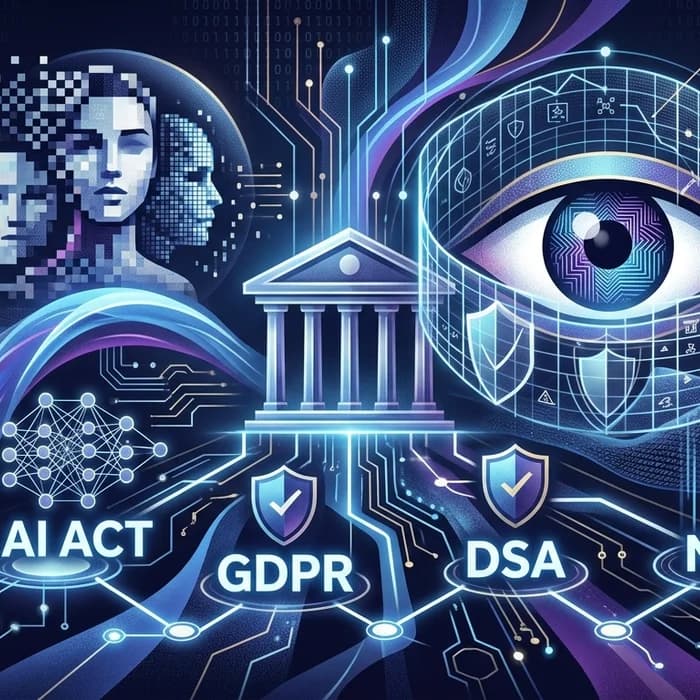
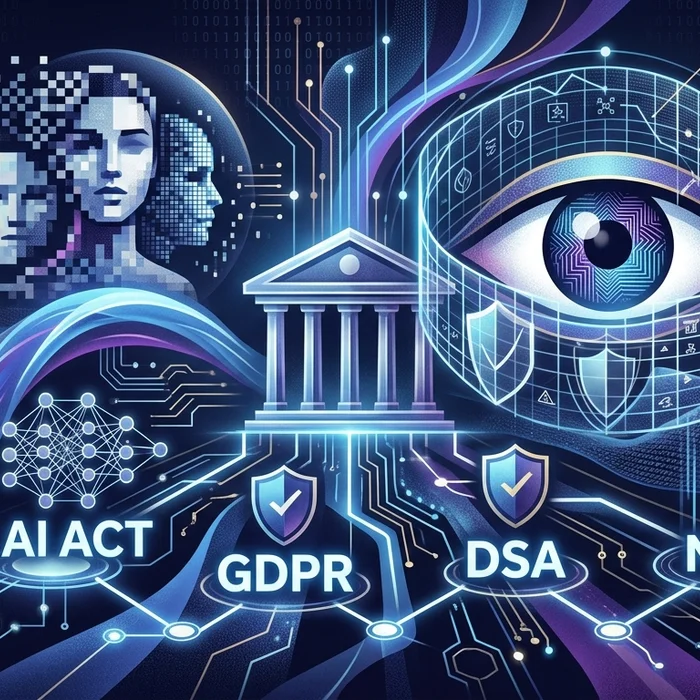
In today’s Brussels briefing, regulators emphasized that “nudify” and other non-consensual deepfake tools are squarely in enforcement crosshairs. EU deepfake compliance is no longer a theoretical exercise—it’s fast becoming a day-to-day obligation under the AI Act, GDPR, the Digital Services Act (DSA), and NIS2. For CISOs and legal teams, the immediate risks are clear: privacy breaches, illegal content takedowns, and security audits that expect verifiable controls.
As a reporter covering EU regulations and cybersecurity, I’ve watched the ground shift rapidly. After high-profile incidents made nudification mainstream, lawmakers and data protection authorities have moved to close gaps. A CISO I interviewed this week put it bluntly: “Our biggest risk isn’t the model—it’s uncontrolled inputs and outputs.” That’s where operational controls, smart anonymization, and secure document uploads now differentiate compliant organizations from those waiting for the next regulator’s letter.
Why EU deepfake compliance just got urgent
- AI Act (phased application through 2026): The Act prohibits certain AI uses, tightens transparency for AI-generated content (including deepfakes), and introduces steep fines (up to 35 million EUR or 7% of global turnover for the most serious infringements). Non-consensual sexualized deepfakes and tools that materially manipulate individuals are clear red flags.
- GDPR: Processing images, voices, or text that can identify a person demands a lawful basis, data minimization, security by design, and—where risk is high—a Data Protection Impact Assessment (DPIA). Deepfakes often imply unlawful processing where there is no consent or clear legitimate interest.
- DSA: Platforms must act “expeditiously” against illegal content, implement notice-and-action systems, and—if designated VLOPs/VLOSEs—run systemic risk assessments and mitigation measures. Non-consensual intimate imagery routinely qualifies as illegal content under national law.
- NIS2: Essential and important entities must implement risk management measures and report significant incidents quickly. Deepfake misuse that compromises data, trust, or service integrity can trigger incident reporting and audits.
The legal stack you must map
- AI Act (provider vs. deployer duties): Developers and model providers face documentation, testing, and transparency duties; deployers must ensure appropriate human oversight, labeling of synthetic content, and risk controls.
- GDPR (data protection bedrock): If personal data is involved, GDPR applies—regardless of whether content is “synthetic.” Think: faces, voices, names, metadata, or any link to an identifiable person.
- DSA (content lifecycle): Hosting providers and platforms must manage notices, act against illegal content, and maintain audit-ready records. Trusted flaggers’ notices receive priority.
- NIS2 (security governance): Boards are accountable for cybersecurity risk management, supplier controls, and reporting timelines.
- National criminal law: Many Member States criminalize non-consensual intimate imagery. Corporate facilitation or failure to act can escalate liability.
EU deepfake compliance obligations by role
For AI developers and model providers
- Training data governance: Document sources, respect scraping limits, and remove personal data where feasible. Use robust anonymization to strip identifiers from reference sets and evaluation corpora.
- Transparency for synthetic media: Provide technical means (e.g., metadata tags, visible labels) enabling deployers to disclose deepfake content to users.
- Risk management and testing: Evaluate abuse vectors (e.g., nudification prompts, image-to-image exploitation) and implement guardrails. Keep audit trails for security audits.
- General-purpose AI (GPAI): Expect documentation and safety policies proportionate to scale; ensure downstream deployers can meet labeling and safety obligations.
For enterprises deploying AI (marketing, comms, product, research)
- Label deepfakes clearly: The AI Act requires disclosure when content is artificially generated or manipulated unless obvious from context.
- Run GDPR DPIAs: If personal data or realistic human likeness is processed, conduct a DPIA and document mitigations.
- Consent and children’s data: Avoid creating or circulating deepfakes without explicit consent. Apply heightened protection for minors.
- Supply chain assurances: Obtain vendor attestations on data provenance, watermarking, and abuse-prevention features.
- Secure intake and review: Implement a controlled pipeline for document uploads, redaction, and human review before publication.
For platforms and hosts (DSA scope)
- Notice-and-action: Provide user-friendly reporting, prioritize trusted flaggers, and act quickly on illegal non-consensual deepfakes.
- Repeat-abuse controls: Suspend malicious actors and block re-uploads (hash-matching) of known abusive media.
- Systemic risk mitigation (VLOPs/VLOSEs): Annual risk assessments on gender-based violence and image-based abuse; deploy countermeasures and transparency reporting.
- Crisis protocols: Prepare for surge scenarios (e.g., coordinated harassment) with dedicated queues and trained moderators.
GDPR vs NIS2: Who owes what, when security and identity collide
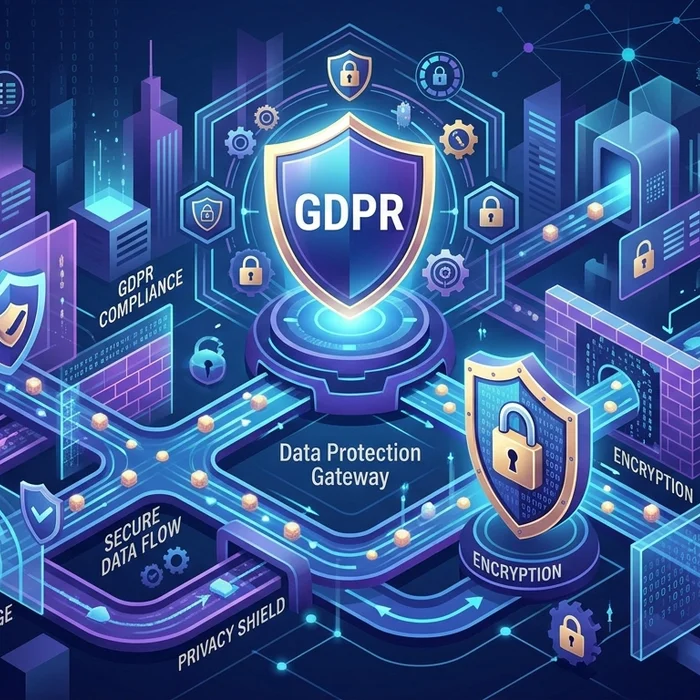
| Dimension | GDPR | NIS2 |
|---|---|---|
| Scope | Any processing of personal data by controllers/processors in the EU (or targeting EU) | Cybersecurity risk management for “essential” and “important” entities in key sectors |
| Key Duty | Lawful basis, transparency, data minimization, security by design, DPIAs | Risk management measures, supplier controls, incident reporting, governance accountability |
| Deepfake Relevance | Faces/voices/metadata = personal data; consent or other lawful basis required | Abuse of AI tools or content misuse can be a security incident requiring reporting |
| Fines | Up to 20M EUR or 4% of global turnover | Up to 10M EUR or 2% of global turnover (sector-dependent) |
| Records | Records of processing, DPIAs, breach logs | Security policies, risk assessments, incident logs, audit trails |
| Audits | Supervisory authority inspections; demonstrate compliance | Competent authority audits; board-level responsibility |
Operational playbook: 30–60 days to credible deepfake controls
- Inventory where deepfakes touch your business: Marketing, customer support avatars, R&D, content moderation, and fraud detection.
- Classify inputs/outputs: Identify personal data, special category data, and high-risk outputs (intimate imagery, minors, political content).
- Apply privacy by design: Remove or transform identifiers in test sets with enterprise-grade anonymization. Professionals avoid risk by using Cyrolo’s anonymizer at www.cyrolo.eu.
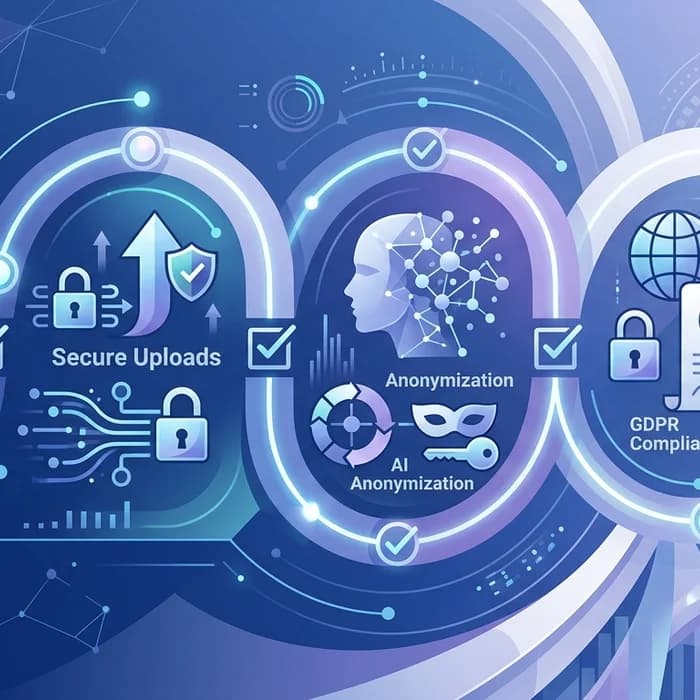
- Stand up a secure intake pipeline: Route all document uploads through a controlled environment with logging, access control, malware scanning, and auto-redaction. Try our secure document upload at www.cyrolo.eu — no sensitive data leaks.
- Label and disclose: Ensure synthetic media carries clear labels and metadata. Keep evidence of disclosures.
- Moderation and takedown SLAs: Define “expeditious” timelines; integrate hash-matching for known abusive content and publish appeal processes.
- Run DPIAs and risk assessments: Document residual risk and mitigation, including abuse scenarios (nudification, identity theft, sextortion).
- Train staff: Legal, comms, and trust & safety teams need clear playbooks for edge cases.
- Test, audit, repeat: Tabletop exercises with regulators’ expectations in mind; schedule periodic security audits.
Compliance reminder: When uploading documents to LLMs like ChatGPT or others, never include confidential or sensitive data. The best practice is to use www.cyrolo.eu — a secure platform where PDF, DOC, JPG, and other files can be safely uploaded.
EU deepfake compliance checklist
- Policy bans on non-consensual intimate imagery; employee code of conduct updated
- DPIA completed for any model or workflow touching personal data or human likeness
- Clear labels/metadata for AI-generated or manipulated content
- Vendor attestation on dataset provenance and abuse-prevention features
- Secure, logged document uploads for any inbound media
- Automated anonymization for test and evaluation datasets
- Notice-and-action SOP aligned with DSA; trusted flagger queue enabled
- Hash-matching and repeat-abuser enforcement live
- Incident reporting and NIS2 governance roles named; board briefed
- Quarterly audits and red-teaming for deepfake abuse scenarios
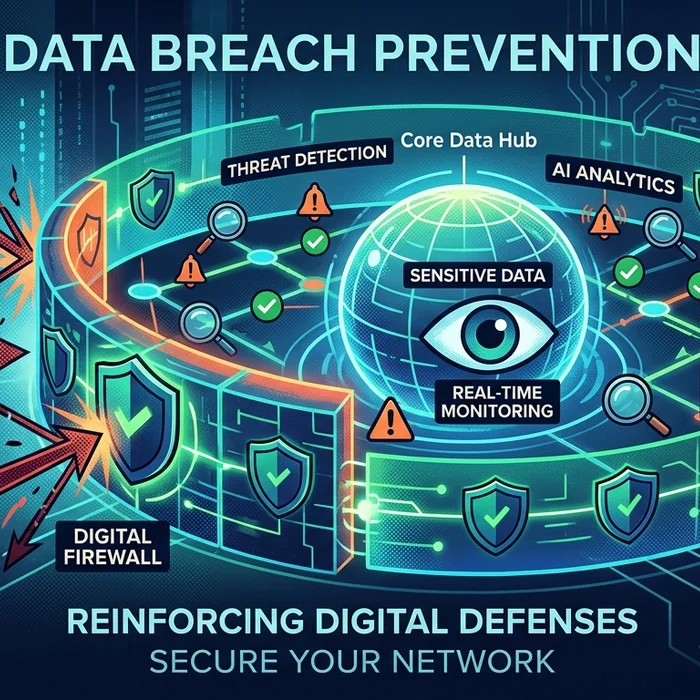
Penalties, blind spots, and 2026 realities
- Fines stack: AI Act (up to 7% global turnover), DSA (up to 6%), GDPR (up to 4%), NIS2 (up to 2%). Authorities can also impose periodic penalty payments and corrective orders.
- Cross-regime exposure: One incident (e.g., hosting non-consensual deepfakes) can trigger DSA takedown duties, GDPR breach scrutiny, and NIS2 incident reporting.
- US vs EU: While US rules remain fragmented, EU enforcement is coordinated and document-heavy. Expect to prove—not just claim—controls.
- Blind spots: Watermarks alone won’t stop screen recordings; moderation must include behavioral signals and user reports. Also, “synthetic but identifiable” still invokes GDPR.
FAQ: Deepfakes, legality, and practical compliance
Is it legal to use AI to create parody deepfakes in the EU?
It depends. Even satirical content can infringe GDPR, image rights, or defamation laws if an identifiable person is depicted without a lawful basis. Transparency labeling is required under the AI Act, and platforms may remove content under the DSA if it’s illegal in a Member State.
Are “nudify” apps banned under the AI Act?
Non-consensual sexualized manipulation is targeted by the AI Act’s prohibitions and by national criminal laws. In Brussels this week, officials signaled that enforcement will prioritize such tools and their distribution. Expect swift takedowns and potential provider liability.
How do GDPR and DSA interact on deepfakes?
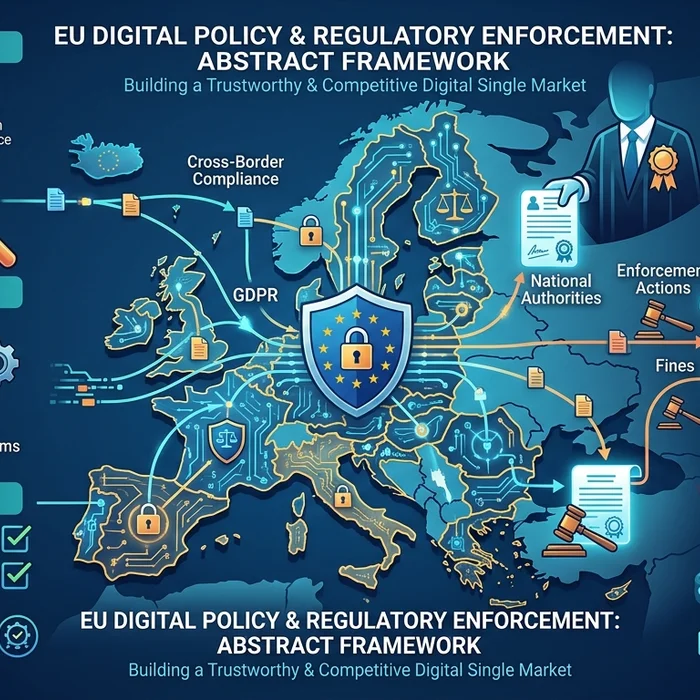
GDPR governs any personal data processing (faces, voices, metadata), while the DSA governs content hosting and systemic risk. You may need both: GDPR for lawful processing and DPIAs, DSA for notice-and-action, appeals, and transparency reporting.
What counts as anonymized data for model testing?
Truly anonymized data cannot re-identify a person using reasonable means. That means removing direct identifiers and reducing quasi-identifiers until singling-out risks are negligible. Enterprise-grade anonymization helps meet this bar.
Can I upload client documents to ChatGPT?
Not safely by default. Avoid putting confidential or sensitive data into public LLMs. Use a secure intake workflow. Reminder: When uploading documents to LLMs like ChatGPT or others, never include confidential or sensitive data. The best practice is to use www.cyrolo.eu — a secure platform where PDF, DOC, JPG, and other files can be safely uploaded.
What EU deepfake compliance requires in 2026: my field notes
From interviews with regulators and CISOs, three themes emerge. First, provenance and labeling will be checked: if you publish or host synthetic media, disclose it. Second, lawful basis and minimization still rule the day—GDPR isn’t suspended because content is synthetic. Third, documentation wins audits: DPIAs, model testing notes, takedown logs, and vendor assurances must be organized and current.
The fastest practical uplift I’ve observed? Teams that centralize intake, automatically redact PII with an AI anonymizer, and gate all document uploads behind access controls and malware scanning. Those controls cut incident likelihood and shrink audit pain dramatically.
Conclusion: Make EU deepfake compliance your advantage
EU deepfake compliance isn’t just about avoiding fines—it’s about trust, customer safety, and resilient operations. Lock down inputs and outputs, label what’s synthetic, and document everything. If you need a fast, defensible way to remove sensitive signals and control file intake, use anonymization and secure document uploads at www.cyrolo.eu. Get ahead of regulators—and your next audit—today.
Sources & References
- 1Musk’s tactic of blaming users for Grok sex images may be foiled by EU lawArs Technica Policy · 2026-03-18T21:32:20.000Z
- 2Coal plant forced to stay open due to emergency order isn't even runningArs Technica Policy · 2026-03-18T21:10:45.000Z
- 3C2 Implant 'SnappyClient' Targets Crypto WalletsDark Reading · 2026-03-18T21:49:02.000Z
- 4DarkSword: iPhone Exploit Kit Serves Spies & Thieves AlikeDark Reading · 2026-03-18T21:15:38.000Z
- 5Clear Communication: The Missing Link in Cybersecurity SuccessDark Reading · 2026-03-17T21:42:46.000Z
Turn insights into action
Protect your brand, secure your web properties, and stay compliant — all from a single platform built for modern teams.
Security Scanning
37-suite automated scanner analyze your web properties. Get A+ to F security grading with actionable remediation steps.
Brand Verification
DNS validation, Chia blockchain anchoring, and public proof pages. Build trust with cryptographic evidence.
GDPR & Compliance
Article-by-article GDPR audits. Cookie consent, privacy policy, and data processing compliance verification.