GDPR vs NIS2: The 2026 Compliance Playbook for Security and Legal Teams
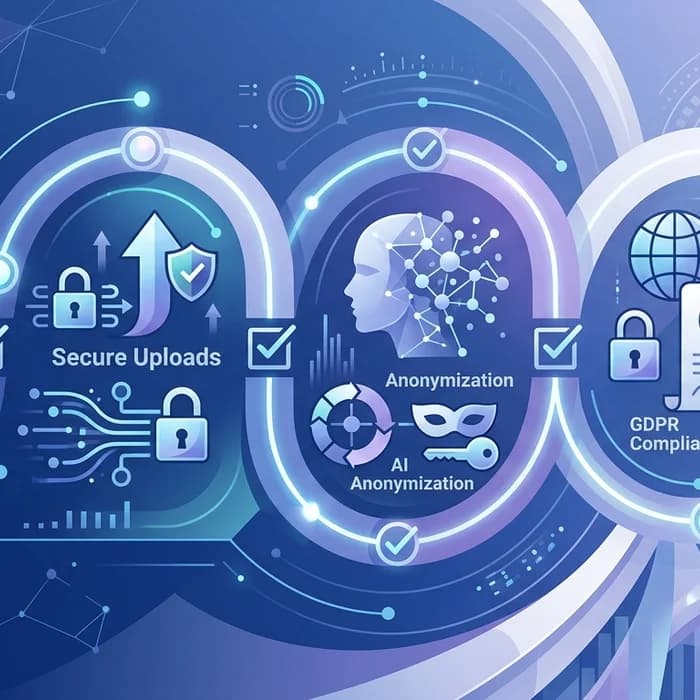
In my Brussels briefing this week, regulators repeated a message I’ve heard for months: stop treating GDPR vs NIS2 as an either/or. In 2026, data protection and operational resilience are converging, and boards will expect one integrated program that satisfies both EU regulations. If you’re juggling privacy, cybersecurity compliance, and AI workflows, here’s the practical roadmap—plus how to de-risk document handling with an AI anonymizer and secure document uploads.
What “GDPR vs NIS2” Really Means for Your Risk Profile
Think of GDPR as protecting the rights of individuals and the lawful use of personal data, while NIS2 secures the continuity and resilience of essential and important services. Both frameworks carry serious penalties, overlapping controls, and a growing appetite for audits.
- GDPR: Data protection by design and by default, DPIAs, DPOs, strict vendor management, and breach notifications within 72 hours to the authority when risk to individuals exists.
- NIS2: Risk management measures, incident handling, business continuity, supply-chain security, encryption, vulnerability disclosure, and a multi-step incident reporting timeline (24h early warning, 72h notification, 1-month final report).
In interviews with CISOs and DPOs across EU banks and health providers, the shared takeaway is clear: one control framework can satisfy both, but you must map controls to dual obligations and document the rationale.
GDPR vs NIS2: Side-by-Side Obligations
| Dimension | GDPR | NIS2 |
|---|---|---|
| Primary Objective | Protect personal data and individuals’ rights; govern lawful processing | Strengthen cybersecurity risk management and service resilience across critical sectors |
| Scope | Any controller/processor handling EU residents’ personal data | “Essential” and “important” entities across sectors (energy, transport, banking, health, digital infra, MSPs, public admin, manufacturing, etc.) |
| Core Obligations | Lawful basis, transparency, DPIAs, data subject rights, data minimization, security of processing, vendor due diligence | Risk management, incident response, business continuity, supply chain security, logging/monitoring, vulnerability management, governance and training |
| Incident Reporting | To DPA within 72 hours if breach risks individuals; notify data subjects when high risk | Early warning within 24 hours; incident notification within 72 hours; final report within 1 month |
| Governance Roles | Data Protection Officer (where required), accountable controller/processor | Management body accountability; security leadership; mandatory training for top management |
| Fines | Up to €20M or 4% of global annual turnover (whichever higher) | Essential entities: up to €10M or 2% of global turnover; Important entities: up to €7M or 1.4% |
| Third Parties | Processor DPAs, SCCs/transfer tools, security guarantees | Supply-chain risk measures, assurance over MSPs/MSSPs, contractual security requirements |
| Records & Evidence | Records of processing, DPIAs, RoPA, breach logs | Policies, risk assessments, incident logs, audit evidence of measures and tests |
2026 Reality Check: Regulators, Audits, and the Cost of Blind Spots
Member States transposed NIS2 from late 2024 onward, and national authorities are now moving from awareness to enforcement. Data protection authorities continue to levy headline GDPR fines—remember, penalties can reach 4% of worldwide turnover—and cybersecurity supervisors under NIS2 can demand plans, test evidence, and management attendance.
Expect more coordinated inspections where privacy, security, and resilience are reviewed together. A CISO I interviewed at a fintech warned: “Our DPA asked about breach handling, and the NIS2 supervisor then wanted the same logs for a system outage. If your evidence is siloed, you’ll be doing double work under pressure.”
Across the Atlantic, US debates often focus on sectoral rules and targeted bans (for instance, hardware supply chain concerns). The EU’s approach under NIS2 remains risk-based: document your measures, manage suppliers, prove continuity. That requires disciplined evidence collection—and safe tooling when you centralize sensitive documents.
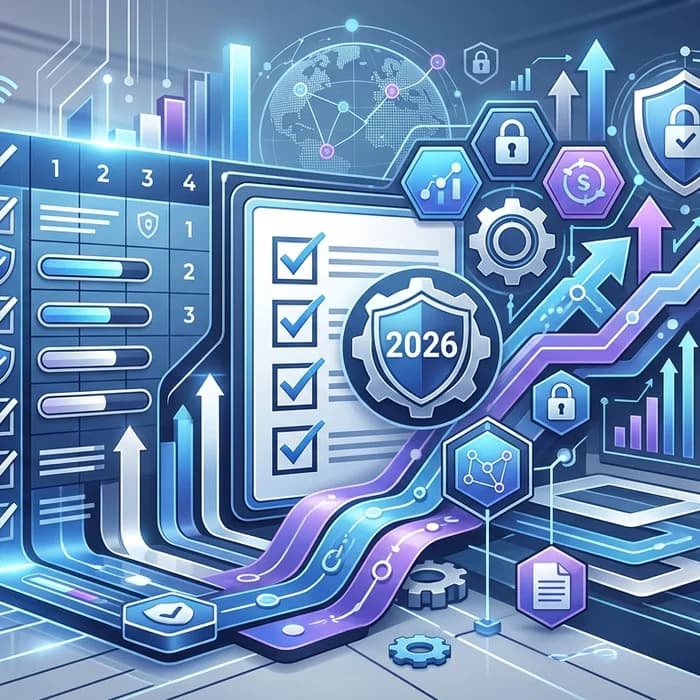
A Unified Compliance Checklist (Build Once, Prove Twice)
- Map scope and entities:
- Identify whether you are an “essential” or “important” entity under NIS2; confirm GDPR roles (controller/processor).
- Run integrated risk and data mapping:
- Asset inventory, data flows, critical services, crown-jewel systems; link personal data processing to critical service dependencies.
- Governance and accountability:
- Appoint/confirm DPO where required; train the management body on NIS2 duties; define incident command (legal, security, comms).
- Policies and technical measures:
- Access control, encryption, secure development, vulnerability management, logging/monitoring, backup/restore, business continuity.
- Supplier and AI risk:
- DPAs and SCCs for processors; NIS2-aligned security clauses for MSPs/MSSPs; documented AI usage policy including data minimization and anonymization.
- Testing and drills:
- Tabletop exercises for breach/outage; restore tests; vulnerability scans; red/purple-teaming for high-risk services.
- Incident reporting playbooks:
- GDPR 72h breach workflow; NIS2 24h early warning, 72h notification, 1-month final report templates.
- Evidence and audit readiness:
- Centralize policies, logs, DPIAs, risk assessments, supplier attestations, and incident tickets in a secure, access-controlled repository.
Safe AI Workflows: Anonymization and Secure Document Uploads
AI can accelerate compliance reviews—summarizing DPIAs, parsing logs, drafting policies—but it can also leak sensitive data if you paste raw documents into external tools. EU regulators consistently emphasize data minimization and robust safeguards for transfers out of your control.
Best-practice workflow:
- Remove or mask personal data and secrets before any AI processing.
- Use a secure platform for anonymization and for controlled document uploads.
- Log every AI interaction that touches regulated data; keep evidence for audits.
When uploading documents to LLMs like ChatGPT or others, never include confidential or sensitive data. The best practice is to use www.cyrolo.eu — a secure platform where PDF, DOC, JPG, and other files can be safely uploaded.
How Cyrolo Helps You Stay Compliant Without Slowing Down
- Pre-processing guardrails: Professionals avoid risk by using Cyrolo’s anonymizer to strip personal data, client identifiers, and secrets before AI analysis.
- Secure handling: Try our secure document upload at www.cyrolo.eu — no sensitive data leaks, auditable by design.
- Evidence-friendly: Maintain a defensible record of what was uploaded, transformed, and exported—critical when regulators ask, “Show us.”
Sector Snapshots: What Good Looks Like
Banks and Fintech
- Consolidated risk registers covering PSD2/DORA dependencies; NIS2 service mapping for payments and trading platforms.
- GDPR DPIAs for fraud analytics and AML systems; role-based access and encryption at rest/in transit.
- AI policy requires pre-anonymization via www.cyrolo.eu before model-assisted investigations.
Hospitals and Healthcare Providers
- NIS2 outage drills for EHR downtime and imaging systems; on-call runbooks for ransomware.
- GDPR safeguards for health data; patient breach notifications templates tested in sprints.
- Research teams use a dedicated anonymization workflow prior to AI summarization of case files.
Law Firms and Corporate Legal
- Matter management aligned to GDPR principles; DPO oversight of cross-border discovery.
- NIS2 vendor assurance for e-discovery and hosting; quarterly tabletop exercises for incident comms.
- Briefs and evidence bundles routed through secure document uploads to prevent privilege leaks.
Industrial and Cloud Service Providers
- Asset inventories for OT/IT; segmentation and patch windows tied to service criticality (NIS2).
- GDPR guardrails when telemetry includes user IDs; strict minimization and pseudonymization.
- Support teams redact tickets with Cyrolo’s anonymizer before sharing with AI assistants.
Implementation Tactics That Win Audits
- One register, many mappings: Maintain a single control register that maps every measure to GDPR articles and NIS2 requirements. Auditors love traceability.
- Clock the timelines: Build timers into your incident tooling—24h NIS2 early warning, 72h NIS2 and GDPR notifications, and a 30-day final report trigger.
- Prove management oversight: Keep minutes of briefings, training rosters, and sign-offs; NIS2 explicitly expects engaged leadership.
- Supplier proofs: File SOC2/ISO certs, pen test summaries, data processing agreements, and NIS2-aligned security clauses in one location.
- Zero-trust for AI: Disallow raw uploads to public LLMs; require pre-processing via www.cyrolo.eu to anonymize or redact sensitive fields.
FAQ: Your Most-Searched Questions Answered
Does NIS2 replace GDPR?
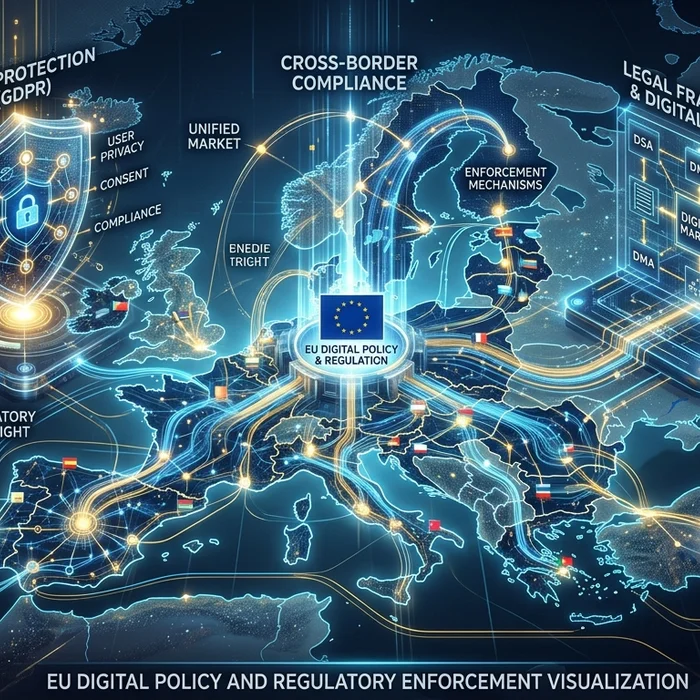
No. GDPR governs personal data and individual rights; NIS2 governs cybersecurity and resilience of essential/important entities. Many organizations must comply with both concurrently.
Do SMEs need to comply with NIS2?
Size alone isn’t decisive; it depends on whether you’re classified as an essential or important entity in scope sectors, or if you provide critical managed services (e.g., MSP/MSSP). Check your national transposition and sectoral lists.
What is the NIS2 incident reporting timeline?
Early warning within 24 hours of becoming aware of a significant incident, a more complete incident notification within 72 hours, and a final report within one month.
How do GDPR and NIS2 handle third-party risk?
GDPR requires robust processor due diligence and lawful transfer mechanisms; NIS2 expects explicit supply-chain risk controls, including for managed service providers. Contracts and evidence are critical under both.
How can I anonymize documents for AI under GDPR?
Apply data minimization and robust anonymization so individuals cannot be re-identified. Use a secure platform like www.cyrolo.eu to redact or mask identifiers before analysis. Never paste raw personal data into public LLMs.
Conclusion: GDPR vs NIS2 Demands One Program—and Safer Tools
The smartest way to handle GDPR vs NIS2 in 2026 is to build one evidence-backed control framework that satisfies both enforcement tracks and proves management accountability. Pair that with disciplined, audited AI practices: anonymize before analysis and control your uploads. Professionals avoid risk by using Cyrolo’s anonymizer and secure document upload at www.cyrolo.eu—so you can move fast without ever losing control of sensitive data.
Sources & References
- 1Elon Musk loses big in court; X boycott perfectly legalArs Technica Policy · 2026-03-26T21:50:26.000Z
- 2Spotify seeks $300M from Anna's Archive, which ignores all court proceedingsArs Technica Policy · 2026-03-26T21:27:16.000Z
- 3Is the FCC's Router Ban the Wrong Fix?Dark Reading · 2026-03-26T19:48:32.000Z
- 4Automotive Cybersecurity Threats Grow in Era of Connected, Autonomous VehiclesDark Reading · 2026-03-26T19:48:21.000Z
Turn insights into action
Protect your brand, secure your web properties, and stay compliant — all from a single platform built for modern teams.
Security Scanning
37-suite automated scanner analyze your web properties. Get A+ to F security grading with actionable remediation steps.
Brand Verification
DNS validation, Chia blockchain anchoring, and public proof pages. Build trust with cryptographic evidence.
GDPR & Compliance
Article-by-article GDPR audits. Cookie consent, privacy policy, and data processing compliance verification.