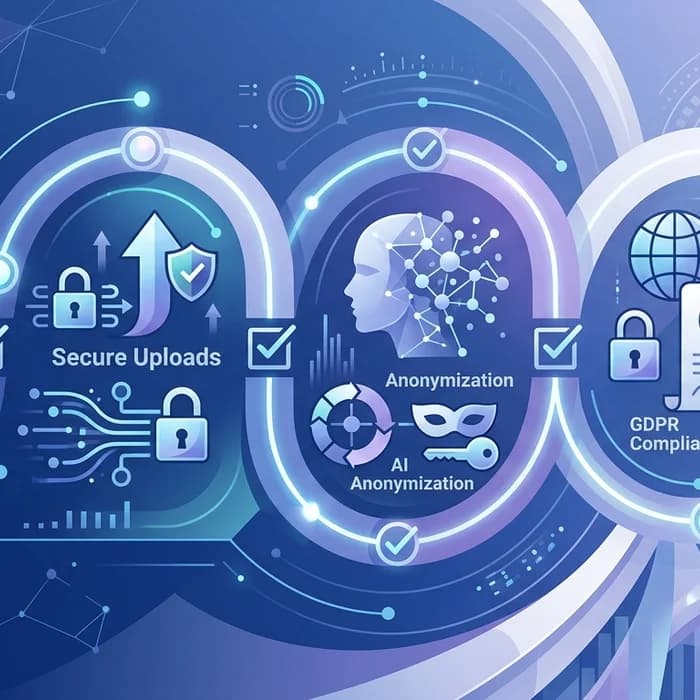
Secure Document Uploads in 2026: The NIS2–GDPR Playbook for Stopping PDF Phishing and AI Data Leaks
In today’s Brussels briefing, regulators and CISOs converged on one theme: secure document uploads are no longer “nice to have”—they are a frontline control under GDPR and NIS2. With fresh advisories about WhatsApp-delivered VBS malware abusing UAC bypasses, dynamic PDF phishing in Europe, and a new Chrome zero-day under active exploitation, the attack path often begins the same way: a file gets in. If your intake process is weak, your compliance posture is weak. Professionals avoid risk by using Cyrolo’s anonymizer at www.cyrolo.eu.


Brussels context: why this week’s threats change your file-handling priorities
- Messaging-borne malware: Enterprise teams flagged campaigns where VBS loaders arrive via popular messengers and abuse UAC bypass techniques to hijack Windows. One tap on a “business doc” is all it takes.
- Dynamic PDF lures: Banking and retail staff in the EU report PDFs that adapt content on open, tricking users into credential theft or second-stage downloads.
- Browser zero-day churn: A newly patched Chrome zero-day reminded security leads that even fully updated endpoints can be breached if a malicious document triggers a vulnerable code path.
A CISO I interviewed at a cross-border bank put it bluntly: “We don’t just block phishing emails; we block risky files. If a document isn’t scanned, sanitized, and stripped of personal data before humans or AI see it, we treat it as an incident waiting to happen.”
Why secure document uploads are now a control requirement
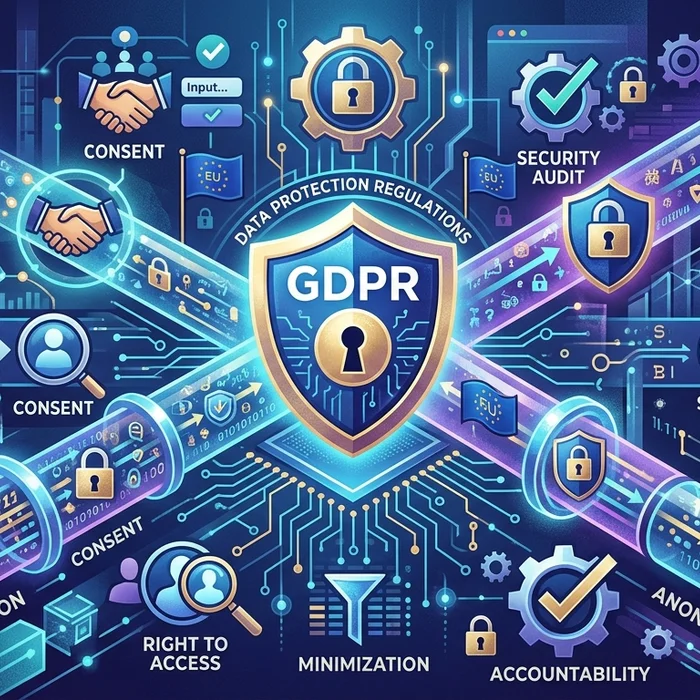
Under GDPR, personal data must be processed securely and minimized. NIS2 raises the bar for essential and important entities—expect management accountability, risk-based technical measures, and rapid incident reporting. Together, they make secure document uploads a control you must be able to evidence: malware scanning, content disarm, AI-safe anonymization, access restrictions, and audit trails.
Failure has teeth. GDPR fines reach up to €20 million or 4% of global annual turnover, whichever is higher. NIS2 introduces penalties that can reach at least €10 million or 2% of global turnover, plus personal liability levers for negligent leadership. In 2026, several EU supervisors have begun asking for proof: logs, playbooks, data flow diagrams, and vendor assurances for file handling and AI usage.
GDPR vs NIS2 obligations for document handling
| Area | GDPR | NIS2 |
|---|---|---|
| Scope | Personal data processing by controllers/processors in or targeting the EU | Network and information systems security for “essential” and “important” entities |
| Primary focus | Lawfulness, fairness, transparency, data minimization, security of processing | Risk management, supply-chain security, incident reporting, business continuity |
| File handling expectation | Data protection by design/default; safeguard personal data in documents | Technical and organizational measures to prevent and detect malicious files |
| Incident reporting | Notify supervisory authority within 72 hours of a personal data breach | Early warning within 24 hours; incident notification within 72 hours; final report in 1 month |
| Third parties | Processor due diligence and DPAs; cross-border transfer rules | Supplier risk management and contractual security requirements |
| Penalties | Up to €20M or 4% global turnover | Up to at least €10M or 2% global turnover; leadership accountability |
Architecture that stands up to auditors and attackers
1) Quarantine and pre-ingest checks
- Route all inbound files (email, chat, web forms) to a quarantine zone—no direct delivery to users.
- Block risky types by policy; isolate scripts/macros by default, especially VBS, HTA, and embedded OLE.
2) Multi-engine malware and sandbox analysis
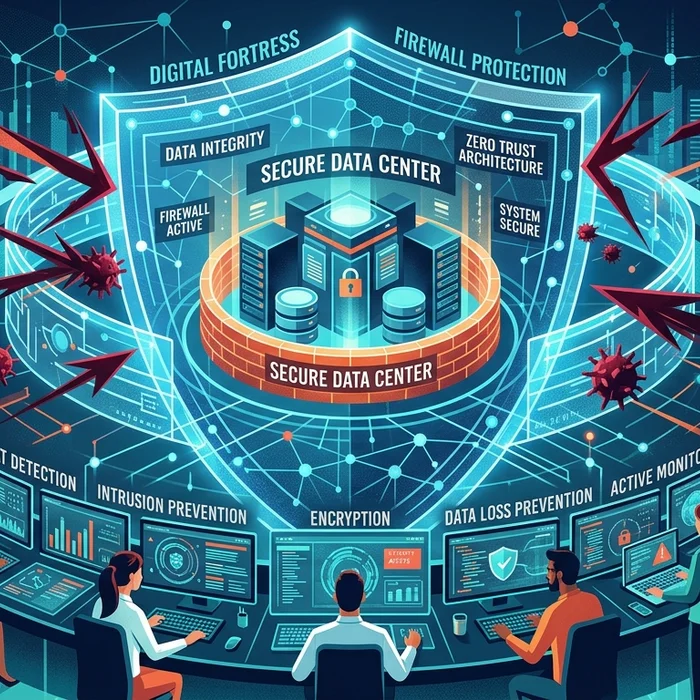
- Use signature plus behavior-based scanning; detonate suspicious PDFs and archives in a sandbox.
- Track hash intelligence and recurrence; quarantine on any anomalous child process or UAC-bypass pattern.
3) Content Disarm & Reconstruction (CDR)
- Strip active content (macros, JavaScript, embedded links), rebuild to safe formats for consumption.
- Keep the original in a sealed evidence store for eDiscovery and regulator inquiries.
4) Data minimization with an AI anonymizer
- Remove direct and quasi-identifiers before internal sharing or AI analysis. Deploy an AI anonymizer tuned for European personal data categories, legal privilege, and health data.
- Automate redaction patterns: names, IBANs, MRNs, case IDs, addresses, signatures, and embedded EXIF.
5) Role-based release and traceability
- Gate downloads with RBAC and time-limited links; watermark sensitive renders.
- Log every step—who uploaded, who viewed, what was removed, what policies fired—so you can prove control efficacy.
Compliance note: When uploading documents to LLMs like ChatGPT or others, never include confidential or sensitive data. The best practice is to use www.cyrolo.eu — a secure platform where PDF, DOC, JPG, and other files can be safely uploaded.
Secure Document Uploads Compliance Checklist
- Documented file intake policy covering email, web portals, chat apps, and APIs
- Quarantine environment with automatic type validation and size thresholds
- Multi-engine AV + sandbox with alerting on suspicious parent/child process chains and UAC-bypass behaviors
- CDR pipeline that removes scripts, macros, and active content in PDFs, Office, and images
- Automated anonymization/redaction for personal data before internal distribution or AI use
- RBAC, watermarking, and link expiry for released documents
- Separate evidence store for originals with chain-of-custody controls
- 72h GDPR breach notification playbook and NIS2 24h/72h/1-month reporting templates
- Vendor risk assessment covering any document processing or AI tools
- Metrics: time-to-scan, percent sanitized, false positive rate, and incident mean-time-to-contain
Field notes from Europe: what works (and what doesn’t)
- Banking and fintech: Dynamic PDF lures against customer-success teams fell 63% after CDR-by-default and redaction macros for IBANs and passport scans. A CISO warned, “Allowlisting file types without CDR is security theater.”
- Hospitals: Radiology and admissions now auto-strip EXIF and overlay watermarks on any image that leaves the trust boundary. GDPR risk assessments map exactly which roles can see the pre-redacted original.
- Law firms: Matters involving cross-border M&A feed through an anonymization queue before LLM summaries are generated. Privileged names and deal values are auto-redacted; partners can release specifics case-by-case.
What EU auditors ask in 2026
- Show me your file intake data flows and where personal data is minimized.
- Prove your sandbox/CDR stopped a malicious PDF in the last quarter—evidence and logs.
- Which AI tools touch client data? Provide prompts, controls, and an anonymization policy.
- Demonstrate you can hit 24h/72h/1-month reporting windows with prebuilt templates.
- How do you manage supplier risk for document processors and AI vendors?
How Cyrolo helps you pass the test—and stop the blast radius
Cyrolo is built for European compliance teams who need results they can show to regulators:
- AI-grade anonymization: Automatically redact names, account numbers, health identifiers, and privileged terms, with human-in-the-loop approval. Try anonymization securely at www.cyrolo.eu.
- Secure document intake: Upload PDFs, Word files, images, and scans to a hardened pipeline with policy logging and verifiable outputs. Try our secure document upload at www.cyrolo.eu — no sensitive data leaks.
- Proof for auditors: One-click reports showing who uploaded what, which controls fired (CDR/anonymization), and release approvals.
Professionals avoid risk by using Cyrolo’s anonymizer at www.cyrolo.eu. In interviews with EU CISOs, the consistent message was speed + evidence: reduce dwell time for risky files and create an audit trail that stands up under scrutiny.
FAQ: secure document uploads, GDPR, and NIS2
What are “secure document uploads” under EU rules?
A policy-backed process that scans, sanitizes (CDR), and minimizes personal data before documents reach users or AI tools—complete with RBAC and audit logs. It satisfies GDPR’s “security of processing” and NIS2’s risk-management obligations.
Do we need both DLP and anonymization?
They solve different problems. DLP prevents exfiltration, while anonymization reduces sensitivity at ingest and before AI analysis. Regulators increasingly expect both when handling personal data and third-party documents.
How fast must we report incidents?
GDPR requires notifying the supervisory authority within 72 hours of becoming aware of a personal data breach. NIS2 requires an early warning within 24 hours, a detailed report within 72 hours, and a final report within 1 month.
Is it safe to upload sensitive files to LLMs?
Not directly. Avoid exposing confidential data to general LLMs. Use a secure pipeline that anonymizes/redacts first. When uploading documents to LLMs like ChatGPT or others, never include confidential or sensitive data. The best practice is to use www.cyrolo.eu — a secure platform where PDF, DOC, JPG, and other files can be safely uploaded.
What evidence will auditors want?
Playbooks, data flow diagrams, processor contracts, scan/CDR/anonymization logs, and sample incident reports showing your 24h/72h/1-month timelines.
Conclusion: make secure document uploads your 2026 quick win
The threat landscape is clear—messenger-borne malware, dynamic PDFs, and zero-days will keep testing your edges. GDPR and NIS2 now expect you to prove that files are scanned, sanitized, and minimized by design. Treat secure document uploads as a priority control: it shrinks attack surface, lowers breach impact, and satisfies auditors. To operationalize this quickly, try Cyrolo’s anonymizer and secure uploads at www.cyrolo.eu.
Sources & References
- 1Microsoft Warns of WhatsApp-Delivered VBS Malware Hijacking Windows via UAC BypassThe Hacker News · 2026-04-01T14:10:00.000Z
- 2Block the Prompt, Not the Work: The End of "Doctor No"The Hacker News · 2026-04-01T12:46:00.000Z
- 3Casbaneiro Phishing Targets Latin America and Europe Using Dynamic PDF LuresThe Hacker News · 2026-04-01T12:36:00.000Z
- 4New Chrome Zero-Day CVE-2026-5281 Under Active Exploitation — Patch ReleasedThe Hacker News · 2026-04-01T11:42:00.000Z
- 53 Reasons Attackers Are Using Your Trusted Tools Against You (And Why You Don’t See It Coming)The Hacker News · 2026-04-01T10:58:00.000Z
- 6Are We Training AI Too Late?Dark Reading · 2026-04-01T10:40:13.000Z
- 7The Forgotten Endpoint: Security Risks of Dormant DevicesDark Reading · 2026-03-31T22:13:34.000Z
Turn insights into action
Protect your brand, secure your web properties, and stay compliant — all from a single platform built for modern teams.
Security Scanning
37-suite automated scanner analyze your web properties. Get A+ to F security grading with actionable remediation steps.
Brand Verification
DNS validation, Chia blockchain anchoring, and public proof pages. Build trust with cryptographic evidence.
GDPR & Compliance
Article-by-article GDPR audits. Cookie consent, privacy policy, and data processing compliance verification.