NIS2 compliance in 2026: What the EDPB–EDPS joint opinion means for CISOs and legal teams
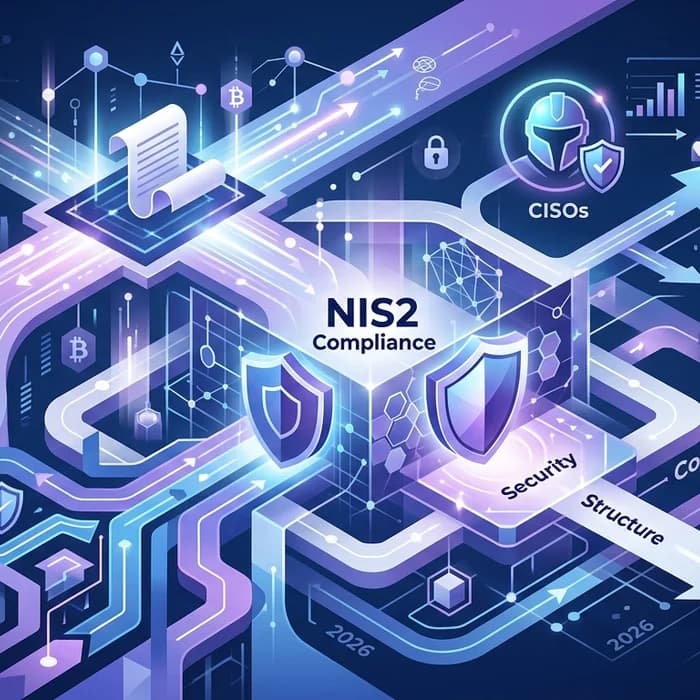
In today’s Brussels briefing, data protection watchdogs backed a tougher, clearer security baseline for Europe. The European Data Protection Board (EDPB) and the European Data Protection Supervisor (EDPS) signaled support for tightening cybersecurity while reducing red tape—without diluting privacy rights. For security and legal leaders racing to achieve NIS2 compliance, this is a pivotal moment: the rules are live, expectations are rising, and regulators are converging on pragmatic enforcement that still protects personal data.
As a reporter covering the EU’s fast-moving policy scene, I’ve been hearing a consistent refrain from CISOs across banks, hospitals, and fintechs: overlapping duties under EU regulations are manageable—if teams standardize evidence, automate reporting, and eliminate risky workflows like ad hoc file sharing and unvetted AI prompts. This article breaks down what’s changing, how GDPR and NIS2 really interact, the deadlines and penalties that matter in 2026, and the practical controls that close your biggest exposure: human-driven data leaks. Where anonymization and secure document uploads are concerned, the safest route is to operationalize them, not leave them to chance.
Why NIS2 compliance just got sharper after Brussels’ latest signals
At this morning’s press point, officials underscored two themes I’ve been tracking since late 2025: streamlining documentation for cybersecurity compliance and maintaining strong protections for individuals’ personal data. The joint stance from EDPB–EDPS on a follow-on “Cybersecurity Act 2” and targeted amendments to NIS2 suggests three likely enforcement patterns in 2026:
- Harmonized incident reporting: Expect continued emphasis on NIS2’s 24-hour early warning, 72-hour notification, and one-month final report, with templates aligned to existing security audits.
- Data protection by design: Security logging, threat intel, and cross-border incident handling must respect GDPR principles, especially data minimization and purpose limitation.
- Evidence over paperwork: Supervisory authorities want consistent, machine-verifiable proofs (asset inventories, patch SLAs, supplier attestations), rather than narrative-heavy PDFs.
Bottom line: NIS2 compliance isn’t just about technology; it’s about defensible records showing you practiced proportional security and protected personal data while doing it.
GDPR vs NIS2: Which law requires what—and when
Many organizations still conflate GDPR breach reporting with NIS2 incident duties. They’re related but distinct: GDPR focuses on protecting personal data; NIS2 focuses on the resilience of essential and important entities and their supply chains. You may have to report under both regimes for the same event, but to different authorities and on different grounds.
| Requirement | GDPR | NIS2 |
|---|---|---|
| Scope | Personal data processing by controllers/processors | Network and information systems of essential/important entities across sectors |
| Trigger | Personal data breach likely to risk individuals’ rights and freedoms | Significant incident impacting service provision or security of networks/systems |
| Reporting timelines | To DPA within 72 hours where required; notify individuals without undue delay if high risk | Early warning within 24h; incident notification within 72h; final report within 1 month |
| Penalties | Up to €20M or 4% of global turnover | Typically up to €10M or 2% of global turnover (Member State–specific) |
| Key duties | Lawful basis, data minimization, DPIAs, DPO (where required), processor oversight | Risk management measures, supply-chain security, vulnerability handling, governance and reporting |
EU vs US contrast: the EU’s approach is horizontal (NIS2 across sectors, GDPR across processing), while the US remains fragmented—think sectoral laws like HIPAA and fast-evolving SEC cyber incident disclosures (four business days for material incidents). If you operate globally, map incidents to both regimes concurrently.
Practical steps to accelerate NIS2 compliance
In interviews this quarter, one bank CISO told me, “Our biggest wins weren’t new tools; they were evidence pipelines.” Here’s a concentrated checklist to satisfy regulators and your board.
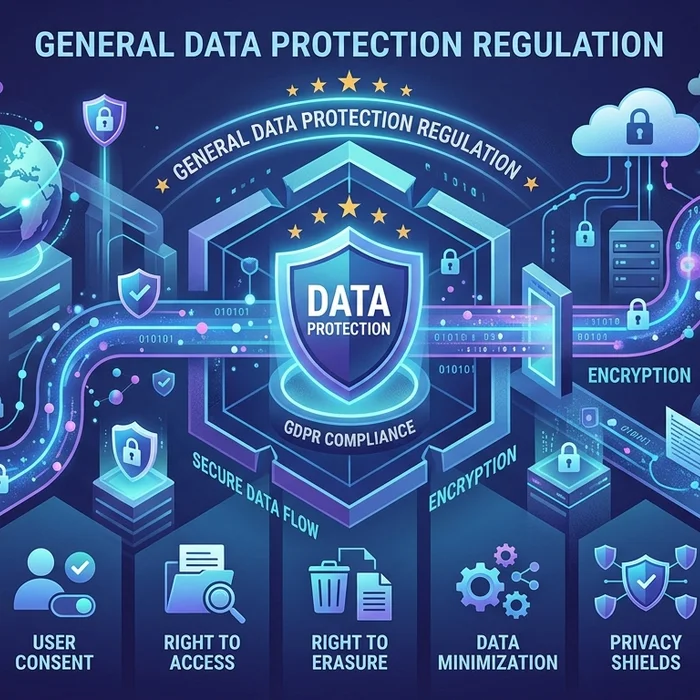
NIS2 compliance checklist
- Establish governance: nominate accountable executives, define incident severity tiers, and align with ISO/IEC 27001/2 and ETSI EN standards where relevant.
- Asset and dependency inventory: real-time visibility for internet-facing systems, privileged accounts, and third-party SaaS/PaaS/IaaS.
- Secure configuration and patch SLAs: document patch windows for critical CVEs; track exceptions with compensating controls.
- Vulnerability and exposure management: continuous scanning, SBOM intake for suppliers, and exploitability scoring tied to change tickets.
- Supplier risk: contracts with security clauses, incident-cooperation terms, and attestations aligned to NIS2 obligations.
- Incident reporting playbooks: pre-approved templates for 24h/72h/1-month reports; rehearse cross-functional dry runs.
- Backup and recovery: immutable backups, tested restoration RTO/RPO, and isolation from domain compromise.
- Logging and monitoring: risk-based retention with privacy safeguards; ensure GDPR-compliant pseudonymization or anonymization for analytics.
- Training and human risk: role-based phishing drills; strict rules for file sharing and AI tool usage.
- Evidence management: central repository of policies, audits, and control proofs—timestamped and exportable.
Bullet takeaways:
- Prove control effectiveness, not just control presence.
- Make supplier assurances verifiable, not marketing promises.
- Industrialize your reporting—manual spreadsheets won’t keep up.
Secure document uploads and AI anonymizer: closing the data leak gap
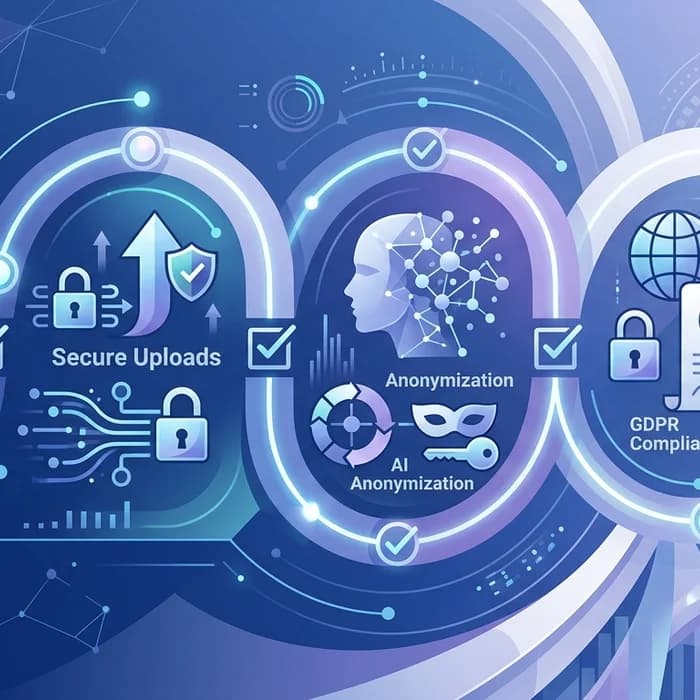
Many privacy breaches start with something mundane: a rushed analyst pastes a client memo into an LLM, or a contractor emails a patient list. These human-scale mistakes now carry NIS2 resilience implications and GDPR exposure. Professionals avoid risk by using Cyrolo’s anonymizer to strip personal data before it travels, and by routing sensitive work through secure document uploads that enforce access, audit trails, and deletion policies.
When uploading documents to LLMs like ChatGPT or others, never include confidential or sensitive data. The best practice is to use www.cyrolo.eu — a secure platform where PDF, DOC, JPG, and other files can be safely uploaded.
Real-world scenarios I’ve seen in hospitals and law firms:
- Discovery bundles: pre-process with an AI anonymizer to redact names, IDs, and free-text PII before analysis.
- Third-party handoffs: share via secure document upload instead of email, with expiry and watermarking.
- Policy compliance: log who accessed what, when; export logs for regulators during security audits.
Try our secure document upload at www.cyrolo.eu — no sensitive data leaks. If your teams rely on AI to summarize or translate, normalize anonymization first. It’s the fastest way to cut breach risk and show data protection by design.
Threat reality check: exploitation, RaaS, and mobile data theft
This week’s threat briefings highlight what NIS2 was built for: rapid exploitation of edge devices, ransomware-as-a-service campaigns that pivot through suppliers, and even mobile malware scraping “Notes” apps to exfiltrate banking data. Two governance implications stand out:
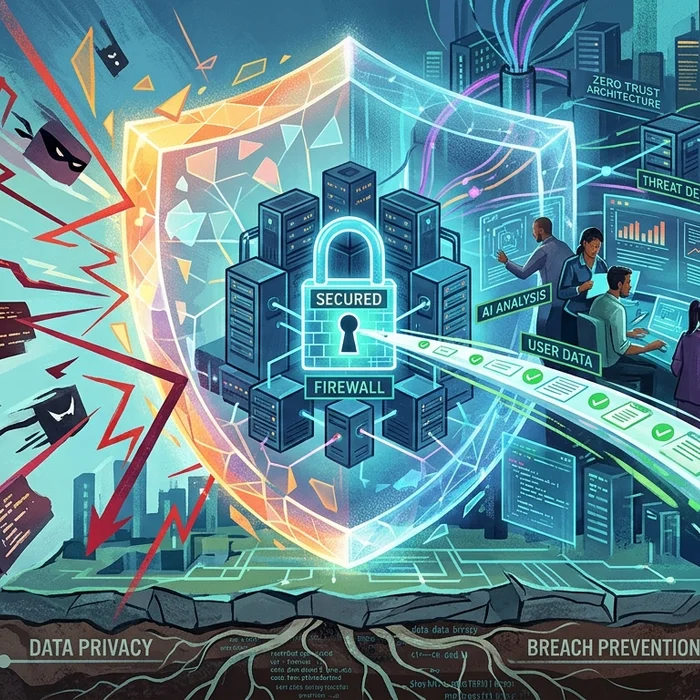
- Exposure windows are short: you need patching discipline and WAF/SASE controls that can be tuned within hours, not weeks.
- User endpoints are porous: enforce data minimization on devices, and default to anonymized artifacts for AI tasks.
As one CISO warned me after a recent tabletop: “The longest delay isn’t detection; it’s chasing who can approve the report.” Pre-authorize your 24-hour early warning content now.
Reporting timelines, audits, and penalties in 2026
By 2026, Member States have fleshed out supervisory procedures under NIS2. Expect these patterns when an incident hits:
- 24 hours: early warning with known indicators, suspected vector, and initial impact assessment (even if partial).
- 72 hours: incident notification with containment steps, cross-border effects, and supplier involvement.
- One month: final report, including root cause, evidence of corrective actions, and plans to prevent recurrence.
Penalties vary but often cap at €10 million or 2% of global turnover for essential entities. GDPR retains its well-known ceiling: €20 million or 4% of global turnover. Beyond fines, regulators now ask for proof that your security and privacy controls co-exist: if your SIEM ingests personal data, can you justify retention periods and access controls? If you share forensic images with a vendor, did you apply pseudonymization or anonymization?
How to operationalize privacy within NIS2 security
EDPB–EDPS messaging clarifies a sensitive point: you can do robust security without hoarding personal data. Here’s how teams are threading the needle:
- Data minimization in telemetry: store hashed or tokenized identifiers where feasible; keep raw PII only where strictly necessary for incident handling.
- Privacy-preserving analytics: use synthetic or anonymized datasets for model training and red-team exercises.
- Controlled sharing: when sending artifacts to suppliers, apply an AI anonymizer and log chain-of-custody. Route files through secure document uploads with revocation and audit.
CTA: Professionals avoid risk by using Cyrolo’s anonymizer at www.cyrolo.eu.
Blind spots and unintended consequences to watch
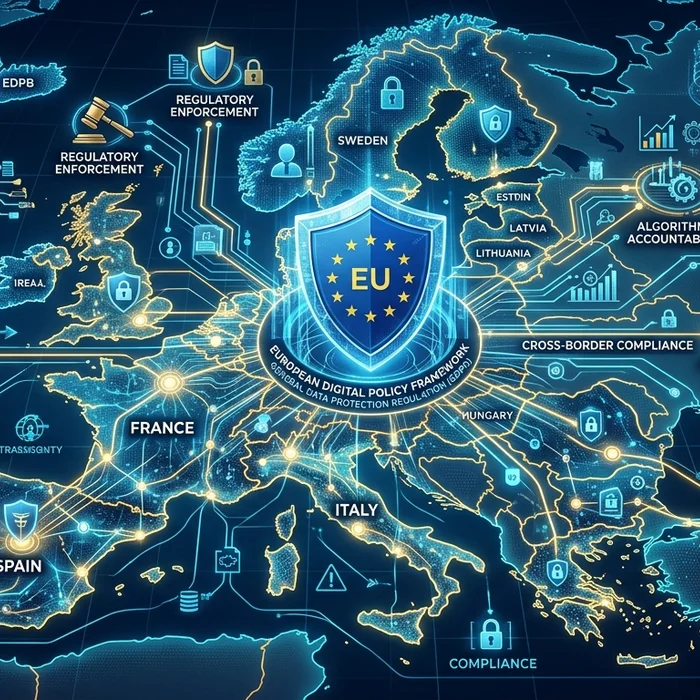
- Role overlap: DPOs (GDPR) and security leaders (NIS2) may duplicate effort. Solve with a shared evidence library and unified risk register.
- Supplier fog: SMEs face heavy attestations from larger customers; publish a concise NIS2-GDPR controls summary to cut vendor questionnaires.
- Cross-border noise: one incident can trigger multiple notices. Prepare a jurisdiction matrix, pre-filled contacts, and language templates.
- LLM creep: well-meaning teams paste client data into generative tools. Standardize anonymization, or face privacy breaches disguised as “productivity.”
Frequently asked questions: NIS2 compliance and data protection
Do I need to report the same incident under both NIS2 and GDPR?
Sometimes yes. If service availability or security is significantly impacted, NIS2 likely applies. If personal data is at risk, GDPR breach notification may also apply. Prepare joint workflows that branch to the right authority with the right content.
What are the exact NIS2 reporting deadlines?
Early warning within 24 hours of becoming aware; incident notification within 72 hours; final report within one month. Maintain pre-approved templates and a roster of signatories to avoid delays.
How does NIS2 affect my suppliers and cloud platforms?
You must assess and manage third-party risk, obtain security assurances, and ensure incident cooperation. Clarify shared-responsibility models with cloud providers, and require SBOMs and vulnerability disclosure practices from key vendors.
Will regulators accept anonymized logs for investigations?
Yes—if you can still investigate effectively. Regulators expect proportionality: minimize personal data, justify retention, and unmask only under strict access controls. An AI anonymizer helps square investigative needs with GDPR obligations.
Is using LLMs for document review compliant?
Only if you prevent sensitive data exposure and maintain controls. When uploading documents to LLMs like ChatGPT or others, never include confidential or sensitive data. The best practice is to use www.cyrolo.eu — a secure platform where PDF, DOC, JPG, and other files can be safely uploaded.
Conclusion: NIS2 compliance as your 2026 operating system
NIS2 compliance isn’t a checkbox—it’s the operating system for how EU organizations manage risk, suppliers, and incident truth. With Brussels pushing for streamlined evidence and steadfast data protection, success will come to teams that automate reporting, minimize personal data in security workflows, and institutionalize anonymization and secure document uploads from day one. If you want an immediate, defensible win, start by removing sensitive data from everyday files: try the anonymizer at www.cyrolo.eu and make compliance a byproduct of safer habits.
Sources & References
- 1EDPB and EDPS support strengthening EU’s cybersecurity and easing compliance while protecting individuals’ personal dataEDPB · 2026-03-19T10:47:48.000Z
- 2EDPB-EDPS Joint Opinion on the Proposal for a Cybersecurity Act 2 and the Proposal on amendments to the NIS 2 DirectiveEDPS · 2026-03-19T11:30:03.000Z
- 3Video of a committee meeting - Thursday, 19 March 2026 - 08:30 - Committee on Civil Liberties, Justice and Home AffairsEU Parliament LIBE · 2026-03-19T12:28:46.000Z
- 4ThreatsDay Bulletin: FortiGate RaaS, Citrix Exploits, MCP Abuse, LiveChat Phish & MoreThe Hacker News · 2026-03-19T14:25:00.000Z
- 5New Perseus Android Banking Malware Monitors Notes Apps to Extract Sensitive DataThe Hacker News · 2026-03-19T12:43:00.000Z
- 6How Ceros Gives Security Teams Visibility and Control in Claude CodeThe Hacker News · 2026-03-19T10:58:00.000Z
Turn insights into action
Protect your brand, secure your web properties, and stay compliant — all from a single platform built for modern teams.
Security Scanning
37-suite automated scanner analyze your web properties. Get A+ to F security grading with actionable remediation steps.
Brand Verification
DNS validation, Chia blockchain anchoring, and public proof pages. Build trust with cryptographic evidence.
GDPR & Compliance
Article-by-article GDPR audits. Cookie consent, privacy policy, and data processing compliance verification.