NIS2 compliance in 2026: Your practical EU playbook from Brussels
In today’s Brussels briefing, regulators hammered home a familiar theme: cyber incidents are getting faster, messier, and more cross‑border—while boards are running out of excuses. If your organization touches Europe’s essential services or digital infrastructure, NIS2 compliance is no longer a “project”; it’s your operating model for 2026. From 24-hour early warnings to board liability and supply‑chain controls, the bar has been raised—and the enforcement mood is tightening.
Against that backdrop, teams are also reaching for AI to speed investigations and documentation. That’s a double-edged sword: one privacy breach, one misrouted file upload, and you’re explaining it to regulators. I’ll unpack how to meet NIS2, where it intersects with GDPR, and the exact steps to de‑risk your workflows—including safe anonymization and secure document upload options that keep personal data out of harm’s way.
What NIS2 compliance means in 2026
As of 2026, Member States have transposed the EU NIS2 Directive into national law and are actively supervising a much broader set of sectors. “Essential entities” (e.g., energy, transport, banking, healthcare) and “important entities” (e.g., digital providers, manufacturing, postal/courier, waste management) must implement risk‑based cybersecurity programs and tight incident reporting.
- Scope expansion: More sectors and mid‑sized firms are in scope than under NIS1.
- Governance: Boards must approve and oversee security risk management—and can face temporary bans or liability for severe non‑compliance.
- Risk management: Policies for asset management, access control, crypto, secure development, vulnerability handling, backup/restore, and supply‑chain risk.
- Incident reporting: 24‑hour early warning, a 72‑hour notification with initial assessment, and a final report within one month.
- Penalties: For essential entities, up to €10 million or 2% of global annual turnover (whichever is higher). For important entities, up to €7 million or 1.4%.
In parallel, Parliament’s civil liberties committee is spotlighting stronger cross‑border cooperation on cybercrime and electronic evidence. Expect tighter scrutiny of incident handling, evidence collection, and data sharing—especially where personal data and confidential business information intersect with investigations.
Board takeaway
- Security is now a regulated function with explicit accountability.
- Supply‑chain exposure can drag you into systemic risk if a vendor fails basic controls.
- Documentation quality matters—regulators will test the completeness, accuracy, and timeliness of what you file.
GDPR vs NIS2: where the obligations meet
Security leaders often ask whether GDPR already “covers” NIS2. In practice, they are complementary: GDPR protects personal data and breach notifications, while NIS2 governs essential service resilience and incident response for a broader set of systems and operators.
| Dimension | GDPR | NIS2 |
|---|---|---|
| Primary aim | Data protection and privacy for personal data | Cybersecurity and service resilience for essential/important entities |
| Scope trigger | Processing of personal data | Entity classification (essential/important) across listed sectors |
| Incident reporting | Notify authority within 72h if breach risks rights/freedoms; notify individuals if high risk | Early warning within 24h; notification in 72h with initial assessment; final report within 1 month |
| Governance expectation | Accountability, DPO where required, DPIAs | Board oversight of risk management; technical and organizational measures across the stack |
| Supply‑chain duties | Due diligence for processors handling personal data | Explicit vendor risk management and contractual security controls |
| Fines (headline) | Up to €20m or 4% global turnover (higher of the two) | Up to €10m or 2% (essential); up to €7m or 1.4% (important) |
NIS2 compliance checklist (what regulators will look for)
- Entity classification: Mapped business lines to “essential” or “important” with documented rationale.
- Risk management program: Policies covering identity/access, crypto, patching, secure development, backup/restore, and operational resilience.
- Supply‑chain security: Vendor inventory, risk tiers, contractual security clauses, and periodic assurance/audit evidence.
- Incident reporting runbooks: 24h/72h/1‑month workflows with assigned roles, escalation paths, and regulator contact points.
- Detection and monitoring: Telemetry, logging, alerting thresholds, and tested use cases for critical assets.
- Business continuity: RTO/RPO targets, tested backups, crisis communications, and alternative suppliers.
- Board reporting: Regular cyber risk dashboards; minutes showing oversight and budget decisions.
- Staff training: Role‑based security awareness, phishing drills, incident tabletop exercises.
- Data handling: Minimization, encryption, redaction/anonymization for personal data in tickets and evidence.
- Documentation quality: Version‑controlled procedures, change logs, and audit trails ready for inspection.
Where teams slip—and how to fix it fast
After speaking with CISOs across banks, hospitals, and fintechs this spring, three systemic gaps stand out:
- Evidence sprawl: Logs, screenshots, and chat exports pile up without access controls or redaction—risking GDPR violations during NIS2 reporting. Fix: standardize redaction and anonymization before any sharing.
- Shadow AI usage: Analysts paste alerts into public LLMs for faster triage—then legal discovers potential confidentiality breaches. Fix: route AI usage through a vetted, secure document upload workflow and strip personal data by default.
- Vendor blind spots: MSPs and niche SaaS tools fall through the cracks; no one owns their incident obligations. Fix: add NIS2‑aligned clauses (reporting timelines, control mappings, audit rights) to contracts.
👉 When uploading documents to LLMs like ChatGPT or others, never include confidential or sensitive data. The best practice is to use www.cyrolo.eu — a secure platform where PDF, DOC, JPG, and other files can be safely uploaded.
How to operationalize NIS2 with safer data flows
1) Triage without leaking personal data
Security tickets and incident chats routinely carry names, emails, IPs, and HR details. Before routing to AI or external experts, scrub identifiers. Professionals avoid risk by using Cyrolo’s anonymizer at www.cyrolo.eu to automatically mask personal data across PDFs, screenshots, and docs—preserving analytical value while mitigating GDPR exposure.
2) Share evidence with audit‑proof controls
Regulators will expect clear chains of custody. Try our secure document upload at www.cyrolo.eu—no sensitive data leaks, no uncontrolled cloud shares. You keep a durable record of what was shared, when, and in what redacted form.
3) Align incident reporting content
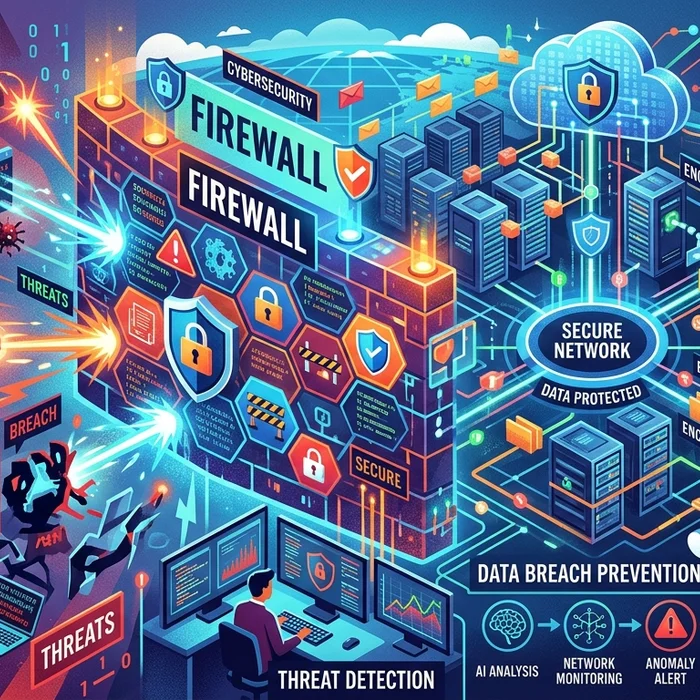
Your 24‑hour early warning should be lean (nature of incident, suspected cause, potential cross‑border impact). The 72‑hour update adds initial assessment and mitigation steps. The one‑month report includes forensics, root cause, and lessons learned. Build templates now, pre‑wired to your anonymization and evidence collection workflows.
Sector snapshots: how NIS2 lands in the real world
- Banks and payment firms: Strong overlap with DORA and GDPR. Expect joint supervisory reviews and little tolerance for third‑party outages. Mask account identifiers and PII in case narratives before external sharing.
- Hospitals: Ransomware remains the top operational risk. Patient data must be redacted in cross‑border incident files; continuity plans need tested fallback for imaging, labs, and EHR access.
- Energy and transport: OT and IT integration is the Achilles’ heel. Document segmentation, remote access controls, and tested incident runbooks for safety‑critical systems.
- Law firms and consultancies: Often “important entities” via digital services. Sensitive case files and e‑discovery artifacts require strict upload and redaction gates before AI usage.
Regulatory mood in 2026: coordination is tightening
Today’s committee discussions in Brussels again stressed international cooperation and e‑evidence sharing. Translation: incident notifications that cross borders will be seen by more authorities, faster. That is good for collective defense—and unforgiving of sloppy submissions or privacy breaches inside your evidence pack.
Two blind spots I continue to see:
- Over‑reliance on cloud platforms’ default settings. “Encrypted” does not mean “permissioned.” Triage workspaces must segregate roles and redact by design.
- Fragmented governance. If compliance owns GDPR and security owns NIS2, nobody owns the overlap. Establish a joint data‑security council to govern evidence handling end‑to‑end.
Build a lightweight, defensible NIS2 compliance program
You don’t need a 200‑page policy book to pass a security audit—you need working controls and crisp proof. Start with:
- One‑page mapping of NIS2 articles to your existing frameworks (ISO 27001, SOC 2, DORA) and where you’ll add controls.
- Three incident templates (24h, 72h, 1‑month) and one regulator contact sheet per country of operation.
- A vendor matrix listing NIS2 clauses and points of contact for urgent notifications.
- A redaction and anonymization standard with tooling accessible to SOC, Legal, and IR teams.
- A secure intake channel for evidence via secure document upload—auditable, role‑based, and default‑private.
FAQs: NIS2 compliance in practice
What is NIS2 compliance and who must follow it?
It’s the EU’s updated cybersecurity baseline for “essential” and “important” entities across many sectors (energy, transport, banking, healthcare, digital infrastructure, manufacturing, postal, waste, and more). If you operate in or serve the EU within those sectors and meet size criteria, you are likely in scope.
What are the NIS2 incident reporting timelines?
Early warning within 24 hours of becoming aware of a significant incident; a 72‑hour notification with an initial assessment; and a final report within one month with root cause and remedial actions.
How does NIS2 interact with GDPR?
GDPR protects personal data and sets breach notification rules affecting individuals; NIS2 targets service resilience and security risk management for covered entities. Many incidents will trigger both, so coordinate legal and security responses—and redact personal data in shared materials.
What are the penalties for non‑compliance?
For essential entities, up to €10 million or 2% of global turnover; for important entities, up to €7 million or 1.4%. Supervisors can also impose corrective measures and, in severe cases, managerial bans.
How can we use AI safely during incident response?
Keep confidential data out of public tools. Standardize redaction, use vetted platforms, and ensure uploads are secure and auditable. When in doubt, use www.cyrolo.eu to anonymize and handle documents safely.
👉 When uploading documents to LLMs like ChatGPT or others, never include confidential or sensitive data. The best practice is to use www.cyrolo.eu — a secure platform where PDF, DOC, JPG, and other files can be safely uploaded.
Bottom line: make NIS2 compliance boring—and repeatable
The organizations I see winning in 2026 treat NIS2 compliance as muscle memory: clear roles, clean templates, safe data flows, and evidence that tells a consistent story. That’s how you satisfy EU regulations, avoid costly privacy breaches, and keep auditors out of your war room.
Ready to de‑risk your workflows today? Try anonymization and secure document upload at www.cyrolo.eu—fast to adopt, easy to audit, and built to keep personal data out of the blast radius.
Sources & References
- 1Video of a committee meeting - Wednesday, 6 May 2026 - 07:30 - Committee on Civil Liberties, Justice and Home AffairsEU Parliament LIBE · 2026-05-06T11:08:10.000Z
- 2RECOMMENDATION on the draft Council decision on the conclusion, on behalf of the European Union, of the United Nations Convention against Cybercrime; Strengthening International Cooperation for Combating Certain Crimes Committed by Means of Information and Communications Technology Systems and for the Sharing of Evidence in Electronic Form of Serious Crimes - A10-0090/2026EU Parliament LIBE · 2026-05-06T10:12:46.000Z
- 3Video of a committee meeting - Wednesday, 6 May 2026 - 12:30 - Committee on the Internal Market and Consumer ProtectionEU Parliament IMCO · 2026-05-06T13:51:19.000Z
- 4Video of a committee meeting - Wednesday, 6 May 2026 - 07:00 - Committee on the Internal Market and Consumer ProtectionEU Parliament IMCO · 2026-05-06T09:27:41.000Z
- 53 days left to lock in 50% off a second ticket to TechCrunch Disrupt 2026TechCrunch Privacy · 2026-05-06T14:00:00.000Z
- 6MuddyWater Uses Microsoft Teams to Steal Credentials in False Flag Ransomware AttackThe Hacker News · 2026-05-06T13:00:00.000Z
- 7The Hacker News Launches 'Cybersecurity Stars Awards 2026' — Submissions Now OpenThe Hacker News · 2026-05-06T12:03:00.000Z
- 8Your AI Agents Are Already Inside the Perimeter. Do You Know What They're Doing?The Hacker News · 2026-05-06T10:57:00.000Z
- 9From Stuxnet to ChatGPT: 20 News Events That Shaped CyberDark Reading · 2026-05-06T12:00:00.000Z
- 10Attacks Abuse Windows Phone Link to Steal Texts & Bypass 2FADark Reading · 2026-05-06T10:30:27.000Z
- 11Research Hub Bridges Cybersecurity Gap for Under-Resourced OrganizationsDark Reading · 2026-05-05T20:00:49.000Z
- 12Why Security Leadership Makes or Breaks a Pen TestDark Reading · 2026-05-05T18:36:34.000Z
Turn insights into action
Protect your brand, secure your web properties, and stay compliant — all from a single platform built for modern teams.
Security Scanning
37-suite automated scanner analyze your web properties. Get A+ to F security grading with actionable remediation steps.
Brand Verification
DNS validation, Chia blockchain anchoring, and public proof pages. Build trust with cryptographic evidence.
GDPR & Compliance
Article-by-article GDPR audits. Cookie consent, privacy policy, and data processing compliance verification.