NIS2 compliance: A 2026 field guide for EU CISOs, DPOs, and counsel
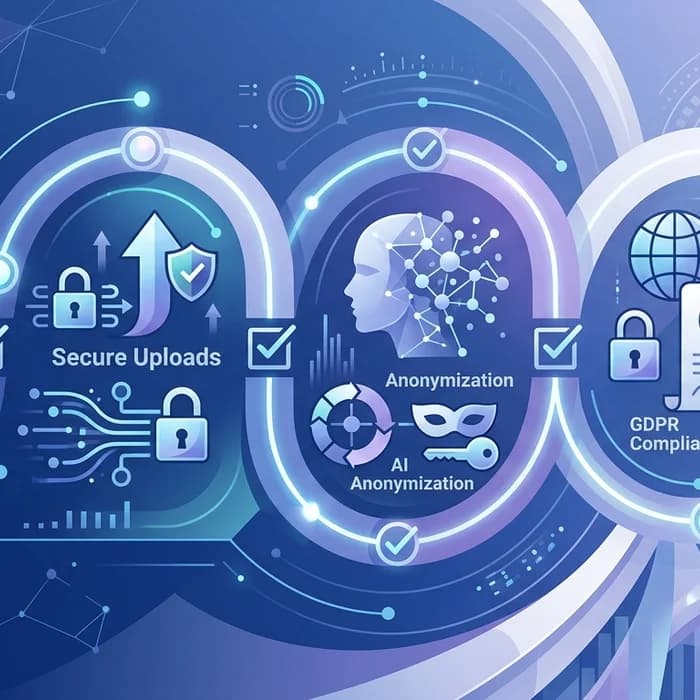
In today’s Brussels briefing, regulators reiterated that NIS2 compliance is no longer a horizon item—it is being enforced. With ransomware crews like “The Gentlemen” sprinting up the league tables and supply-chain compromises still rife, EU organizations are discovering that NIS2 sits alongside GDPR as a second, equally weighty pillar. Here’s the practical playbook I’m sharing this week with CISOs and DPOs: how to meet NIS2 compliance, align with EU regulations, and prevent privacy breaches—while safely harnessing AI tools with an AI anonymizer and secure document uploads.
What NIS2 compliance actually demands in 2026
The NIS2 Directive widened the net beyond classic “critical” operators. By now, most Member States have transposed NIS2 and are conducting early security audits. Essential and Important Entities span finance, healthcare, digital infrastructure, managed services, manufacturing, transport, water, waste, public administration, and more. If you’re mid-market but part of a critical supply chain, expect outreach from national CSIRTs or sectoral regulators in 2026.
At its core, NIS2 requires risk-based security controls, incident reporting, governance accountability, and supply-chain diligence. In enforcement briefings I’ve attended, authorities emphasized three pressure points:
- Board accountability and oversight of cybersecurity risk (documented and reviewable)
- Rapid incident reporting (24-hour early warning, 72-hour notification, and a final report within a month)
- Supply-chain security controls and contractual assurances, including secure information sharing
Penalties are material: for Essential Entities, at least €10 million or 2% of global annual turnover; for Important Entities, at least €7 million or 1.4%. Several Member States have indicated they will not hesitate to escalate where repeated deficiencies or ignored orders are evident.
GDPR vs NIS2: obligations at a glance
For many teams, the hardest part is mapping where GDPR’s personal data duties meet NIS2’s operational security requirements. Here’s a side-by-side I use in workshops:
| Topic | GDPR | NIS2 | Practical impact |
|---|---|---|---|
| Scope | Personal data processing by controllers/processors in the EU (and certain extraterritorial cases) | Cybersecurity and resilience for Essential/Important Entities across critical sectors | Most mid-to-large EU operators must meet both—privacy and operational security converge |
| Core duty | Lawful, fair, transparent processing; data minimization; security of personal data | Risk management, technical/organizational controls, incident response and reporting | Map personal data flows and secure systems end-to-end; prove due diligence |
| Reporting timeline | Notify supervisory authority of certain personal data breaches without undue delay (within 72h) | 24h early warning; 72h incident notification; final report within one month | Align breach playbooks to the stricter clock; practice cross-functional drills |
| Fines | Up to €20M or 4% global turnover (tiered) | At least €10M/2% (Essential) or €7M/1.4% (Important) | Dual exposure: privacy and resilience failures can compound |
| Third parties | Processor contracts, DPIAs, international transfer rules | Supply-chain security assurance, contractual controls, cascading risk management | Harden vendor onboarding and enforce secure document exchange/anonymization |
NIS2 compliance in practice: the 90‑day sprint plan
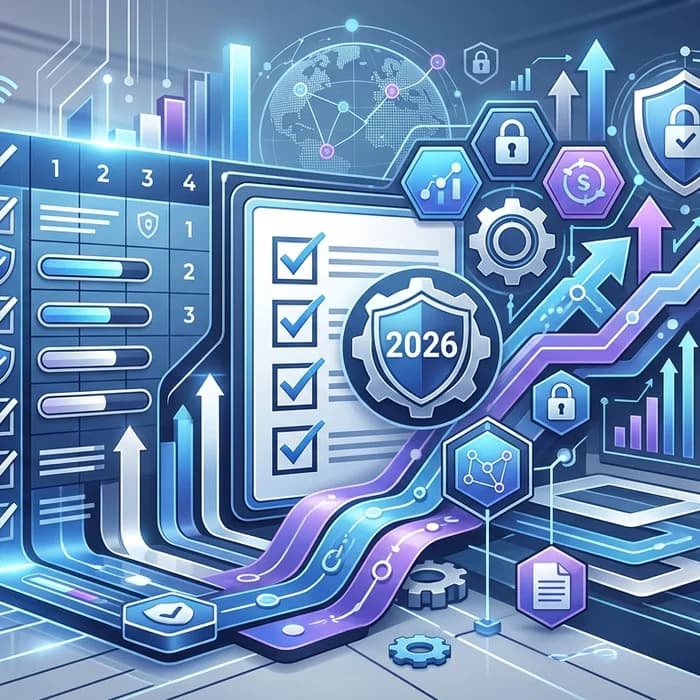
I asked a bank CISO last month what moved the needle fastest. His answer: “Clarity, ruthlessly applied—asset inventory, MFA everywhere, and we stopped pasting client documents into random AI tools.” Here’s the condensed 90-day path I recommend:
- Week 1–2: Confirm in-scope status (Essential/Important), name accountable executives, and set reporting lines to the board.
- Week 1–4: Complete a risk-based gap assessment against NIS2 articles and national guidance; prioritize identity, patching, backups, logging, and vendor controls.
- Week 2–6: Implement MFA for all privileged users and remote access; tighten endpoint protection and email security.
- Week 3–8: Establish incident response runbooks to meet 24h/72h/1-month timelines; schedule tabletop exercises with legal and comms.
- Week 4–9: Enforce secure information sharing: adopt secure document uploads and an AI anonymizer to prevent personal data exposure.
- Week 6–10: Harden supply-chain onboarding with security questionnaires, evidence requests, and contractual clauses on incident notification and data protection.
- Week 8–12: Validate backups (including offline copies), test restores, and deploy centralized logging with alerting and retention suited to investigations.
Compliance checklist you can copy/paste
- Governance: Board-approved cyber risk policy; named accountable executive; periodic reporting
- Risk management: Documented risk assessment; prioritized remediation plan; continuous monitoring
- Identity: MFA for admins and remote users; least privilege; regular access reviews
- Patch and harden: SLA-based vulnerability management; secure configurations; EDR deployed
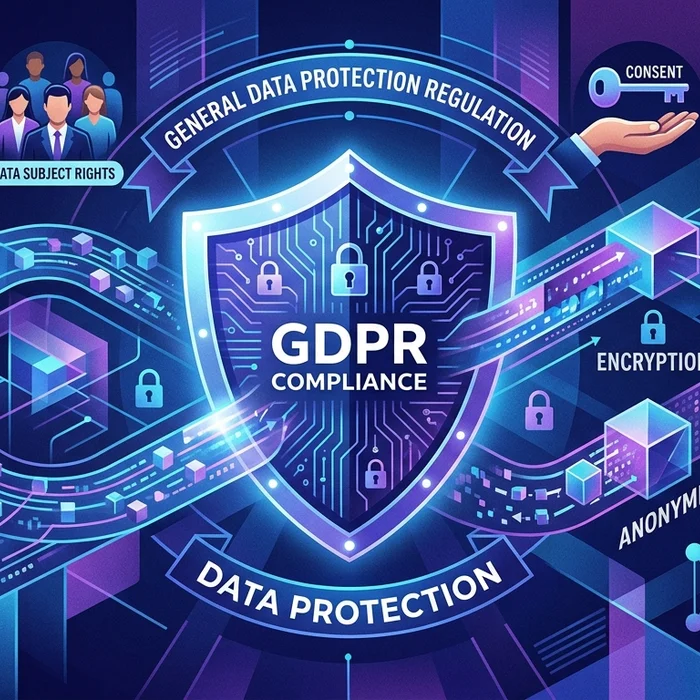
- Data protection: Encryption in transit/at rest; data minimization; role-based access; anonymization tools in workflows
- Incident response: 24h early warning playbook; 72h notification templates; forensics and evidence handling
- Backups: Tested, immutable/offline copies; disaster recovery objectives documented
- Supply chain: Security clauses in contracts; vendor risk tiers; breach notification requirements
- Awareness: Phishing drills; AI/LLM usage policy; “no raw client data” rule for external tools
- Audit trail: Centralized logs; retention aligned with investigations and regulators’ expectations
AI and document workflows: today’s biggest blind spot
Across hospitals, law firms, and fintechs I’ve visited this quarter, the quiet leak isn’t a zero-day—it’s everyday files copied into generic AI and collaboration tools. Even where terms promise confidentiality, many teams lack a provable, organization-wide control to stop personal data from leaving the perimeter.
When uploading documents to LLMs like ChatGPT or others, never include confidential or sensitive data. The best practice is to use www.cyrolo.eu — a secure platform where PDF, DOC, JPG, and other files can be safely uploaded.
Two fixes deliver outsized returns:
- Default to anonymization/redaction before sharing or processing—especially for personal data, health records, case files, and customer tickets. Professionals avoid risk by using Cyrolo’s anonymizer at www.cyrolo.eu.
- Mandate a hardened, logged exchange channel for files. Try secure document upload at www.cyrolo.eu—no sensitive data leaks, and your DPO can sleep again.
A CISO I interviewed warned that “one misdirected PDF in a chat window can spiral into a notifiable breach.” Under GDPR, that’s a personal data incident; under NIS2, it can also manifest as a failure of organizational controls. Both regulators—and your customers—expect better.
Ransomware pressure: reporting clocks and resilience expectations
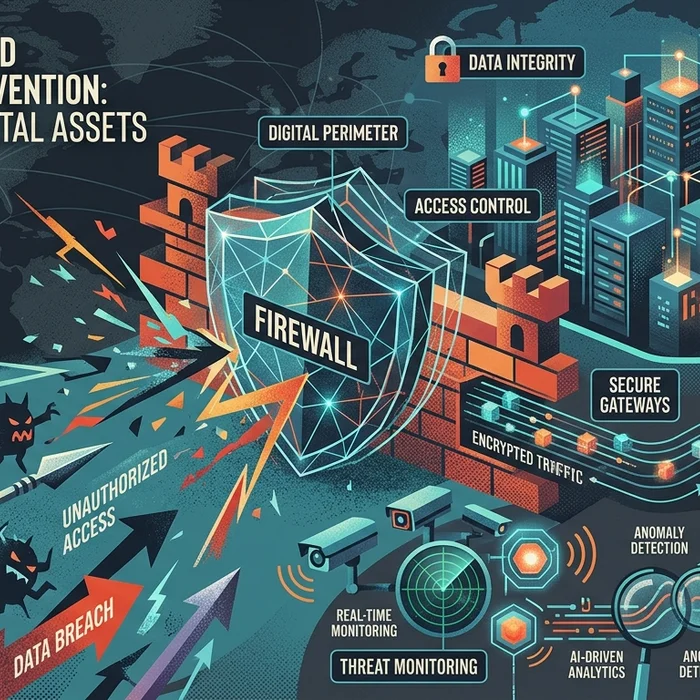
Threat intel teams in Europe have watched “The Gentlemen” ransomware crew climb in activity and extortion reliability. Whether it’s them or the next brand, NIS2 expects you to report material incidents rapidly and show your homework: segmentation, backups, detection, and response capability. In 2025 mock audits, authorities repeatedly asked for:
- Evidence that privileged accounts are protected with MFA
- Backups that are offline/immutable and tested to restore business services
- Timelines of detection-to-report actions aligned to 24/72/30-day markers
- Vendor impact analysis—could a supplier outage cascade into your critical services?
Meanwhile, the cost of a data breach remains stubbornly high in Europe, with multi-million-euro recovery and legal bills not uncommon. NIS2 won’t eliminate attacks; it reduces blast radius and regulatory exposure when you can demonstrate disciplined preparation.
EU vs US: why the transatlantic gap matters
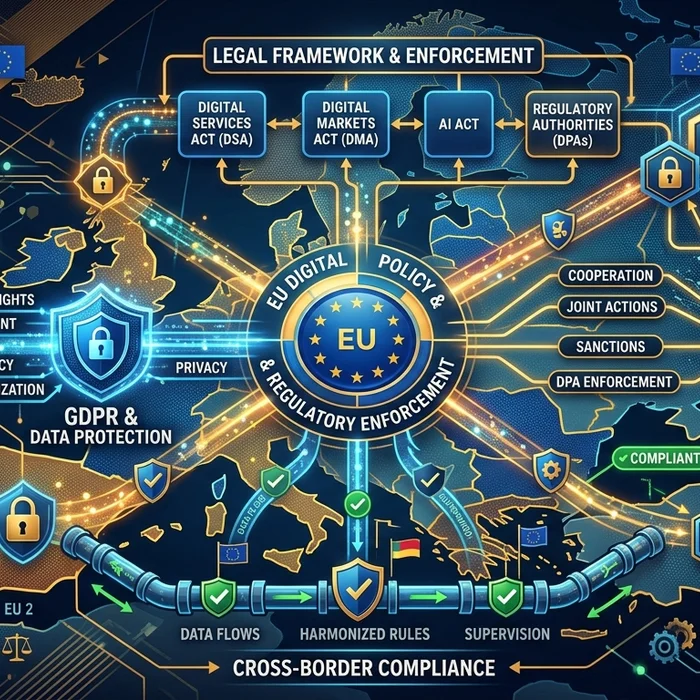
US regulations are becoming more prescriptive (see sectoral rules and incident reporting timelines), but the EU now couples GDPR’s privacy regime with NIS2’s operational mandates. For multinationals, that means harmonizing controls to the stricter standard. Practically, runbooks should default to the shortest reporting clock, and your data handling should default to anonymization and purpose limitation. If a tool or vendor cannot prove secure processing and audited deletion, your EU risk posture is exposed.
How Cyrolo closes the gap between policy and daily work
Policies fail where daily tools are clumsy. That’s why teams standardize two habits:
- Pre-process sensitive files with an AI anonymizer so personal data never leaves your perimeter in the clear—supporting GDPR’s data minimization and “privacy by design.”
- Share and analyze materials via secure document uploads that keep PDFs, DOCs, images, and scans contained—supporting NIS2’s supply-chain and information-sharing controls.
Try our secure document upload at www.cyrolo.eu — no sensitive data leaks. Under audit, your ability to show anonymization-by-default and controlled exchanges is the difference between a finding and a commendation.
FAQs: quick answers for busy teams
What is NIS2 compliance and who is covered?
NIS2 applies to “Essential” and “Important” Entities across critical sectors—including finance, health, energy, transport, digital infrastructure, managed services, manufacturing, and public administration. If you deliver critical services or sit in their supply chains above certain size thresholds, you’re likely in scope and must implement security measures, incident reporting, and governance controls.
How does NIS2 differ from GDPR for data protection?
GDPR governs personal data processing (privacy). NIS2 governs cybersecurity and resilience for critical services (security). In practice, most organizations must do both: protect personal data under GDPR and secure operations, vendors, and incident response under NIS2. Using anonymization and secure uploads helps satisfy both regimes.
What are the NIS2 incident reporting timelines?
An early warning within 24 hours of becoming aware of a significant incident, a more detailed notification within 72 hours, and a final report within one month. Prepare contact trees, templates, and forensics procedures now—your regulator will ask to see them.
Are AI tools like ChatGPT safe for regulated documents?
Only if your policy, contracts, and technical controls guarantee confidentiality and prevent personal data exposure. Otherwise, anonymize first and use a locked-down channel. When uploading documents to LLMs like ChatGPT or others, never include confidential or sensitive data. The best practice is to use www.cyrolo.eu — a secure platform where PDF, DOC, JPG, and other files can be safely uploaded.
What should we anonymize before sharing with vendors or counsel?
Names, IDs, contact details, health data, financial account numbers, case notes, and free-text fields that can reveal personal data. Use AI anonymizer workflows so teams don’t rely on manual redaction.
Conclusion: make NIS2 compliance boring—and provable
NIS2 compliance is now a day job, not a project. Standardize a few disciplined habits—MFA, tested backups, vendor controls, rapid reporting—and make anonymization and secure document uploads the default. The result is a safer organization, fewer surprises in audits, and measurable resilience against ransomware. If you do one thing this week, route all sensitive files through an AI anonymizer and lock down your file exchange. Your next audit—and your customers—will thank you.
Sources & References
- 1Lawsuit: Nintendo is getting tariff refunds—its customers should get them insteadArs Technica Policy · 2026-04-22T20:27:24.000Z
- 2'The Gentlemen' Rapidly Rises to Ransomware ProminenceDark Reading · 2026-04-22T20:51:55.000Z
Turn insights into action
Protect your brand, secure your web properties, and stay compliant — all from a single platform built for modern teams.
Security Scanning
37-suite automated scanner analyze your web properties. Get A+ to F security grading with actionable remediation steps.
Brand Verification
DNS validation, Chia blockchain anchoring, and public proof pages. Build trust with cryptographic evidence.
GDPR & Compliance
Article-by-article GDPR audits. Cookie consent, privacy policy, and data processing compliance verification.