NIS2 compliance in 2026: a practical, security-first playbook for EU CISOs and counsel
European boards are asking the same question this spring: are we truly ready for NIS2 compliance? In today’s Brussels briefing, regulators stressed that geopolitical operations and supply-chain compromises are now the benchmark for “reasonable security.” That’s not theory: investigators this week flagged China-linked TA416 phishing European ministries with OAuth-based lures and PlugX, while Linux hosts faced cookie-controlled PHP web shells persisting via cron. Against that backdrop, NIS2’s governance, reporting, and supplier controls—alongside GDPR’s personal data rules—set the tone for cybersecurity compliance in 2026.
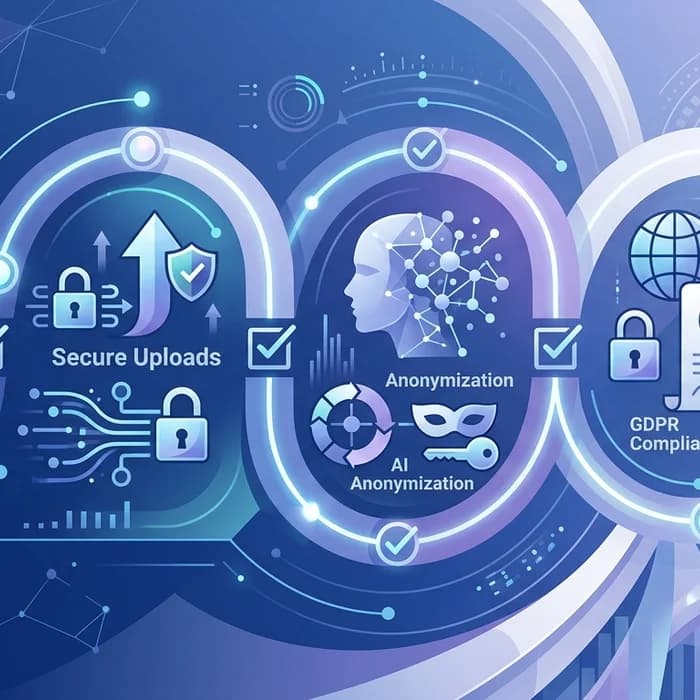
Below, I translate this regulatory maze into clear actions and tools your team can adopt today. Where sensitive documents and personal data are in play, professionals avoid risk by using Cyrolo’s anonymizer at www.cyrolo.eu and trying secure document upload at www.cyrolo.eu—so draft policies, DPAs, vendor reports, and incident notes don’t leak into the wild.
Why NIS2 compliance just got harder in 2026
- Threat tempo: EU networks have faced OAuth phishing against government tenants, stealthy persistence on Linux via cron-tasked web shells, and mobile zero-days patched out-of-cycle. A CISO I interviewed at a southern European utility put it bluntly: “Our supplier is one misconfigured cron job away from becoming our incident.”
- Regulatory coordination: Data protection authorities, telecoms regulators, and sectoral supervisors are sharing signals. Expect more joined security audits and faster follow-up letters after incidents.
- Accountability shift: NIS2 elevates executive oversight, requiring risk management, incident reporting within defined clocks, and supply-chain security by design. Boards are expected to know—not just to delegate.
NIS2 compliance requirements at a glance
While national transpositions vary, the core obligations are converging. Here’s what most essential and important entities must demonstrate:
- Risk management and governance: Documented policies, roles, and board-level oversight. Evidence that management is trained and decisions are minuted.
- Incident reporting: Early warning within 24 hours of becoming aware of a significant incident; more complete notification by 72 hours; final report within one month.
- Technical and organizational measures: Network and information system security across identity, patching, monitoring, encryption, and backup. Supply-chain due diligence and secure development practices.
- Business continuity: Tested response and recovery, with crisis communication plans.
- Supplier and service oversight: Contracts that embed security requirements and audit rights; monitoring of managed service providers.
- Enforcement and fines: For essential entities, up to €10 million or 2% of global turnover; for important entities, up to €7 million or 1.4%—whichever is higher under national law.
How NIS2 and GDPR intersect
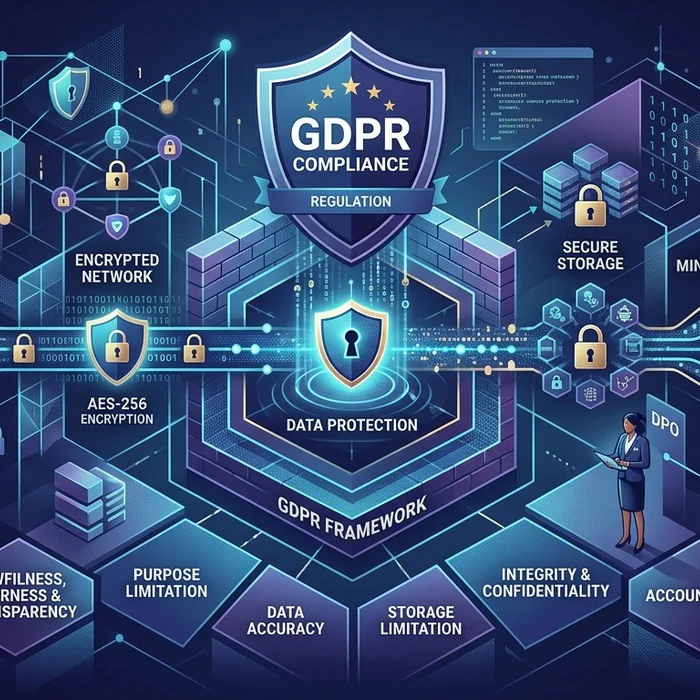
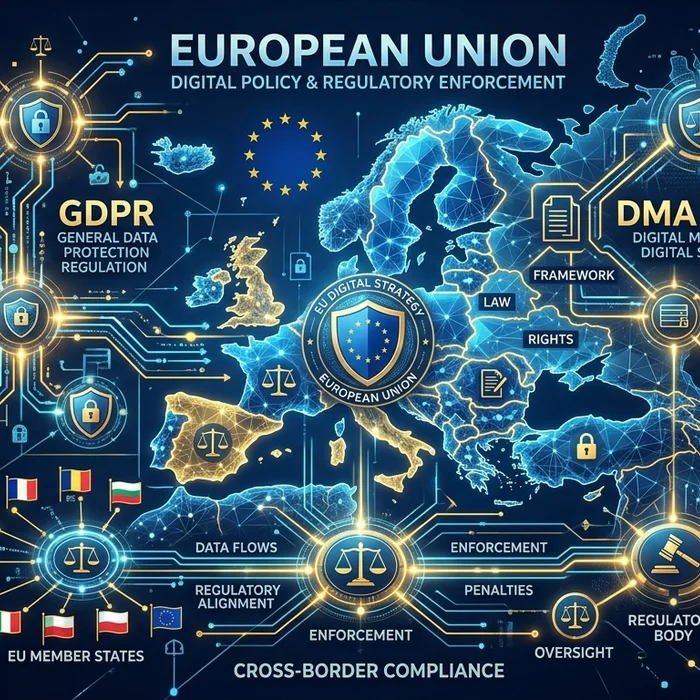
GDPR focuses on personal data; NIS2 focuses on the resilience of services in critical and important sectors. In practice, a breach can trigger both regimes: one for data protection, one for service continuity and security. Counsel should align notification playbooks so privacy, security, and communications teams don’t work at cross-purposes.
| Topic | GDPR | NIS2 |
|---|---|---|
| Scope | Processing of personal data by controllers/processors | Security and continuity of essential/important entities in key sectors |
| Primary objective | Protect rights and freedoms of data subjects | Ensure resilience of network and information systems and essential services |
| Incident reporting | Notify DPA within 72 hours if personal data breach likely risks rights | Early warning in 24h; incident notification in 72h; final report in 1 month |
| Security measures | Appropriate technical and organizational measures (Art. 32) | Risk management measures including supply-chain security, crypto, MFA, logging |
| Fines | Up to €20m or 4% global turnover | Essential: up to €10m or 2%; Important: up to €7m or 1.4% |
| Vendors | DPAs, SCCs/DPAs with processors, DPIAs | Contractual security controls, oversight of managed service providers |
NIS2 compliance checklist you can action this quarter
- Map scope and applicability: confirm entity classification (essential vs important) and national transposition specifics.
- Board accountability: schedule a security briefing; minute risk acceptance and investment decisions.
- Policy refresh: update incident response, vulnerability management, third-party risk, and backup/restore policies.
- Identity hardening: enforce MFA for admins, rotate keys, review OAuth app consents, and disable legacy protocols.
- Patch and persistence: prioritize kernel/mobile patches and detect cron- or scheduled-task persistence on Linux/Windows.
- Logging and monitoring: centralize logs, enable tamper detection, and test alert-to-triage response within SLA.
- Supplier controls: add security annexes, require attestations (e.g., SOC 2/ISO 27001), and define breach notification windows.
- Tabletop exercises: run a 24/72/30-hour NIS2 drill including GDPR branching if personal data is involved.
- Data minimization for AI: strip personal data from prompts and attachments; use an AI anonymizer before testing any LLM workflows.
- Secure document handling: move drafts, logs, and evidence off email into vetted, secure document uploads with access controls.
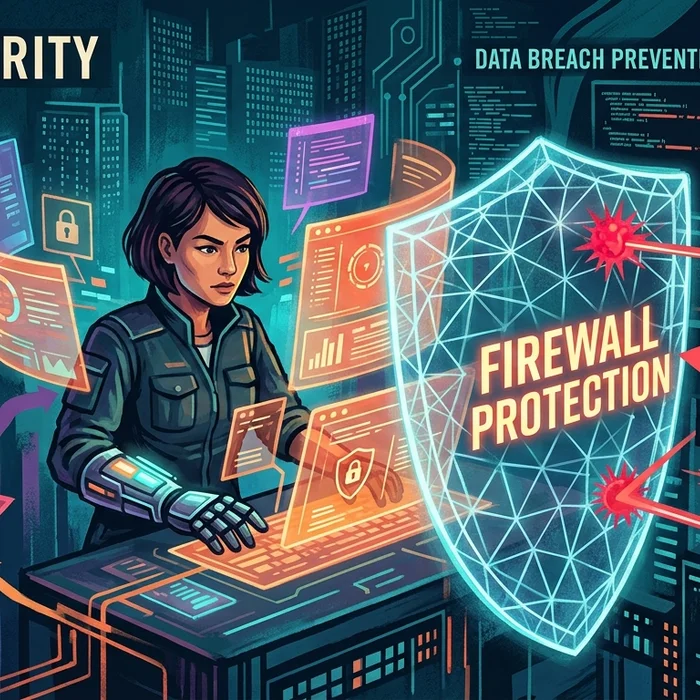
Problem: risky file flows and AI misuse. Solution: anonymization and secure uploads that meet compliance reality
Across banks, hospitals, and law firms I’ve visited this year, the quiet failure point is unchanged: documents ricochet between email, chat, and unsanctioned AI tools. That’s where privacy breaches start and security audits unravel. A hospital DPO told me they failed a spot check because a contractor pasted lab results into a public AI form.
- Protect personal data: Before sharing logs, tickets, or vendor evidence, scrub names, emails, phone numbers, IBANs, MRNs, and other identifiers. Professionals avoid risk by using Cyrolo’s anonymizer to automatically mask personal data while preserving context for analysis.
- Control document sprawl: Use secure document upload to centralize drafts (incident timelines, DPIAs, audit artifacts) without spraying attachments across mailboxes and chat threads.
- Prove due care: During security audits, showing anonymized evidence and access-controlled repositories is persuasive proof of “appropriate technical and organizational measures.”
Compliance note: When uploading documents to LLMs like ChatGPT or others, never include confidential or sensitive data. The best practice is to use www.cyrolo.eu — a secure platform where PDF, DOC, JPG, and other files can be safely uploaded.
Sector snapshots: what regulators expect in 2026
- Energy and utilities: Demonstrate supplier segmentation and out-of-band recovery. Expect questions on remote access to OT and detection of stealth persistence (e.g., cron, scheduled tasks).
- Finance and fintech: Align NIS2 with DORA operational resilience testing. Show end-to-end visibility of third-party incidents and contractually defined RTO/RPO.
- Healthcare: Prove that diagnostic and patient systems are patched on a risk-based cadence and that data leaving clinical networks is minimized or anonymized.
- Public sector: Harden identity, OAuth approvals, and mobile fleets. Regulators are closely tracking government tenant phishing and mailbox rule abuse.
- Media/consumer platforms: Courts have signaled little tolerance for ambiguous T&Cs and opaque changes. Expect parallel scrutiny of security and transparency.
Timelines, audits, and documentation that actually stands up
NIS2 took effect at EU level with national transpositions in late 2024; 2025–2026 is the enforcement runway. Authorities are moving from awareness letters to onsite inspections, often requesting:
- Board minutes evidencing security decisions and budgets.
- Incident runbooks and actual test records for the 24/72/30-hour notification flow.
- Supplier registers with risk ratings and contract clauses tying security to service levels.
- Proof of monitoring: SIEM alerts, retention policies, and evidence of response within SLA.
- Privacy-security coordination: DPIAs, breach assessments, and cross-referenced GDPR/NIS2 notifications.
Tip from an audit I sat in on last month: teams that kept incident timelines, screenshots, and logs in a single, access-controlled repository finished in half the time. Try consolidating evidence with secure document uploads and masking sensitive strings with an AI anonymizer before sharing with external counsel or vendors.
Frequently asked questions
What entities fall under NIS2 and how do I know if my company is “essential” or “important”?
NIS2 applies to medium and large organizations in specified sectors (e.g., energy, transport, health, finance, public administration, digital infrastructure, managed services). Member States designate “essential” and “important” entities; classification depends on sector, size thresholds, and criticality. Start by mapping your NACE codes to national guidance and confirming size criteria.
What is the difference between NIS2 and GDPR for incident reporting?
GDPR triggers when there is a personal data breach likely to risk individuals’ rights; notify the DPA within 72 hours. NIS2 triggers on significant service-impacting incidents; provide an early warning within 24 hours, a fuller notification at 72 hours, and a final report within one month. Many incidents require both tracks—run a single coordinated playbook.
Does NIS2 apply to my US-based vendor providing services into the EU?
Yes, extraterritorial provisions can capture providers offering services into the EU (e.g., cloud, managed services). EU customers should embed NIS2-aligned security and incident clauses, and vendors should prepare to interface with EU competent authorities via an EU representative where required.
How do I anonymize personal data before using AI tools in security operations?
Use pattern-based and AI-assisted masking to remove direct identifiers (names, emails, phone numbers, account IDs) and reduce quasi-identifiers in tickets, logs, and images. The safest route is to process these files with an AI anonymizer and keep content within secure document uploads rather than pasting into public web forms.
Is uploading security evidence to ChatGPT or similar LLMs compliant?
Not by default. Public LLM endpoints can create confidentiality and data transfer risks. When uploading documents to LLMs like ChatGPT or others, never include confidential or sensitive data. The best practice is to use www.cyrolo.eu — a secure platform where PDF, DOC, JPG, and other files can be safely uploaded.
Conclusion: make NIS2 compliance your advantage
NIS2 compliance is not just a regulatory hurdle—it’s a chance to standardize executive oversight, harden identity paths, and prove supply-chain diligence while the threat landscape accelerates. From OAuth phishing against ministries to stealthy cron-based persistence on Linux, 2026 demands disciplined documentation and safer data handling. If you handle personal data or incident evidence, reduce risk today: mask what you share with an AI anonymizer and centralize sharing with secure document uploads. Try Cyrolo at www.cyrolo.eu—no sensitive data leaks, and your next audit goes faster.
Sources & References
- 1China-Linked TA416 Targets European Governments with PlugX and OAuth-Based PhishingThe Hacker News · 2026-04-03T17:34:00.000Z
- 2Microsoft Details Cookie-Controlled PHP Web Shells Persisting via Cron on Linux ServersThe Hacker News · 2026-04-03T15:32:00.000Z
- 3Netflix must refund customers for years of price hikes, Italian court rulesArs Technica Policy · 2026-04-03T17:41:51.000Z
- 4Apple Breaks Precedent, Patches DarkSword for iOS 18Dark Reading · 2026-04-03T17:08:57.000Z
- 5Blast Radius of TeamPCP Attacks Expands Amid Hacker InfightingDark Reading · 2026-04-03T15:11:16.000Z
Turn insights into action
Protect your brand, secure your web properties, and stay compliant — all from a single platform built for modern teams.
Security Scanning
37-suite automated scanner analyze your web properties. Get A+ to F security grading with actionable remediation steps.
Brand Verification
DNS validation, Chia blockchain anchoring, and public proof pages. Build trust with cryptographic evidence.
GDPR & Compliance
Article-by-article GDPR audits. Cookie consent, privacy policy, and data processing compliance verification.