NIS2 Cybersecurity Compliance After the Latest cPanel Vulnerabilities: What EU Hosts and MSPs Must Do Now
In today’s Brussels briefing, regulators again underscored something many CISOs told me this week: the latest round of cPanel/WHM patches is a stress test of NIS2 cybersecurity compliance and incident readiness across Europe’s hosting and managed service ecosystem. Whether you run shared hosting, a fintech SaaS on top of cPanel, or white‑label WHM for SMEs, the message is unmissable—patch fast, prove control, and document everything for auditors.

What the new cPanel/WHM patches signal for EU exposure
Vendors push fixes routinely, but a coordinated advisory about multiple cPanel/WHM issues in one sweep tends to trigger regulator and customer scrutiny. In calls with two EU hosting CISOs this morning, both flagged the same risks:
- Customer data exposure if bugs intersect with weak isolation or outdated plugins.
- Downtime and SLA breaches if emergency patching collides with peak traffic windows.
- Supplier risk—many MSPs inherit vulnerabilities embedded in client stacks.
- Audit trail gaps—teams patch quickly, then struggle to demonstrate when and how they remediated.
None of these are hypothetical. Under EU regulations—especially NIS2—management must prove proportionate technical and organizational measures, including vulnerability handling, incident reporting, and supplier oversight. Failing to evidence process can be as damaging as the vulnerability itself.
NIS2 cybersecurity compliance: what obligations are triggered?
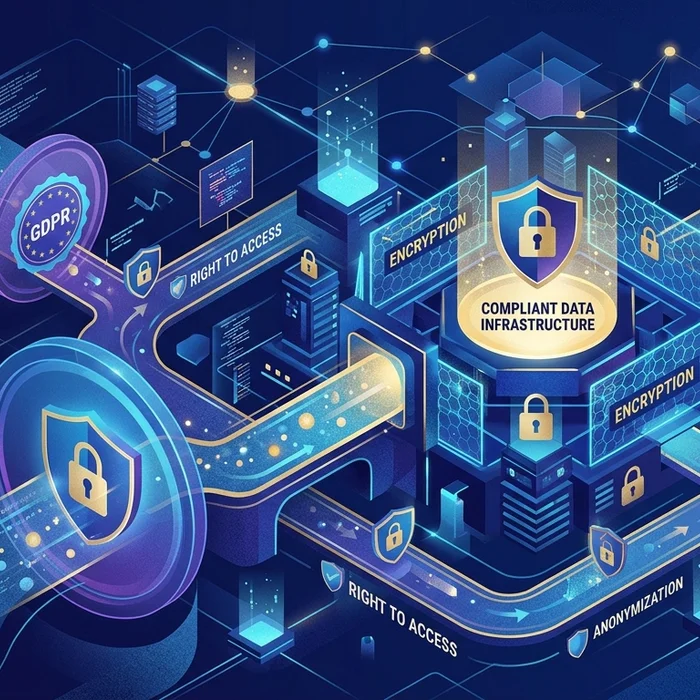
NIS2, in force across the EU and EEA, expands who is in scope and raises the bar for “state of the art” security. For hosting providers, MSPs, SaaS firms, and domain registrars, the latest patch cycle maps to several concrete duties:
1) Risk management and vulnerability handling
- Maintain an asset and software bill of materials (SBOM) to know where cPanel/WHM runs.
- Classify vulnerabilities, apply patches within risk‑based SLAs, and track exceptions with compensating controls.
- Document testing and rollback plans; keep evidence for security audits.
2) Incident reporting timeline (24h/72h/1 month)
- Early warning within 24 hours for incidents with significant impact or potential cross‑border effects.
- Incident notification with initial assessment within 72 hours.
- Final report within one month, including root cause and mitigation.
Note: A patching event isn’t always an “incident”—but exploitation, service impact, or meaningful risk to customers can tip it into reportability under national rules. When in doubt, pre‑consult your CSIRT/NCA contact point.
3) Supplier and service chain oversight
- Contractually require timely security advisories and patch SLAs from upstream vendors.
- Verify backup and restoration integrity post‑patch (business continuity is a NIS2 requirement).
4) Logging, monitoring, and detection
- Collect and retain logs sufficient to reconstruct attack paths and prove patch windows.
- Segment admin interfaces; enforce MFA; monitor for abuse of maintenance accounts.
5) Management accountability and sanctions
- Executives must approve security policies and can be sanctioned for serious failures.
- Fines: essential entities—up to €10 million or 2% of global turnover; important entities—up to €7 million or 1.4%.
Compliance checklist: turn today’s patching into defensible evidence
- Identify all cPanel/WHM assets (production, staging, customer tenants); tag by criticality.
- Apply vendor patches; record version changes, timestamps, and responsible engineer.
- Run targeted validation: auth flows, backups, mail, DNS, and key plugins.
- Capture before/after config snapshots and log excerpts proving remediation.
- Update risk register and ticketing with CVE mapping, SLA met/missed, and exceptions.
- Notify affected customers if their service window or risk changed; keep templates on file.
- Review whether the event is reportable under NIS2; prepare a 72‑hour draft just in case.
- Brief management; minute decisions and resource allocations for audit traceability.
GDPR vs NIS2: where your obligations differ
Teams often conflate privacy and operational security. Both matter—but they trigger different actions and penalties. Here’s the side‑by‑side your board will ask for:
| Area | GDPR | NIS2 |
|---|---|---|
| Primary focus | Personal data protection and data subject rights | Continuity and security of network and information systems |
| Who is in scope | Controllers and processors handling personal data | Essential and important entities (e.g., hosting, MSPs, DNS, cloud, finance, health) |
| Incident reporting | Notify DPA within 72 hours if personal data breach likely risks individuals | Early warning within 24h; incident notification in 72h; final report in 1 month for significant service/security incidents |
| Security measures | “Appropriate” technical/organizational measures; privacy by design | Risk management, patch/vuln handling, logging, continuity, supply‑chain controls, crypto, testing |
| Penalties | Up to €20M or 4% global turnover | Up to €10M or 2% (essential) and €7M or 1.4% (important) |
| Management liability | Limited direct management measures | Explicit management oversight; potential temporary bans and individual accountability under national law |
Using AI safely during incident response and audits
Under pressure, teams paste log samples, configs, and support tickets into LLMs to draft advisories or root‑cause narratives. That’s where unforced errors explode into privacy breaches and contractual violations. A CISO I interviewed warned: “We fixed the vuln in hours, but the real exposure risk was a well‑meaning engineer pasting production logs into a public chatbot.”
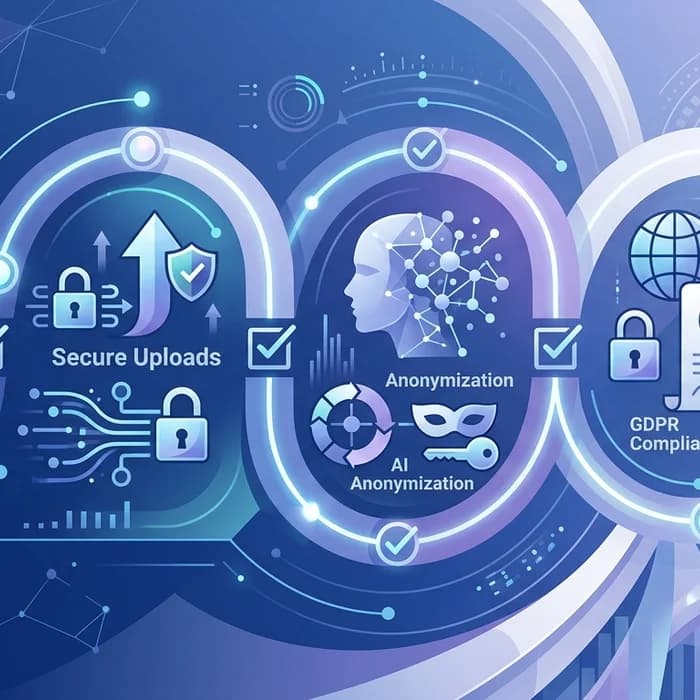
Avoid that trap. If you need automated help summarizing tickets or redacting customer identifiers, use an AI anonymizer before any analysis. Professionals avoid risk by using Cyrolo's anonymizer at www.cyrolo.eu.

Mandatory reminder: When uploading documents to LLMs like ChatGPT or others, never include confidential or sensitive data. The best practice is to use www.cyrolo.eu — a secure platform where PDF, DOC, JPG, and other files can be safely uploaded.
Need to share patch notes, change tickets, or log snippets with counsel or auditors? Try our secure document upload at www.cyrolo.eu — no sensitive data leaks.
2026 enforcement climate: what Brussels expects now
Here’s the on‑the‑ground view from today’s calls with national authorities and auditors:
- Transposition is complete; enforcement is maturing. Regulators are moving from guidance to penalties.
- Security audits increasingly request proof of patch windows, change approval records, and supplier advisories.
- Cross‑border coordination is active: one Member State’s CSIRT will ask another about your 24/72‑hour notifications.
- US‑EU contrast: US regulators lean on sectoral rules and disclosures; EU expects formal risk management and report timing discipline under NIS2.
A practical playbook for cPanel/WHM under NIS2
- Map assets and tenants: inventory cPanel/WHM, versions, plugins, custom modules, and exposed admin endpoints.
- Prioritize: internet‑exposed and high‑privilege nodes first; freeze non‑critical changes until patching completes.
- Patch and verify: apply vendor fixes; validate core services (web, mail, DNS), SSL/TLS, backup jobs, and cron tasks.
- Harden: enforce MFA for WHM root/reseller accounts; restrict API tokens; rotate credentials used during maintenance.
- Monitor: raise temporary alerting on privilege escalations, failed logins, and file integrity for 7–14 days post‑patch.
- Evidence: export logs and ticket trails; store before/after hashes of key binaries; attach screenshots of version panels.
- Communicate: issue a customer advisory summarizing risk, window, mitigation, and any required user actions.
- Assess reportability: if exploitation or material impact occurred, prepare NIS2 notifications (24/72/30‑day cadence).
- Review suppliers: ensure upstream plugins/modules/vendors have issued advisories and updates; track laggards.
- Train and simulate: conduct a 30‑minute tabletop on “urgent vendor patch + weekend traffic spike” and capture lessons learned.
To avoid inadvertent data exposure during analysis and reporting, route any attachments through an anonymization workflow. Try our secure document upload—it’s built for PDFs, DOCs, images, and log exports that must not leak personal data or secrets.
FAQ: cPanel patches, GDPR, and NIS2 for EU hosts

Do cPanel/WHM patches automatically create a NIS2 reporting duty?
No. Patching alone isn’t reportable. But confirmed exploitation, significant service disruption, or material risk to customers can trigger 24/72‑hour notifications. Keep a prepared draft so you can file quickly if thresholds are met.
We process personal data on shared hosting. Is this GDPR or NIS2—or both?
Usually both. GDPR covers personal data and privacy obligations. NIS2 covers service continuity and security measures. A security incident can be reportable under NIS2 even without a GDPR personal data breach—and vice versa.
What evidence do auditors expect for patch management under NIS2?
Inventory, risk classification, change approvals, timestamps, test results, logs demonstrating version changes, and clear exception handling with compensating controls.
How fast must we patch?
NIS2 is risk‑based, not prescriptive. Define SLAs by severity and exposure (e.g., internet‑facing critical issues within 24–72 hours). Show that you met the SLA or applied mitigations when you couldn’t.
Can we use AI to summarize incident logs?
Yes—if you remove sensitive data first and use a secure workflow. When uploading documents to LLMs like ChatGPT or others, never include confidential or sensitive data. The best practice is to use www.cyrolo.eu — a secure platform where PDF, DOC, JPG, and other files can be safely uploaded.
Conclusion: turn a cPanel scare into NIS2 cybersecurity compliance momentum
Patching cPanel/WHM today isn’t just a maintenance task—it’s a live drill of your NIS2 cybersecurity compliance posture. Demonstrate control, capture evidence, and communicate with customers and regulators. And when you must move fast without risking privacy breaches, run artifacts through an anonymizer and share via secure document uploads. Try it now at www.cyrolo.eu—reduce risk, meet deadlines, and keep auditors satisfied.
Sources & References
- 1cPanel, WHM Release Fixes for Three New Vulnerabilities — Patch NowThe Hacker News · 2026-05-09T07:16:00.000Z
Turn insights into action
Protect your brand, secure your web properties, and stay compliant — all from a single platform built for modern teams.
Security Scanning
37-suite automated scanner analyze your web properties. Get A+ to F security grading with actionable remediation steps.
Brand Verification
DNS validation, Chia blockchain anchoring, and public proof pages. Build trust with cryptographic evidence.
GDPR & Compliance
Article-by-article GDPR audits. Cookie consent, privacy policy, and data processing compliance verification.