NIS2 compliance checklist: the 2026 action plan for EU security leaders
In today’s Brussels briefing, regulators reiterated a simple message: operational resilience is now a board-level obligation. If you are responsible for cybersecurity in the EU, a practical, current NIS2 compliance checklist is your fastest route to readiness in 2026—especially as patching, vulnerability disclosure, and incident reporting practices come under sharper scrutiny. Even this week’s quiet Microsoft Patch Tuesday (no zero-days in sight) is a reminder that steady hygiene, not headlines, will be measured by auditors.
Why NIS2 matters in 2026—and why your NIS2 compliance checklist is your lifeline
NIS2 is the EU’s upgraded cybersecurity law that broadens sector coverage, tightens incident reporting, and elevates management accountability. Member States completed transposition in late 2024; 2025–2026 is about enforcement, national guidance, and cross-border cooperation. Fines can reach up to €10 million or 2% of global turnover (whichever is higher), with potential personal liability for executives in some jurisdictions. If GDPR guarded personal data, NIS2 guards essential and important services—energy, healthcare, finance, transport, digital infrastructure, and beyond.
Key 2026 realities I’m seeing on the ground:
- Supervisors now ask for proof of outcomes, not just policies—think time-to-patch, supplier risk scores, and tested playbooks.
- Boards are expected to understand cyber risk and fund remediation, not only approve policies.
- Cross-regulatory alignment matters: GDPR privacy, NIS2 resilience, DORA (for finance) on ICT risk, and the AI Act for high-risk AI systems.
NIS2 compliance checklist: the practical steps auditors expect to see
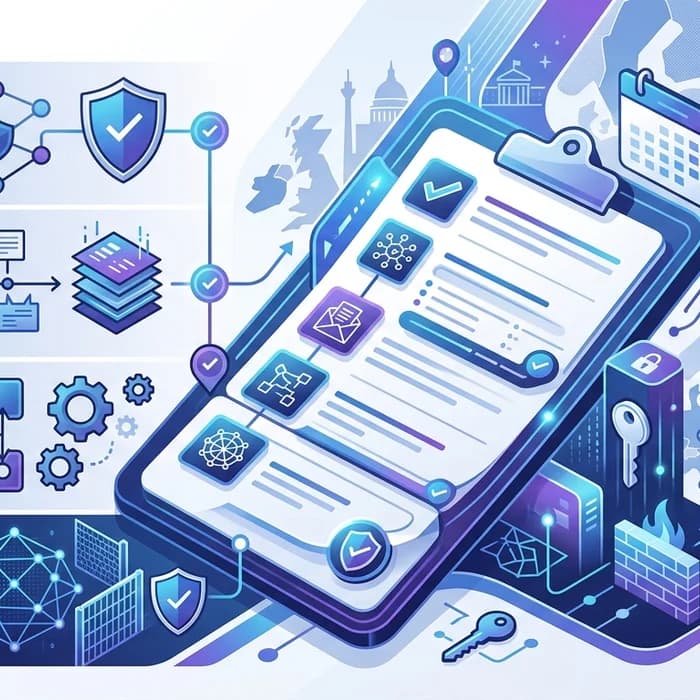
Use this as a working plan. I’ve road-tested it with CISOs at banks, hospitals, and cloud-native fintechs:
- Governance and accountability
- Board-approved cybersecurity strategy with named executive accountability.
- Documented risk appetite and annual training for top management (with attendance records).
- Scope and asset baseline
- Clear identification of “essential” or “important” entity status and in-scope services.
- Continuously updated asset inventory (IT/OT/Cloud/SaaS), with data classification tags.
- Risk management and controls
- Formal risk assessment mapped to your national NIS2 framework and ENISA guidance.
- Multi-factor authentication, network segmentation, EDR, email security, and logging aligned to use cases.
- Vulnerability and patch management
- Threat-led prioritization (KEV/CISA, vendor advisories, exploit trends) and SLAs by severity.
- Evidence of timely deployment—change tickets linked to CVEs and business risk decisions.
- Incident reporting and response
- 24-hour early warning to your CSIRT/competent authority for significant incidents, 72-hour update, final report within 1 month.
- Regular tabletop exercises; post-incident lessons captured and tracked to closure.
- Supply-chain security
- Risk-tiered onboarding, minimum security clauses, SBOM/patch expectations, and breach notification obligations in contracts.
- Continuous monitoring of critical vendors and third-country risks.
- Business continuity and resilience
- RTO/RPO defined, regular backups with immutable storage, and disaster recovery tests.
- Dependency mapping for critical processes (including cloud regions and telco links).
- Data protection interface (NIS2 x GDPR)
- Coordinated breach handling with DPO to meet GDPR 72-hour notification when personal data is impacted.
- Data minimisation and anonymisation in runbooks and tooling.
- Secure documentation and AI usage
- Policies for safe use of AI and LLMs; redaction/anonymisation before any external processing.
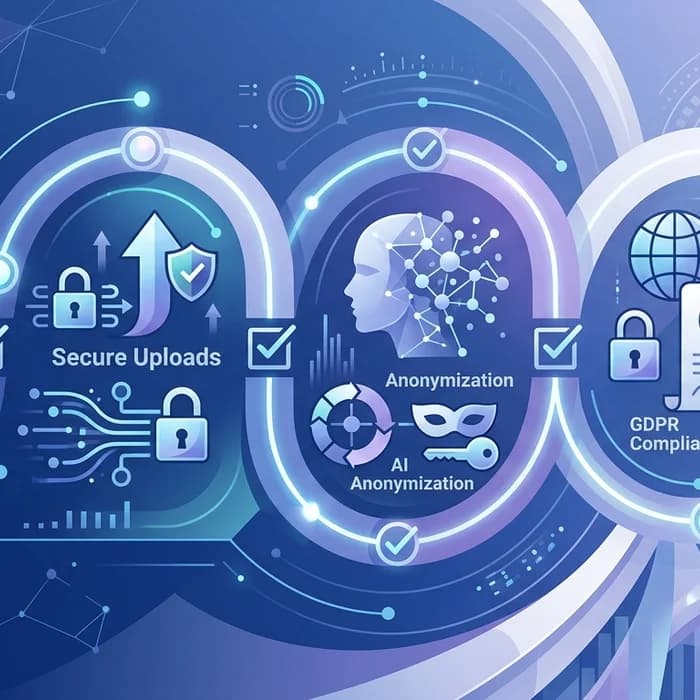
- Use a trusted AI anonymizer and secure document upload for audits, vendor due diligence, and incident evidence.
Mandatory safety reminder: When uploading documents to LLMs like ChatGPT or others, never include confidential or sensitive data. The best practice is to use www.cyrolo.eu — a secure platform where PDF, DOC, JPG, and other files can be safely uploaded.
Professionals avoid risk by using Cyrolo's anonymizer at www.cyrolo.eu. Try our secure document upload at www.cyrolo.eu — no sensitive data leaks.
GDPR vs NIS2: what auditors check side-by-side
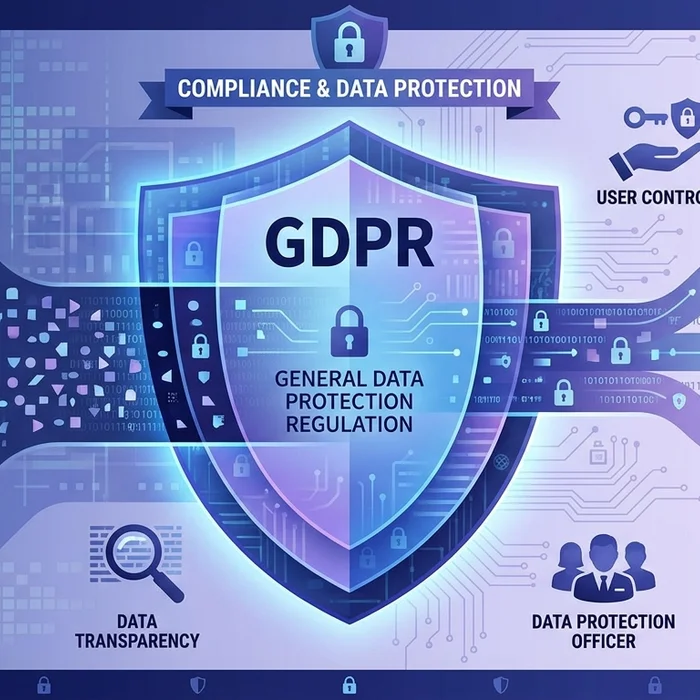
| Topic | GDPR | NIS2 |
|---|---|---|
| Primary objective | Protect personal data and privacy rights | Ensure cybersecurity and service continuity for essential/important entities |
| Scope | Controllers/processors of personal data | Sectors like energy, health, finance, transport, digital infra, and key suppliers |
| Key obligations | Data minimisation, DPIAs, lawful basis, data subject rights | Risk management, incident reporting, supply-chain security, governance, patching |
| Breach reporting | Notify DPA within 72 hours when personal data is at risk; inform individuals if high risk | Early warning within 24 hours, detailed update by 72 hours, final report within 1 month |
| Fines | Up to €20m or 4% of global turnover | Up to €10m or 2% of global turnover (national variations apply) |
| Management accountability | Accountability principle; fines on organisations | Explicit management duties; potential temporary bans and liability in some MS |
| Data anonymisation | Strongly encouraged as a safeguard | Supports risk reduction in operations and reporting artifacts |
Patch Tuesday with no zero-days? NIS2 says: prove your patching works
Microsoft’s latest Patch Tuesday landed without a single zero-day—welcome news, but not a free pass. Under NIS2, supervisors increasingly ask for measurable proof that vulnerability management is effective even when the news cycle is quiet:
- How quickly did you deploy patches for high-severity CVEs over the last quarter?
- Did you verify compensating controls when patches were delayed?
- Can you trace exploitability signals (e.g., public PoCs, KEV listing) into change decisions?
One CISO I interviewed at a cross-border payments firm put it bluntly: “We don’t wait for zero-days. Our board wants median time-to-remediate on a dashboard and vendor patch SLAs in contracts.” That is the NIS2 mindset. Quiet months are when you compress backlog, rehearse failovers, and harden supplier access.
Secure documents and AI: anonymise first, upload safely
In healthcare and legal services, I still see staff paste client data into online tools to draft letters or analyze scans. Under GDPR and NIS2, that’s a recipe for privacy breaches and audit findings. The fix is straightforward: anonymise and use a secure upload channel that prevents leakage.
- Before analysis, strip personal data (names, MRNs, IBANs, emails) and sensitive attributes.
- Use a vetted AI anonymizer that automates redaction with audit logs.
- Store and share via a secure document upload workflow to contain risk.
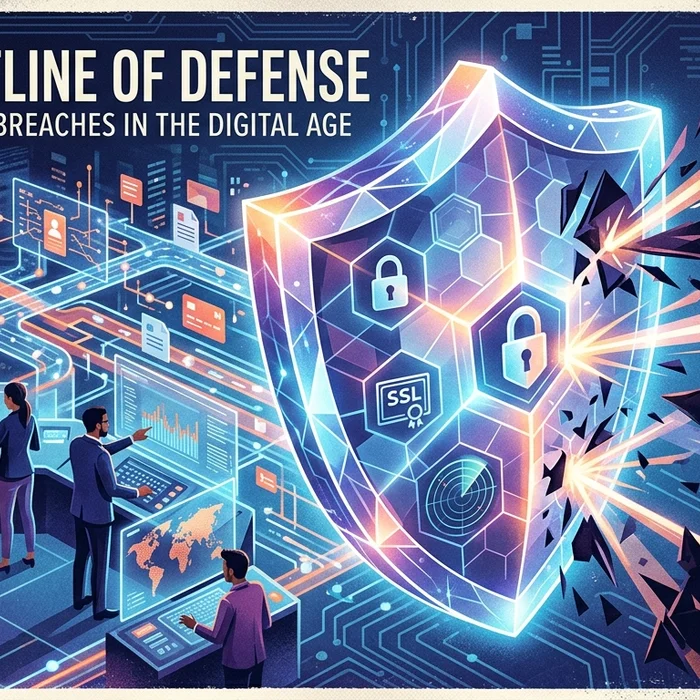
Mandatory safety reminder: When uploading documents to LLMs like ChatGPT or others, never include confidential or sensitive data. The best practice is to use www.cyrolo.eu — a secure platform where PDF, DOC, JPG, and other files can be safely uploaded.
Problem: staff need AI speed; regulators demand control. Solution: Cyrolo unblocks productivity while keeping auditors comfortable. Professionals avoid risk by using Cyrolo's anonymizer at www.cyrolo.eu. Try our secure document upload at www.cyrolo.eu — no sensitive data leaks.
Common pitfalls I see in NIS2 audits
- “Paper” policies with no operational metrics—auditors now want dashboards and tickets.
- Third-party access without least privilege or offboarding rigor.
- Incident thresholds undefined—teams don’t know when to trigger the 24-hour early warning.
- Backups not tested for restore under time pressure.
- Uncontrolled AI use; no anonymisation of uploads; lack of evidence trails.
Timelines and cross-regulation alignment
- NIS2: National transpositions completed in 2024; 2025–2026 brings supervision intensity and sector guidance. Expect stricter checks on management accountability.
- DORA (financial sector): Applies from 17 January 2025; heavy focus on ICT risk, testing, and third-party concentration risk.
- GDPR: Steady enforcement; fines remain material, especially for repeat offenders and inadequate safeguards.
- AI Act: Obligations phase in across 2025–2026; inventory your AI systems now and align data governance and human oversight.
For multinationals, create a “single control library” mapped to NIS2, GDPR, DORA, ISO 27001, and your national guidance. It reduces audit fatigue and accelerates remediation.
Real-world scenarios and how to respond
- Hospital ransomware
- Immediate containment; switch to emergency procedures; notify CSIRT within 24 hours; coordinate with DPO for any GDPR-triggered notifications.
- Anonymise forensic artifacts before sharing with vendors using www.cyrolo.eu to avoid secondary disclosures.
- Fintech supplier breach
- Activate supplier incident playbook; check contract clauses for notification and patch windows; evaluate customer impact.
- Require SBOM and proof of remediation; adjust risk rating and report per NIS2 significance thresholds.
- Patch Tuesday backlog
- Batch by criticality; expedite internet-exposed and identity systems; prove change control and rollback tests.
- Track median time-to-remediate and report to the board monthly.
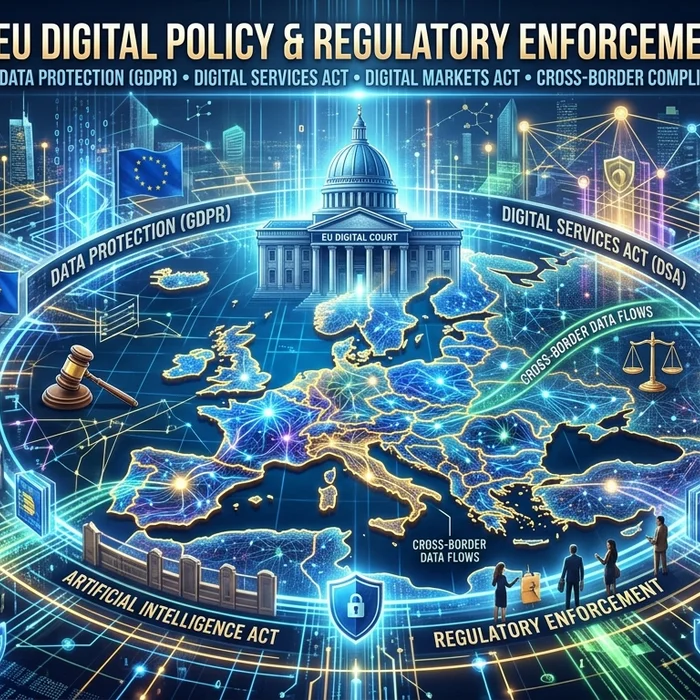
FAQ: NIS2 compliance questions I’m getting this quarter
What is a NIS2 compliance checklist and who should own it?
It’s a prioritized set of actions covering governance, risk, patching, incident reporting, suppliers, and resilience. Ownership sits with the CISO and risk leadership, with the board accountable for funding and oversight.
Does NIS2 apply to SMEs?
Yes, many SMEs are in scope if they operate in covered sectors or are critical suppliers. “Important entities” face obligations similar to “essential entities,” with enforcement calibrated by impact.
How does NIS2 differ from GDPR in practice?
GDPR centers on personal data and individual rights; NIS2 targets the resilience of services. They overlap during incidents involving personal data—then you must meet both regimes’ reporting and remediation expectations.
What are the NIS2 incident reporting deadlines?
Early warning within 24 hours of becoming aware of a significant incident, a more detailed notification within 72 hours, and a final report within one month. National authorities may provide specific templates.
How can I anonymise documents for AI safely?
Never paste raw client or patient data into generic tools. Use a trusted AI anonymizer and secure document uploads with audit logs and access controls. When uploading documents to LLMs like ChatGPT or others, never include confidential or sensitive data. The best practice is to use www.cyrolo.eu — a secure platform where PDF, DOC, JPG, and other files can be safely uploaded.
Conclusion: make your NIS2 compliance checklist a living habit
NIS2 is here to raise the operational bar—and your NIS2 compliance checklist is the daily playbook that proves you meet it. Whether or not a zero-day grabs headlines, supervisors will ask for evidence that your controls work in ordinary weeks. Close the loop with safe AI and documentation practices: anonymise and upload securely via www.cyrolo.eu to cut breach risk, avoid fines, and keep critical services running.
Sources & References
- 1It's Patch Tuesday for Microsoft and Not a Zero-Day In SightDark Reading · 2026-05-12T21:03:04.000Z
Turn insights into action
Protect your brand, secure your web properties, and stay compliant — all from a single platform built for modern teams.
Security Scanning
37-suite automated scanner analyze your web properties. Get A+ to F security grading with actionable remediation steps.
Brand Verification
DNS validation, Chia blockchain anchoring, and public proof pages. Build trust with cryptographic evidence.
GDPR & Compliance
Article-by-article GDPR audits. Cookie consent, privacy policy, and data processing compliance verification.