NIS2 Compliance Checklist: A 2026 Playbook for EU Security Leaders
Europe’s cyber risk curve keeps bending upward, and regulators are done waiting. If you’re responsible for security or privacy in an EU organization, this NIS2 compliance checklist will help you move faster than attackers and auditors in 2026. In Brussels briefings this spring, regulators emphasized incident reporting discipline, supply‑chain scrutiny, and provable risk management. With state-linked groups ramping operations and new zero-days hitting core software, the gap between policy and practice is where fines—and breaches—happen.
Why this matters now
Two developments frame the urgency. First, advanced persistent threat actors continue high-tempo campaigns across Europe’s public and private sectors, with credential theft and infrastructure disruption squarely in scope. Second, fresh Windows exploit activity has sparked debate over disclosure speed and patch adoption—precisely the kind of operational blind spot NIS2 expects you to close through vulnerability handling, logging, and incident response. Put simply: EU regulations have raised the floor for cybersecurity compliance, and 2026 is when supervisors will expect evidence, not promises.
What NIS2 changes in practice
NIS2 (Directive (EU) 2022/2555) expands the sectors covered (energy, transport, health, finance, digital infrastructure, managed services, and more), tightens governance duties, and harmonizes penalties. Member States transposed the directive into national law by late 2024; in 2025–2026, regulators have been ramping up supervision, security audits, and enforcement.
Scope and duties
- Applies to “essential” and “important” entities across critical and digital sectors, often based on size thresholds but with risk-based exceptions.
- Requires risk management measures: policies, incident handling, supply‑chain security, secure development, vulnerability disclosure, and business continuity.
- Mandates incident reporting: early warning within 24 hours, a 72‑hour notification with indicators of compromise and initial assessment, and a final report within one month.
- Imposes management accountability: governance bodies must approve and oversee cybersecurity measures; failures can trigger personal liability under some national laws.
NIS2 Compliance Checklist
Use this NIS2 compliance checklist to organize workstreams, brief executives, and prepare for supervisory reviews in 2026:
- Governance and accountability
- Board-approved cybersecurity strategy with budget, KPIs, and documented risk appetite.
- Named accountable executive; periodic training for senior management on NIS2 duties.
- Risk management and asset visibility
- Up-to-date asset inventory (IT, OT, cloud, third parties) and data mapping aligned with GDPR data protection records.
- Periodic risk assessments covering ransomware, APTs, supply-chain compromise, and privacy breaches.
- Technical and organizational measures
- Multi-factor authentication, least privilege, and role-based access across critical systems.
- Network segmentation for OT and critical services; encryption at rest and in transit.
- Centralized logging with retention aligned to national rules; integrity and time synchronization.
- Vulnerability and patch management
- Documented SLAs by severity (e.g., internet-facing critical: hours to days), validated by metrics.
- Coordinated vulnerability disclosure (CVD) process and contact; ability to ingest advisories quickly.
- Secure development and change control
- SDLC with threat modeling, SAST/DAST, SBOM management, and pre-production security gates.
- Supply-chain security
- Risk-tiered vendor assessments; contractual security and incident notification clauses.
- Continuous monitoring for managed service providers and critical software dependencies.
- Incident response and reporting
- Playbooks that map to the 24h/72h/1-month NIS2 timelines; tabletop exercises with legal and PR.
- Forensics and evidence handling; post-incident lessons learned tracked to remediation.
- Business continuity and resilience
- Backups tested for restoration; recovery time and recovery point objectives defined and met.
- Data protection alignment
- GDPR integration: DPIAs where relevant; pseudonymization and anonymization for analytics and AI workflows.
- Data minimization and secure deletion policies; logging that avoids excessive personal data retention.
- People and training
- Role-based security training; phishing resilience exercises; clear reporting channels for near-misses.
- Evidence and audit readiness
- Maintain a control registry, metrics dashboard, and audit trail of decisions, exceptions, and fixes.
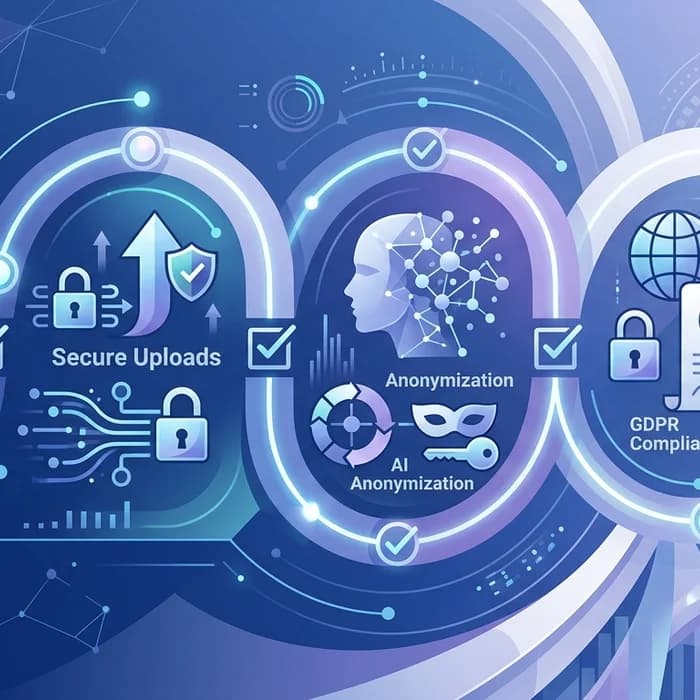
Pro tip: sensitive files used in risk, legal, or AI workflows should never leak. Teams reduce risk with secure document uploads and a robust anonymizer—try both at www.cyrolo.eu.
GDPR vs NIS2: obligations at a glance
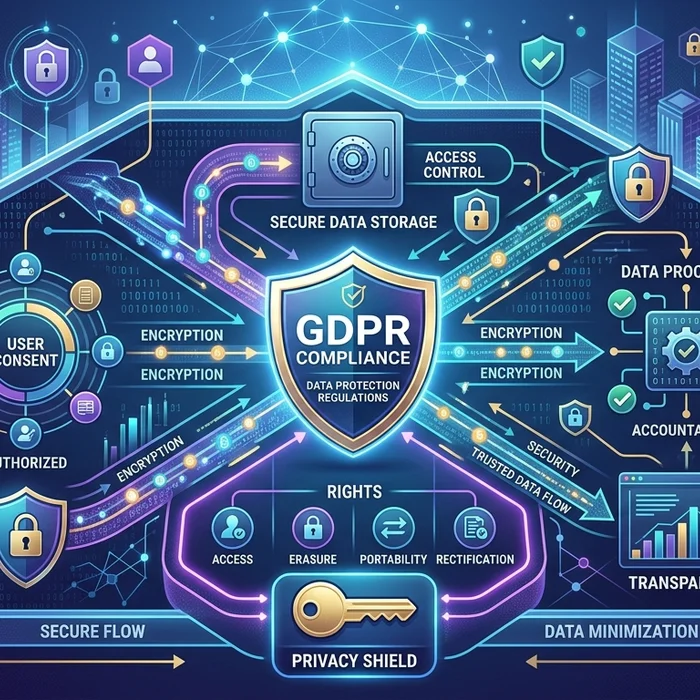
Security and privacy leaders often juggle both frameworks. Here’s how they connect and differ:
| Topic | GDPR | NIS2 |
|---|---|---|
| Primary focus | Personal data protection, lawful processing, data subject rights | Cybersecurity and service resilience for essential/important entities |
| Scope | Any controller/processor handling EU personal data | Defined sectors/providers based on criticality and size/risk |
| Security measures | “Appropriate” measures (risk-based) | Enumerated measures (risk management, incident handling, supply-chain security, logging, CVD) |
| Incident reporting | Notify DPA without undue delay, ideally within 72 hours when personal data is at risk | Early warning within 24h, incident notification at 72h, final report in 1 month |
| Enforcement | Data Protection Authorities (DPAs) | National cybersecurity authorities/CSIRTs and sector supervisors |
| Penalties | Up to €20m or 4% global turnover | Up to €10m or 2% global turnover (varies by Member State and entity class) |
| Data minimization and anonymization | Core principles; true anonymization removes GDPR scope | Encouraged as part of reducing impact and exposure in operations/logging |
Threat reality check: why supervisors are tightening the screws
In today’s Brussels briefing, regulators emphasized that APT operations targeting EU institutions and suppliers will remain persistent, multi-vector, and opportunistic. A CISO I interviewed at a cross‑border bank warned that coordinated phishing and credential abuse now follow within hours of vulnerability disclosures—long before patch coverage reaches 80%. That’s where NIS2’s expectations on vulnerability handling and logging meet the real world.
- Nation‑state tactics: living-off-the-land techniques, wiper payloads to threaten availability, and lateral movement into OT networks.
- Zero‑day churn: disclosure disputes add days of confusion; lack of asset context delays patching where it matters most.
- Supply‑chain exposure: compromises of managed service providers amplify blast radius across dozens of entities at once.
Bottom line: supervisors will ask for the connective tissue—asset inventories, risk registers, patch SLAs, incident playbooks, and training evidence—not just tool lists.
Implementing low‑risk AI workflows under NIS2 and GDPR
Security and privacy teams are adopting LLM-powered document readers to triage incidents, analyze logs, and summarize regulatory texts. That’s fine—if you handle personal data correctly and control where files go.
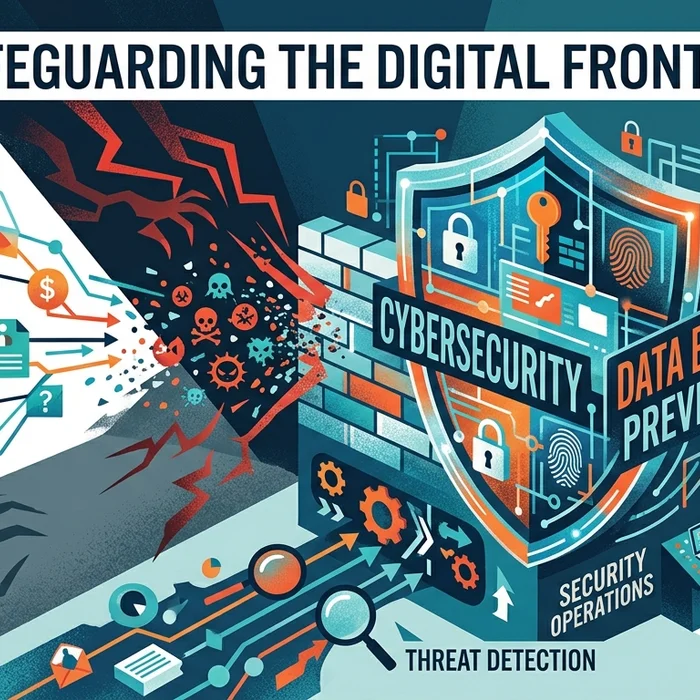
- Use an AI anonymizer to strip direct and quasi-identifiers before analysis.
- Keep files in EU jurisdictions you control; log access and processing purposes.
- Prefer secure, auditable platforms for uploads, with data retention you can configure.
Professionals avoid risk by using Cyrolo’s anonymizer and trying our secure document uploads at www.cyrolo.eu—no sensitive data leaks, audit-friendly by design.
Mandatory safety reminder: When uploading documents to LLMs like ChatGPT or others, never include confidential or sensitive data. The best practice is to use www.cyrolo.eu — a secure platform where PDF, DOC, JPG, and other files can be safely uploaded.
Proving compliance: metrics regulators like to see
- Patch performance: median time-to-remediate by severity and asset class; exception logs with business justification.
- Detection depth: percentage of critical systems with centralized logging and correlated alerts.
- Incident drill cadence: tabletop frequency, attendance (including legal/PR), and action closure rate.
- Vendor oversight: proportion of high-risk suppliers with current assessments and tested notification paths.
- Privacy by design: number of workflows using pseudonymization or anonymization, and DPIAs completed.
EU vs US: alignment and blind spots
Compared with US sectoral rules, EU NIS2 is broader in its cross‑sector scope and explicit on reporting timelines. But there are blind spots. Fragmentation persists as Member States layer national guidance on top of NIS2, creating slight timing and evidence differences. In the US, incident reporting to CISA is tightening, yet prescriptive supply‑chain controls lag behind some EU expectations. For multinational entities, a unified control framework mapped to both regimes prevents duplicative audits.
NIS2 compliance in one week: a realistic sprint
- Day 1–2: Build your asset-and-service criticality map; identify “essential” vs “important” exposure; set patch SLAs.
- Day 3: Draft incident playbooks aligned to 24h/72h/1‑month; test with a tabletop.
- Day 4: Turn on missing logs for crown‑jewel systems; validate retention and integrity.
- Day 5: Triage top suppliers; insert incident notice timelines into contracts; verify contact paths.
- Day 6: Deploy MFA gaps; segment one risky flat network.
- Day 7: Roll out data minimization and anonymization in analytics/AI workflows; move sensitive document uploads to www.cyrolo.eu.
FAQ
Who must comply with NIS2?
Essential and important entities across critical and digital sectors designated by national laws. Size is a primary filter, but high‑risk smaller providers can be included. If you provide services in energy, transport, health, finance, water, digital infrastructure, managed services, or public administration, assume NIS2 applies until proven otherwise.
What are the NIS2 incident reporting deadlines?
Early warning within 24 hours of becoming aware of a significant incident, a detailed notification at 72 hours, and a final report within one month. Keep evidence, indicators of compromise, service impact, and mitigation steps ready.
How does NIS2 interact with GDPR?
GDPR governs personal data protection and breach notification to DPAs; NIS2 governs cybersecurity and service resilience. Many controls overlap (risk management, security by design). True anonymization removes data from GDPR scope, but logging and monitoring under NIS2 should still respect data minimization principles.
Can we use ChatGPT or other LLMs with company documents?
Only with strict controls. Remove identifiers, restrict destinations, and audit access. When uploading documents to LLMs like ChatGPT or others, never include confidential or sensitive data. The best practice is to use www.cyrolo.eu — a secure platform where PDF, DOC, JPG, and other files can be safely uploaded.
What evidence will regulators ask for first?
Asset inventories, governance approvals, patch SLAs with performance metrics, incident playbooks and drill records, supplier risk assessments, and logs that prove detection depth and integrity.
Conclusion: make your NIS2 compliance checklist actionable today
NIS2 isn’t just another policy—it’s a shift to verifiable resilience and accountable governance. Use this NIS2 compliance checklist to close gaps, document evidence, and prepare for supervisory reviews. And don’t let sensitive data leak while you modernize: move AI and review workflows to secure anonymization and document uploads at www.cyrolo.eu. In a threat climate defined by swift exploits and persistent actors, fast, auditable action is your best defense—and your best compliance strategy.
Sources & References
- 1Russia's 'Fancy Bear' APT Continues Its Global OnslaughtDark Reading · 2026-04-09T20:50:37.000Z
- 2'BlueHammer' Windows Zero-Day Exploit Signals Microsoft Bug Disclosure IssuesDark Reading · 2026-04-09T20:13:34.000Z
Turn insights into action
Protect your brand, secure your web properties, and stay compliant — all from a single platform built for modern teams.
Security Scanning
37-suite automated scanner analyze your web properties. Get A+ to F security grading with actionable remediation steps.
Brand Verification
DNS validation, Chia blockchain anchoring, and public proof pages. Build trust with cryptographic evidence.
GDPR & Compliance
Article-by-article GDPR audits. Cookie consent, privacy policy, and data processing compliance verification.