NIS2 compliance after high-profile hacks: what the FBI Director email breach and a wiper attack mean for EU companies
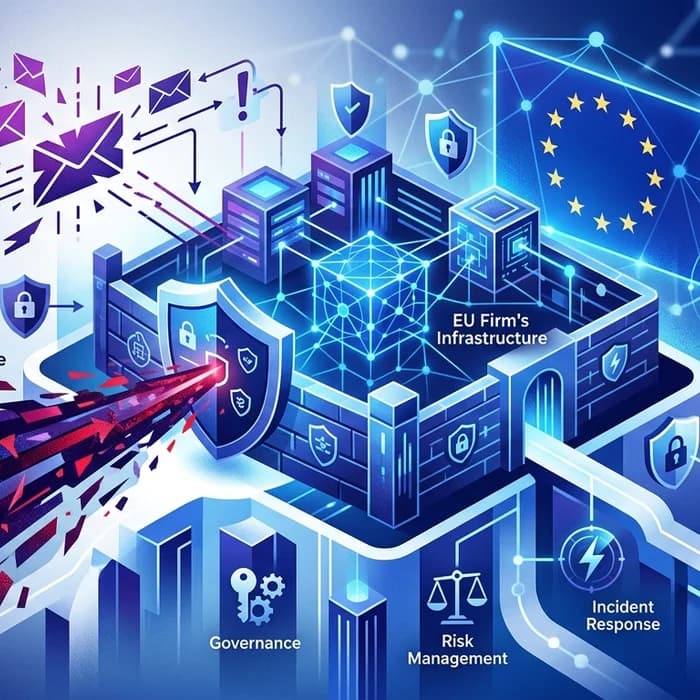
Two headlines reverberated through security teams this week: reports of an Iran-linked compromise of the FBI Director’s personal email and a destructive wiper hitting a major medical technology firm. For EU organizations, these incidents are more than distant drama—they are a live-fire test of NIS2 compliance, GDPR readiness, and board accountability. In today’s Brussels briefing, regulators emphasized that incident response discipline, log integrity, and cross-border reporting are the new minimum standard. Here’s how to translate that into concrete steps that reduce risk, pass audits, and protect personal data.
NIS2 compliance in 2026: where the bar now sits
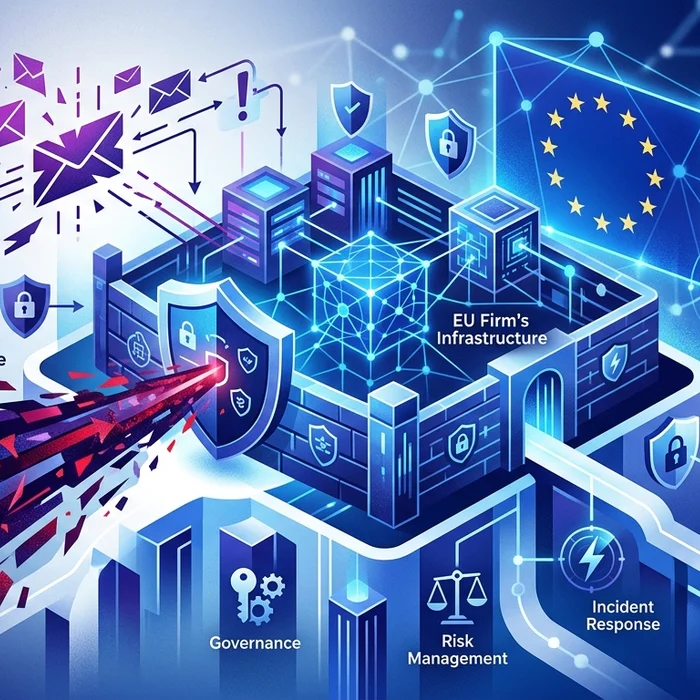
By 2026, Member State transpositions of the NIS2 Directive are in force across the EU, with regulators actively testing preparedness through inspections and simulated drills. If you are designated an essential or important entity (think: healthcare, finance, energy, transport, digital infrastructure, managed service providers, and numerous mid-market suppliers), you must be able to demonstrate:
- Early-warning to your national CSIRT/competent authority within 24 hours of becoming aware of a significant incident, with a follow-up at 72 hours and a final report at one month.
- Documented risk management measures, including multi-factor authentication (MFA), network segmentation, backup and recovery, logging and monitoring, supply-chain security, and vulnerability disclosure policies.
- Board-level oversight, security awareness, and the ability to produce decision logs. Management can face sanctions for gross negligence.
- Evidence of security audits, testing, and continuous improvement—especially after material incidents.
Sanctions under NIS2 can reach the higher of €10 million or 2% of global turnover for essential entities, with important entities facing the higher of €7 million or 1.4%—Member State law specifies exact thresholds. GDPR’s parallel regime for personal data adds up to €20 million or 4% of global turnover for severe infringements. The combined exposure is real—and rising.
What the FBI Director email breach and wiper attack teach us
I spoke with a CISO at a European hospital group who put it bluntly: “If a top U.S. law-enforcement official can have a personal account compromised, assume your VIPs are being phished and SIM-swapped daily.” The two incidents surface four actionable lessons for EU operators:
- Email and identity are the crown jewels. Personal accounts spill into corporate risk via forwarding rules, weak recovery flows, and contact harvesting. Enforce MFA (preferably phishing-resistant), disable legacy protocols, monitor for abnormal OAuth grants, and audit VIP mailbox rules weekly.
- Wipers change the math from incident to crisis. Destructive malware shifts priorities to resilience: immutable backups, segmented admin domains, offline recovery exercises, and rehearsed failover for clinical, industrial, or trading systems. Logs must be tamper-evident.
- Supplier and MSA clauses matter. A wiper in a healthcare manufacturer can cascade to hospitals or distributors. Update vendor contracts to include NIS2-equivalent controls, breach notification within agreed windows, and evidence of secure development lifecycle (SDL).
- Evidence hygiene is part of compliance. You need to share indicators of compromise (IOCs) with investigators and regulators without leaking personal data. This is where robust anonymization and controlled document-sharing workflows become essential.
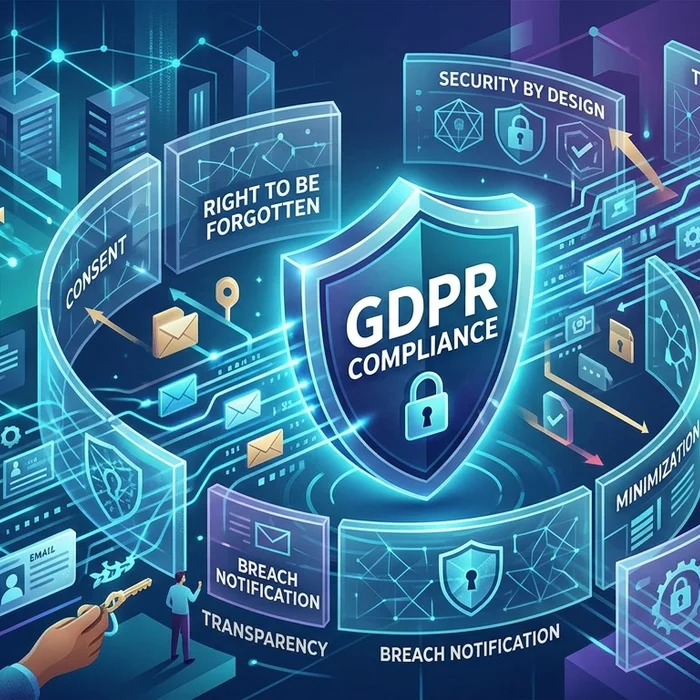
GDPR vs NIS2: obligations, triggers, and timelines compared
| Topic | GDPR | NIS2 |
|---|---|---|
| Scope | Personal data processing by controllers/processors in the EU (or targeting EU data subjects) | Network and information systems of essential and important entities in specified sectors and sizes |
| Incident trigger | Personal data breach likely to result in a risk to rights and freedoms | Any incident that significantly impacts service provision, security, or has cross-border/societal effects |
| Reporting deadlines | Supervisory Authority within 72 hours (if required); affected individuals without undue delay when high risk | Early warning within 24 hours to CSIRT/authority; status report at 72 hours; final report within one month |
| Governance | DPIAs, RoPA, DPO (where required), processor due diligence | Board oversight and accountability, security policies, audits, supply-chain risk management |
| Sanctions | Up to €20M or 4% global turnover | Up to €10M/2% (essential) and €7M/1.4% (important), plus management measures per national law |
| Evidence expectations | Demonstrate privacy by design/default; lawful basis; breach assessment and notification rationale | Show technical and organizational measures, incident timelines, logs, forensics, and lessons learned |
NIS2 compliance checklist you can action this quarter
- Map essential/important entity status across your EU footprint; confirm competent authorities and CSIRTs.
- Document severity criteria and internal playbooks for the 24h/72h/1-month reporting cadence.
- Harden identity: phishing-resistant MFA, conditional access, privileged access management, and VIP monitoring.
- Implement segmented, immutable, and regularly tested backups; include destructive-attack recovery drills.
- Centralize logging with integrity controls; retain forensic data for regulator scrutiny.
- Secure email: disable legacy auth, monitor forwarding rules, validate DKIM/DMARC, and educate executives.
- Run supplier risk reviews; update contracts with NIS2-equivalent controls and incident-sharing obligations.
- Prepare regulator-ready evidence packs—anonymized where possible to reduce privacy exposure.
- Train the board and certify role-based security awareness; record attendance and test outcomes.
- Conduct a joint GDPR–NIS2 tabletop exercise using an email-takeover + wiper scenario.
How to share evidence safely: anonymization and secure document uploads
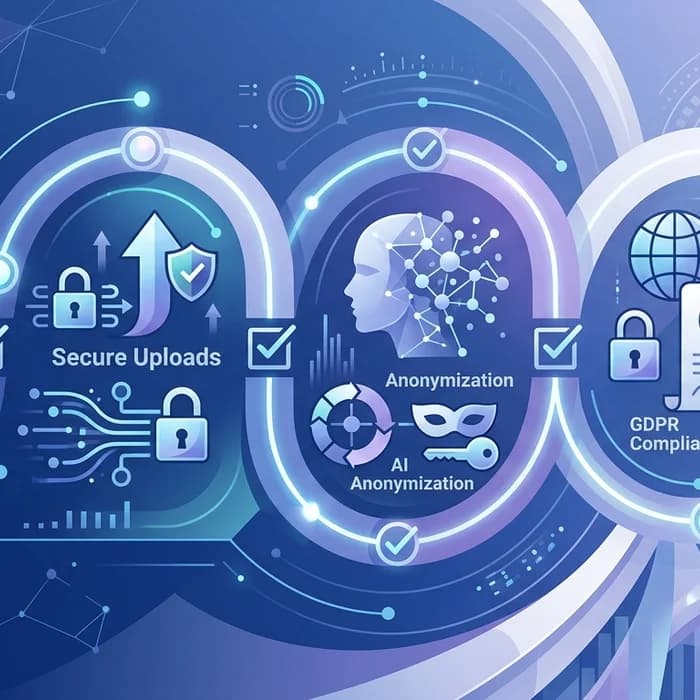
Whether you’re briefing your CSIRT, outside counsel, insurers, or a regulator, you’ll move documents fast: logs, screenshots, mail headers, HR notes, supplier contracts, even medical or financial records. Each artifact risks exposing personal data. Reduce exposure by stripping identifiers before sharing.
- Use an AI anonymizer to redact names, emails, phone numbers, IBANs, IDs, and free-text PII in seconds—without breaking context for investigators.
- Adopt a secure document upload workflow with access controls, audit trails, and no data retention beyond what you approve.
- Keep a clean chain of custody: versioning, hashes, and restricted recipient lists.
Professionals avoid risk by using Cyrolo’s anonymizer at www.cyrolo.eu. Try our secure document upload at www.cyrolo.eu — no sensitive data leaks.
Compliance note. When uploading documents to LLMs like ChatGPT or others, never include confidential or sensitive data. The best practice is to use www.cyrolo.eu — a secure platform where PDF, DOC, JPG, and other files can be safely uploaded.
Regulatory temperature check: EU vs US
In conversations this month with two national authorities, I heard the same refrain: “Show your work.” European regulators want to see evidence that management set risk appetite, funded controls, and rehearsed reporting. Meanwhile, in the United States, enforcement has intensified under sectoral rules (e.g., healthcare privacy/security requirements and new public-company incident disclosure obligations). But the EU’s combination of NIS2 and GDPR places uniquely explicit responsibilities on executive management and supply chains—especially relevant to healthcare and fintechs watching the wiper and email-takeover headlines.
- EU: Coordinated supervision across sectors; strong fine levers; mandatory cross-border information sharing.
- US: Sector-based requirements and disclosure pressure; increasing focus on executive accountability.
- Global takeaway: Prove resilience, document your decisions, and sanitize data you share.
Blind spots that keep causing fines and breaches
- Shadow AI and unvetted uploads. Staff paste logs into random LLMs to “get help,” leaking personal data and secrets. Standardize on a vetted tool and add DLP guardrails. Use www.cyrolo.eu to control and anonymize what leaves your boundary.
- VIP personal accounts. Executives’ private inboxes auto-forwarding to corporate or used for approvals—prime targets for attackers. Bring them under your risk program.
- Third-country processors. Cloud and MSSP contracts missing EU-standard clauses or audit rights; fix with addenda and ongoing assurance, not one-off questionnaires.
- Logs that dox users. Debug and access logs stored in plaintext with full identifiers. Minimize, tokenize, and mask where possible; anonymize before external sharing.
- Unrehearsed wiper recovery. Backups exist but are not immutable, segmented, or tested against destructive scenarios. Run quarterly restore drills.
Real-world playbook: 72 hours after a dual email takeover + wiper incident
- Hour 0–6: Contain identity (revoke tokens, reset creds, disable legacy auth); isolate affected networks; engage IR partner; snapshot volatile evidence; activate legal/compliance.
- Hour 6–12: Classify severity; prepare the NIS2 early-warning notification; begin GDPR assessment for any personal data breach; launch wiper recovery plan and verify backups.
- Hour 12–24: Notify CSIRT/competent authority (NIS2 24h); preserve and anonymize sharable IOCs and logs for partners. Use www.cyrolo.eu to anonymize and securely share artifacts.
- Hour 24–48: Issue status report (72h window) with scope, impact, mitigations; notify data protection authority within 72 hours if GDPR thresholds are met.
- Hour 48–72: Stabilize services; start supplier impact checks; prepare stakeholder communications; plan your one-month final report.
FAQs on NIS2 compliance, GDPR, and secure document handling
What incidents must be reported under NIS2, and how fast?
Significant incidents affecting the provision of services, security, or with cross-border impact must be reported. Send an early warning to your national CSIRT/competent authority within 24 hours of awareness, a status report around 72 hours, and a final report within one month.
How do GDPR and NIS2 interact during a breach?
They can both apply. If personal data is at risk, GDPR’s 72-hour notification to the data protection authority may trigger, alongside NIS2’s 24-hour early warning. Align your playbooks so legal, security, and privacy teams coordinate a single evidence base.
What’s the safest way to share logs, screenshots, and contracts with investigators?
Anonymize personal data, restrict recipients, and keep an audit trail. Use a secure document upload workflow with access controls. Many teams rely on www.cyrolo.eu to anonymize and share without data leakage.
Can management be held personally accountable under NIS2?
Yes. NIS2 elevates board oversight duties. National laws may allow management-level sanctions and require security training. Keep minutes, decisions, and budget rationales to show diligence.
Is using AI to summarize incident documents safe?
Only if you control the environment and remove sensitive data. Never paste confidential material into public LLMs. When uploading documents to LLMs like ChatGPT or others, never include confidential or sensitive data. The best practice is to use www.cyrolo.eu — a secure platform where PDF, DOC, JPG, and other files can be safely uploaded.
Bottom line: make NIS2 compliance your resilience engine
The week’s headline breaches underscore a simple truth: attackers prize email and identity, and when they fail, they torch systems. Treat NIS2 compliance as your operational backbone—tight identity controls, wiper-ready recovery, supply-chain discipline, and regulator-grade evidence that respects GDPR. Standardize anonymization and secure document uploads with www.cyrolo.eu, and you’ll reduce fines, speed response, and protect people. The next incident’s clock will start without warning; prepare now.
Sources & References
- 1Iran-Linked Hackers Breach FBI Director’s Personal Email, Hit Stryker With Wiper AttackThe Hacker News · 2026-03-28T15:40:00.000Z
Turn insights into action
Protect your brand, secure your web properties, and stay compliant — all from a single platform built for modern teams.
Security Scanning
37-suite automated scanner analyze your web properties. Get A+ to F security grading with actionable remediation steps.
Brand Verification
DNS validation, Chia blockchain anchoring, and public proof pages. Build trust with cryptographic evidence.
GDPR & Compliance
Article-by-article GDPR audits. Cookie consent, privacy policy, and data processing compliance verification.