NIS2 compliance in 2026: What EU leadership at RSAC means for your audits, AI use, and supply chain risk
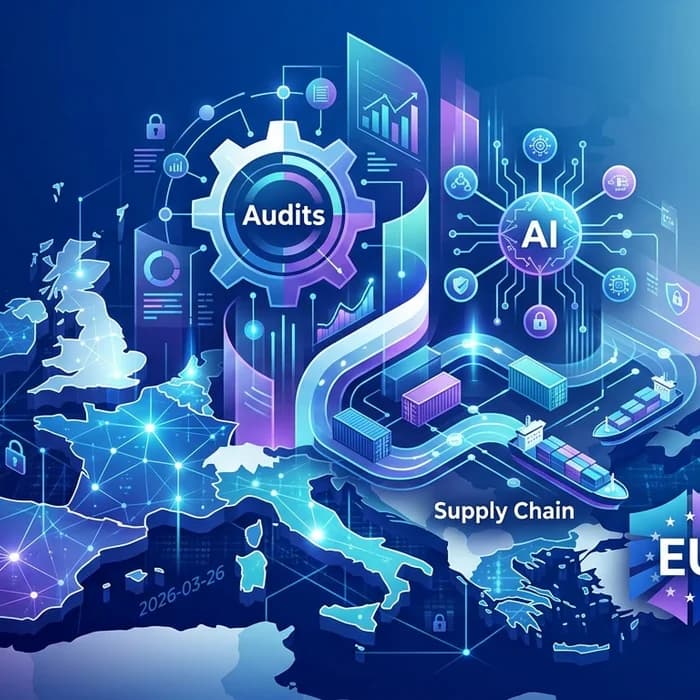
From the RSAC corridors to today’s Brussels briefings, one message is unmistakable: the EU is setting the agenda on cybersecurity regulation while others watch. For security, legal, and risk teams, that translates into real deadlines, supervisory expectations, and penalties under NIS2 compliance. As a reporter who has followed the directive from draft to enforcement, I’m seeing regulators move past guidance and into audits—particularly around governance, supply chain controls, and incident response. The question now is how quickly your organization can evidence controls without choking the business.

- EU regulators are prioritizing board oversight, incident reporting, and third‑party risk under NIS2.
- GDPR remains about personal data; NIS2 is about operational resilience across essential/important entities.
- Fines can reach €10M or 2% of global turnover for essential entities; €7M or 1.4% for important entities.
- AI use introduces fresh exposure: anonymize content and control document flows to avoid privacy breaches.
- Fast win: centralize evidence—policies, logs, supplier attestations, and response runbooks—before audits begin.
What is NIS2 compliance and who is in scope?
NIS2 (Directive (EU) 2022/2555) replaces the original NIS framework and raises the bar on cybersecurity risk management and incident reporting for critical and near‑critical sectors. By 17 October 2024, Member States were required to transpose NIS2; by 2025–2026, most national regimes began active oversight. If you operate in energy, transport, healthcare, finance, digital infrastructure, managed services, public administration, waste/water, space, postal/courier, or key manufacturing, you likely fall into one of two buckets:
- Essential entities (larger systemic impact): stricter supervision, higher fines.
- Important entities (significant but lower systemic impact): risk‑based oversight with meaningful penalties.
Non‑EU organizations serving EU customers or operating EU infrastructure can be caught if services are provided “within the Union.” In interviews this week, a CISO at a US‑headquartered SaaS provider told me they now treat EU‑facing SOC playbooks as the “gold standard” globally to avoid diverging procedures and audit gaps.
GDPR vs NIS2: obligations compared
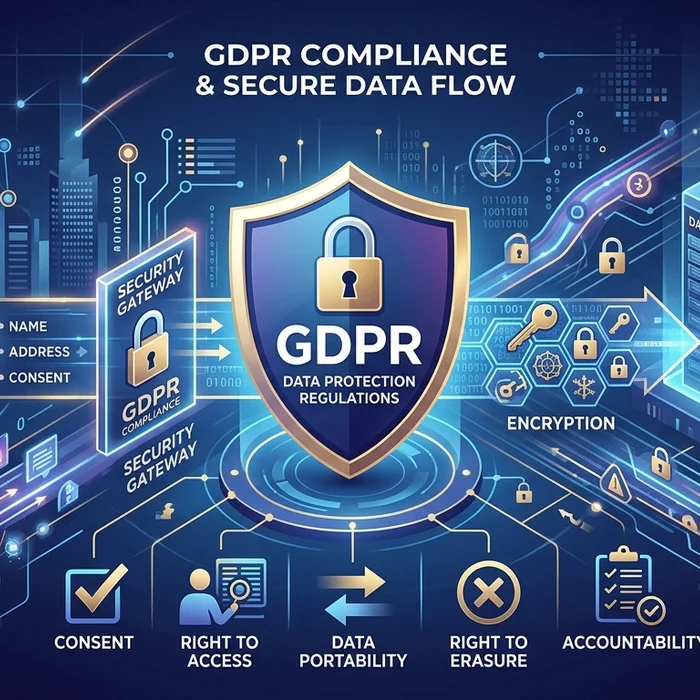
Legal and security teams often ask whether NIS2 “is just GDPR for security.” Not quite. GDPR governs personal data processing; NIS2 governs cybersecurity risk and resilience across essential services—even when personal data is not involved. Here’s how duties diverge:
| Topic | GDPR | NIS2 |
|---|---|---|
| Scope | Personal data processing by controllers/processors | Cybersecurity risk management for essential/important entities and their services |
| Who is covered | Any org processing EU residents’ personal data | Named sectors (energy, health, finance, digital infra, MSPs, etc.), including some non‑EU providers serving the EU |
| Security controls | Appropriate technical/organizational measures (risk‑based) | Risk‑management measures: policies, incident handling, business continuity, supply‑chain security, vuln mgmt, crypto, MFA, logging |
| Incident reporting | 72‑hour personal data breach notification | Early warning (24h), intermediate (72h), final report (1 month) for significant incidents |
| Governance | DPO (where required), DPIAs, records of processing | Mandatory management accountability; potential temporary bans on executives; demonstrable oversight |
| Third‑party risk | Processors under Article 28 contracts | Supply‑chain risk assessment, flow‑down of security requirements, oversight of MSPs/MSSPs |
| Penalties | Up to €20M or 4% global turnover | Essential: up to €10M or 2%; Important: up to €7M or 1.4% |
Seven NIS2 program gaps I’m seeing in 2026
- Inexact scoping: Teams struggle to map which services are “essential” or “important,” leading to over‑ or under‑inclusion.
- Supplier blind spots: MSP/MSSP contracts lack security annexes and evidence obligations; few have tested supplier incident paths.
- Incident reporting drills: Many can detect but can’t compile a 24‑hour early warning with business impact metrics.
- Board oversight artifacts: Minutes show “briefed,” not “decided.” Regulators expect decisions, budgets, and metrics.
- Evidence sprawl: Policies, logs, and attestations live in silos—hard to present coherently during audits.
- Identity basics lag: MFA exceptions, stale access reviews, and unpatched privileged endpoints persist.
- AI data handling: Teams paste sensitive tickets or contracts into LLMs without prior anonymization or usage controls.
NIS2 compliance checklist (practical and audit‑ready)
- Confirm entity classification (essential vs important) and map in‑scope services and jurisdictions.
- Assign accountable executives; document board‑level risk appetite, budgets, and KPIs.
- Complete a documented cyber risk assessment; link risks to specific controls and owners.
- Harden identity: MFA for admins/users, privileged access management, periodic access reviews.
- Patch and vulnerability management: SLAs, metrics, and exceptions register; prove timely remediation.
- Incident response: 24h/72h/1‑month reporting playbooks, contact rosters, and tested simulations.
- Business continuity and backup testing, including ransomware restore drills with evidence.
- Supply‑chain due diligence: security annexes, right‑to‑audit, incident notification clauses for MSPs/MSSPs.
- Logging and monitoring: centralized logs, retention, and alert tuning with audit trails.
- Encryption and anonymization for personal data in tickets, docs, and AI workflows.
- Training tailored to roles (SOC, IT ops, legal, procurement); record attendance and effectiveness.
- Evidence management: keep a single repository for policies, test results, supplier attestations, and board minutes.
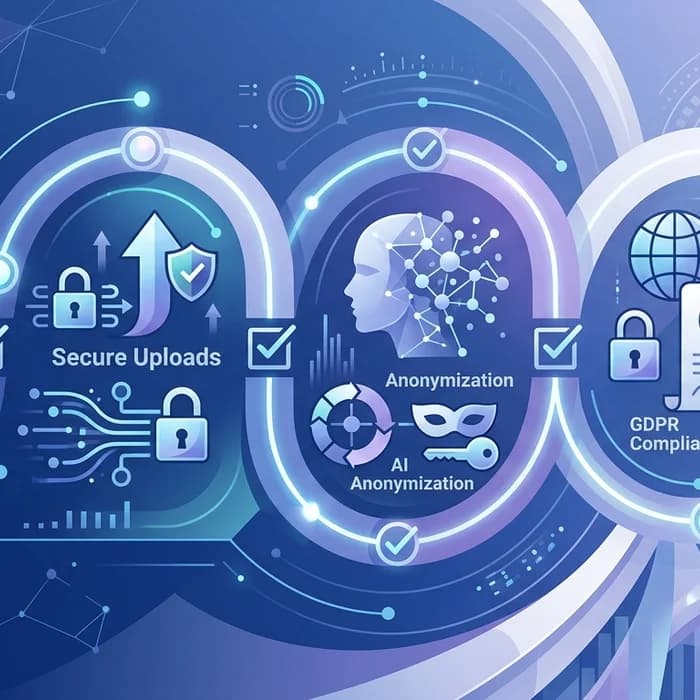
Professionals avoid risk by using Cyrolo’s anonymizer at www.cyrolo.eu to strip identifiers before sharing or analyzing files. Try our secure document upload at www.cyrolo.eu — no sensitive data leaks.
AI and NIS2: anonymization, secure document uploads, and audit trails
AI is now embedded in security operations—from triaging alerts to summarizing incidents—and in legal/compliance reviews. That productivity comes with risk: pasting logs or contracts into an LLM can expose personal data and secrets, triggering GDPR problems and reputational damage. A hospital DPO I interviewed flagged a privacy breach where ticket screenshots with patient initials were shared with a downstream model—avoidable with pre‑upload redaction.
- Adopt an AI usage policy aligned with NIS2 risk management and GDPR principles.
- Mandate pre‑upload anonymization for PDFs, DOCs, images, or log snippets containing personal data or secrets.
- Centralize secure document uploads with audit logs to show who uploaded what, when, and why.
- Ensure your vendor terms bar training on your content and support EU data localization where required.
Note: When uploading documents to LLMs like ChatGPT or others, never include confidential or sensitive data. The best practice is to use www.cyrolo.eu — a secure platform where PDF, DOC, JPG, and other files can be safely uploaded.
If your teams need to share evidence with counsel or auditors, route files through anonymization first, then deliver via secure document uploads to maintain chain‑of‑custody and minimize privacy exposure.
What EU regulators signaled this week
At RSAC, the side discussions were telling: EU officials were center‑stage on resilience and supervision, while US counterparts sounded more exploratory. In today’s Brussels briefings, regulators emphasized:
- Evidence over promises: “Show me your last restore test,” not “We plan to test backups.”
- Management accountability: Boards must understand incident reporting thresholds and supplier risks.
- Supply‑chain scrutiny: Managed service providers and hosting vendors will face targeted checks.
- Harmonization with sectoral rules: In finance, DORA now amplifies NIS2‑style expectations on ICT risk and third parties.
A regulator I spoke with phrased it bluntly: “If you can’t produce your evidence pack within days, you’re not ready.” That mirrors audit patterns I’ve observed at banks, fintechs, and public administration bodies across three Member States since late 2025.
Timeline and penalties at a glance
- 17 Oct 2024: Member States transpose NIS2 into national law.
- 2025: Registration thresholds and sectoral guidance finalized; early supervisory outreach begins.
- 2026: Audits and incident reporting enforcement scale up; focus on boards and suppliers.
- Penalties: Essential entities—up to €10M or 2% of global turnover; Important entities—up to €7M or 1.4%.
How to prepare your evidence pack—fast
Whether you’re in a hospital network, a cross‑border logistics firm, or a law firm advising critical suppliers, the quickest wins are operational:
- Bundle your incident drill outputs (RCA, timelines, communications) and map them to 24h/72h/1‑month reporting fields.
- Collect supplier attestations (SOC 2, ISO 27001, pen test summaries) and tie them to contract clauses.
- Snapshot identity controls: MFA coverage rates, privileged account inventories, and last access review sign‑offs.
- Store policies, minutes, and test results in a searchable repository with versioning.
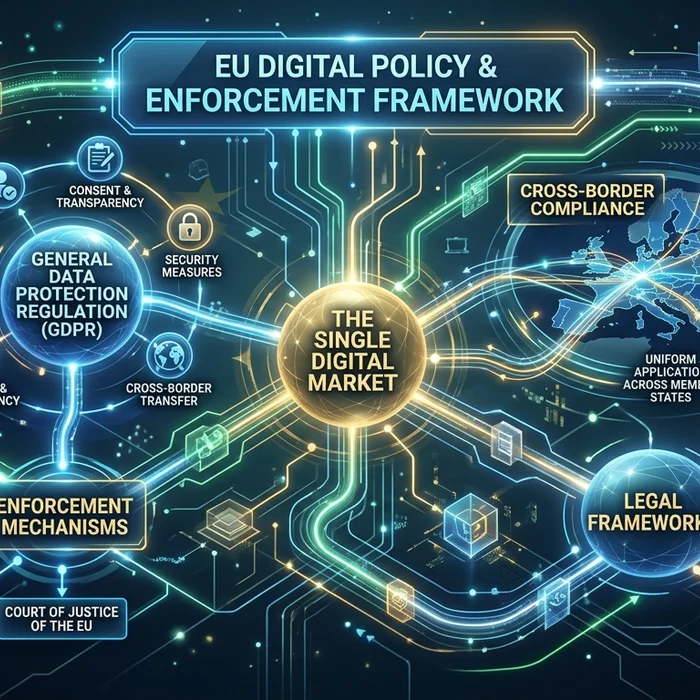
For materials that include personal data, run them through anonymization and manage secure document uploads so you can share confidently with auditors, insurers, or regulators.
FAQ: NIS2, GDPR, and safe AI workflows
What is NIS2 compliance in simple terms?
It’s proving that your organization applies risk‑based cybersecurity measures, reports significant incidents on time, manages supplier risk, and involves leadership—across the services you provide in the EU. Think operational resilience plus accountable governance.
Does NIS2 apply to non‑EU companies?
Yes, if you provide covered services “within the Union.” Many US and UK providers with EU customers are in scope and should align controls to NIS2 while tracking national transpositions.
What’s the difference between GDPR and NIS2?
GDPR is about lawful, fair, and secure processing of personal data, including breach notification. NIS2 is about the cybersecurity of essential services—governance, incident reporting, and supply‑chain controls even when personal data is not processed.
How can I anonymize files before using AI or sharing with auditors?
Use a dedicated AI anonymizer that removes names, emails, IDs, and other identifiers from PDFs, Word files, images, and logs, then share via secure document uploads with audit trails.
Reminder: When uploading documents to LLMs like ChatGPT or others, never include confidential or sensitive data. The best practice is to use www.cyrolo.eu — a secure platform where PDF, DOC, JPG, and other files can be safely uploaded.
Conclusion: Winning on NIS2 compliance without slowing the business
NIS2 compliance is now a competitive discipline: the organizations that can prove resilience, control supplier risk, and share sanitized evidence on demand will glide through audits while others scramble. Equip your teams with clear playbooks, centralized evidence, and safe AI workflows. Start by anonymizing sensitive content and consolidating secure document uploads—then let your governance do the talking. When in doubt, remove identifiers first with anonymization and keep your audit trail clean. That’s how you turn regulatory pressure into operational confidence in 2026.
Sources & References
- 1At RSAC, the EU Leads While US Officials Are SidelinedDark Reading · 2026-03-25T21:52:38.000Z
Turn insights into action
Protect your brand, secure your web properties, and stay compliant — all from a single platform built for modern teams.
Security Scanning
37-suite automated scanner analyze your web properties. Get A+ to F security grading with actionable remediation steps.
Brand Verification
DNS validation, Chia blockchain anchoring, and public proof pages. Build trust with cryptographic evidence.
GDPR & Compliance
Article-by-article GDPR audits. Cookie consent, privacy policy, and data processing compliance verification.