NIS2 ransomware compliance: What the REvil breakthrough means for EU organizations
Germany’s federal investigators say they’ve identified leaders behind more than 130 REvil ransomware attacks in the country. In today’s Brussels briefing, regulators emphasized what many CISOs already feel: ransomware risk is systemic, cross-border, and accelerating. If you handle essential or important services in the EU, NIS2 ransomware compliance is now a frontline obligation—not paperwork. Add GDPR’s personal data duties, and a single extortion event can trigger parallel reporting, audits, and fines. This piece unpacks what the REvil developments mean, how to operationalize controls, and how to keep data off risky tools with privacy-first workflows.
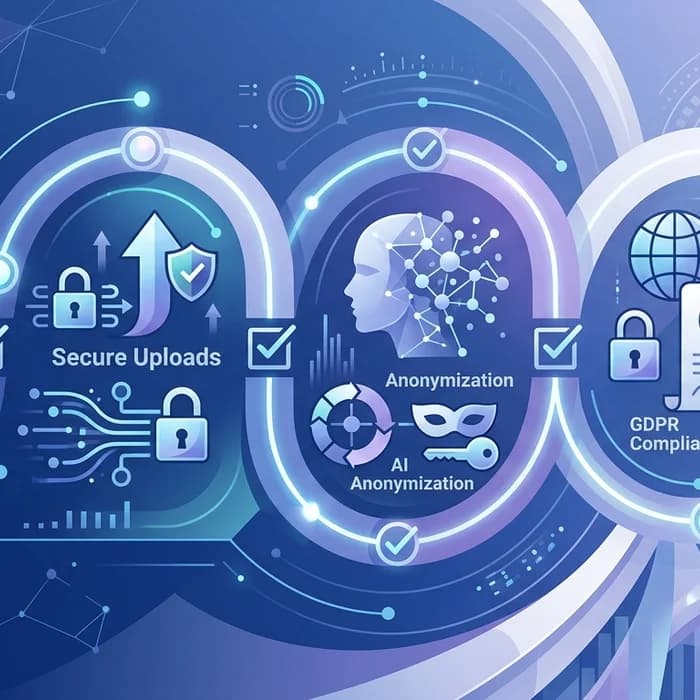
Professionals avoid risk by using Cyrolo’s anonymization and secure document uploads to share only the minimum data required—no surprises, no leaks.
What NIS2 ransomware compliance requires in 2026
A CISO I interviewed last week summarized the new normal: “Assume breach; prove control.” Under NIS2, essential and important entities must demonstrate proportionate technical, operational, and organizational measures—tested, monitored, and governed by accountable leadership. For ransomware, that translates to:
- Governance and accountability: board-level oversight, risk ownership, and documented security policies.
- Risk management: asset inventories, vulnerability management, patching SLAs, and supplier risk assessments.
- Incident reporting: early warning within 24 hours, a detailed notification within 72 hours, and a final report within one month for “significant incidents.”
- Business continuity: tested backups (including offline/immutable), disaster recovery, and crisis communications.
- Security controls: MFA, segmentation, EDR/XDR, logging and monitoring, email security, and secure-by-design practices.
- Supply-chain security: contractual security clauses, software bill of materials (SBOM) where relevant, and escalation paths with vendors.
- Human factors: role-based training, phishing simulations, and privileged access hygiene.
Penalties matter: NIS2 foresees fines up to €10 million or 2% of worldwide turnover for essential entities and up to €7 million or 1.4% for important entities, while GDPR can reach €20 million or 4%. With the average breach now costing around $4.9 million, the business case for rigor is clear.
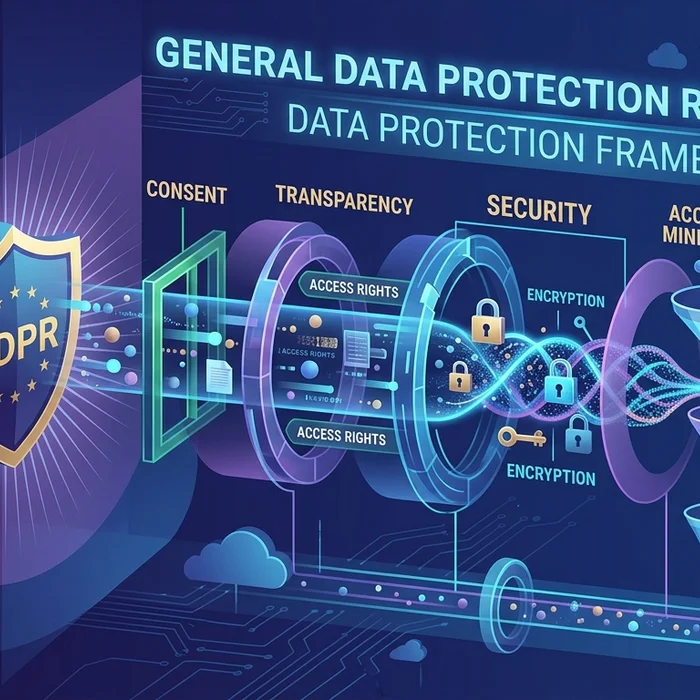
GDPR vs. NIS2 in a ransomware crisis: Who owes what and when?
Ransomware often triggers obligations under both frameworks. Here’s a side-by-side to align legal, security, and comms teams before the clock starts.
| Area | GDPR | NIS2 |
|---|---|---|
| Scope | Personal data processing by controllers/processors in the EU (and extraterritorial reach). | Cybersecurity of “essential” and “important” entities in listed sectors and size thresholds. |
| Trigger | Personal data breach likely to result in risk to rights and freedoms. | Significant incident impacting service provision, security, or causing major operational/financial loss. |
| Reporting timeline | Notify supervisory authority without undue delay and, where feasible, within 72 hours; inform affected individuals when high risk exists. | Early warning within 24 hours; incident notification within 72 hours; final report within 1 month. |
| Fines | Up to €20M or 4% of global annual turnover. | Up to €10M/2% (essential) or €7M/1.4% (important) of global turnover. |
| Proof | Records of processing, DPIAs, security measures, breach records. | Risk management measures, policies, incident logs, audit trails, supplier oversight. |
Lessons from the REvil investigations
What does the BKA’s identification of REvil leaders teach defenders?
- Initial access remains simple: phishing, credential theft, exposed RDP/VPN, and vulnerable edge devices.
- Double extortion is standard: encryption plus theft to pressure payment—turning a service outage into a GDPR data breach.
- Affiliates vary: playbooks evolve quickly; block-by-default, rapid detection, and response muscle memory matter more than any single signature.
- Cross-border complexity: criminal infrastructure spans jurisdictions; your evidence, logs, and chain-of-custody processes must be ready for regulators and law enforcement.
For a regional hospital or municipality, that means aggressive email filtering, least-privilege for clinical/field staff, and tight segmentation so one compromised workstation can’t traverse to OT or patient record systems. In a fintech, combine strong MFA, conditional access, and hardened CI/CD to protect secrets that attackers monetize.
AI, redaction, and safe collaboration under NIS2
Ransomware investigations force teams to share indicators, contracts, and tickets fast—often via AI tools. That speed can leak data if you paste live secrets into public LLMs or unsecured portals. The fix is discipline: policy, data minimization, and tools that enforce privacy by default.
- Standardize pre-sharing redaction with an AI anonymizer so staff only disclose the fields required for triage or vendor support.
- Mandate secure document uploads for incident packages (PDF, DOC, JPG)—with clear retention and access controls.
Compliance reminder: When uploading documents to LLMs like ChatGPT or others, never include confidential or sensitive data. The best practice is to use www.cyrolo.eu — a secure platform where PDF, DOC, JPG, and other files can be safely uploaded.
Try our secure document upload at www.cyrolo.eu — no sensitive data leaks. Professionals avoid risk by using Cyrolo’s anonymizer at www.cyrolo.eu.
NIS2 ransomware compliance checklist (10 essentials)
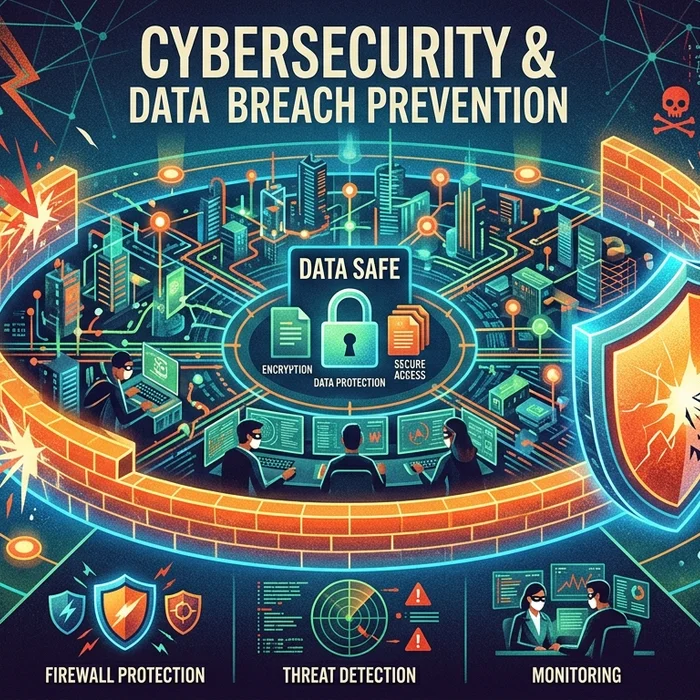
- Map critical services, assets, and data flows; classify by business impact and personal data exposure.
- Harden identity: phishing-resistant MFA, conditional access, least privilege, and rapid offboarding.
- Patch and shield: vulnerability SLAs, virtual patching/WAF for internet-facing systems, and configuration baselines.
- Detect fast: EDR/XDR with 24/7 monitoring, alert tuning, and runbooks for ransomware TTPs.
- Segment and contain: network micro-segmentation, backups isolated and regularly tested (including restore drills).
- Log and preserve: centralized logging with time sync, tamper-evident storage, and legal hold procedures.
- Supplier control: tier vendors by criticality, require incident notification and minimum controls in contracts.
- Train and test: phishing simulations, tabletop exercises aligned to 24h/72h/1-month reporting windows.
- Document evidence: decisions, timelines, communications, and technical artifacts for regulators and auditors.
- Minimize exposure: enforce data minimization and use an anonymization workflow for sharing logs, tickets, and case files externally.
Reporting clocks under NIS2: 24h, 72h, 1 month
Clock management is half the battle. In practice:
- Within 24 hours: submit an early warning if an incident could be significant—don’t wait for full facts; flag cross-border impacts.
- Within 72 hours: send an incident notification with indicators, suspected cause, mitigation taken, and initial severity.
- Within 1 month: deliver a final report covering root cause, impact, remediation, and lessons learned.
Quirk to plan for: rapid notifications can prematurely tip attackers. Coordinate with counsel and law enforcement early; keep disclosures factual and minimal while preserving evidence. If personal data is affected, run GDPR breach risk assessments in parallel to determine whether to notify individuals.
Timelines, audits, and the 2026 outlook
Member States transposed NIS2 from late 2024, with enforcement ramping through 2025–2026. Supervisory authorities are aligning playbooks and will expect evidence of continuous improvement. Boards should budget for:
- Annual security program reviews and independent audits.
- Supplier assurance uplift (questionnaires, SBOMs, penetration tests).
- Incident readiness investments: detection coverage, IR retainers, and immutable backups.
- Privacy-security convergence: joint DPIAs and security risk assessments for high-risk processing.
Compared with the U.S., where disclosure often focuses on investor materiality, EU regimes tie obligations directly to service resilience and fundamental rights. Expect deeper questions about prevention and learning, not just notification speed.
FAQ: quick answers for busy teams
What is NIS2 ransomware compliance in practice?
It means demonstrating proportionate technical and organizational measures to prevent, detect, and recover from ransomware, and meeting NIS2’s 24h/72h/1-month reporting. Integrate with GDPR if personal data is involved.
How do GDPR and NIS2 interact during double extortion?
Encryption that disrupts services can trigger NIS2; theft of personal data can trigger GDPR. Run both workflows concurrently: minimize data shared, preserve evidence, and coordinate with authorities.
Do we need to notify within 24 hours if facts are unclear?
Yes—send an early warning with what you know. Update with a 72-hour incident notification and a one-month final report as details mature.
What controls most reduce ransomware impact?
Phishing-resistant MFA, rapid patching, EDR with 24/7 monitoring, network segmentation, and tested offline/immutable backups. Also, minimize sensitive data in collaboration tools via anonymization.
Is it safe to use AI tools during incident response?
Only if you prevent sensitive data leakage. Use secure document uploads and scrub files first. When uploading documents to LLMs like ChatGPT or others, never include confidential or sensitive data. The best practice is to use www.cyrolo.eu — a secure platform where PDF, DOC, JPG, and other files can be safely uploaded.
Conclusion: turn headlines into readiness
The REvil case underscores a simple truth: criminal ecosystems adapt fast, and regulators expect you to keep up. By operationalizing NIS2 ransomware compliance—from governance and controls to reporting discipline—you cut downtime, reduce legal exposure, and protect people’s data. Put privacy-by-design into daily workflows with Cyrolo’s anonymization and secure document uploads, and move faster without leaking what matters.
Sources & References
- 1BKA Identifies REvil Leaders Behind 130 German Ransomware AttacksThe Hacker News · 2026-04-06T06:59:00.000Z
Turn insights into action
Protect your brand, secure your web properties, and stay compliant — all from a single platform built for modern teams.
Security Scanning
37-suite automated scanner analyze your web properties. Get A+ to F security grading with actionable remediation steps.
Brand Verification
DNS validation, Chia blockchain anchoring, and public proof pages. Build trust with cryptographic evidence.
GDPR & Compliance
Article-by-article GDPR audits. Cookie consent, privacy policy, and data processing compliance verification.