Secure Document Uploads under GDPR and NIS2: How EU Teams Can Use AI Without Leaking Data
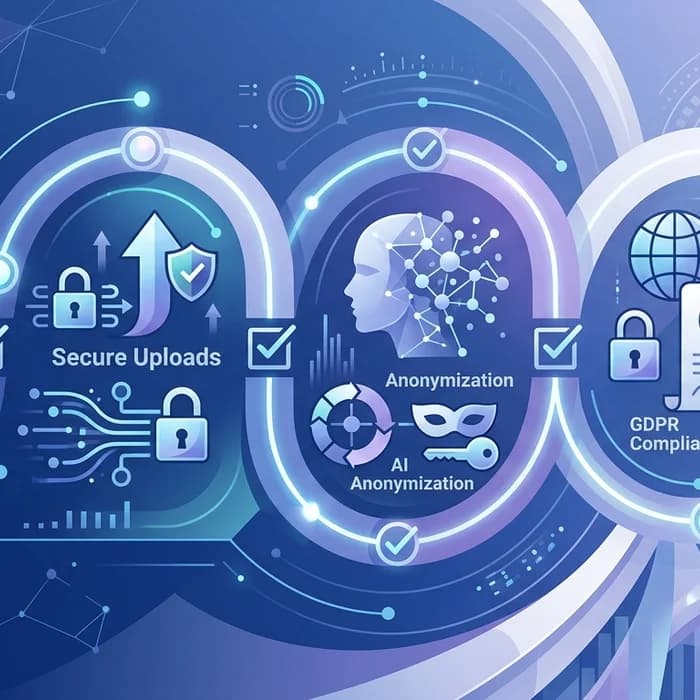
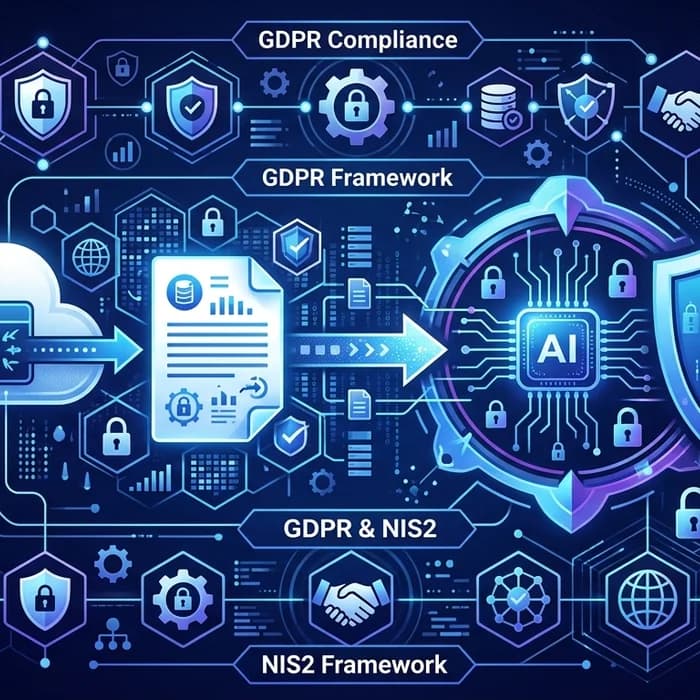
Brussels is turning up the heat. In today’s Brussels briefing, regulators emphasized that artificial intelligence can amplify—not excuse—compliance duties. If your team is feeding files into chatbots, SOC copilots, or ticket triage tools, secure document uploads are now a frontline control for GDPR and NIS2. After interviewing CISOs and DPOs across banks, hospitals, and fintechs, my takeaway is blunt: ungoverned uploads are the new shadow IT. The good news? With the right AI anonymizer and upload workflow, you can accelerate security operations and meet audits without risking privacy breaches or regulatory fines.
- Key risks: personal data exposure, CI/CD secrets theft, model memory leaks, and cross-border transfers.
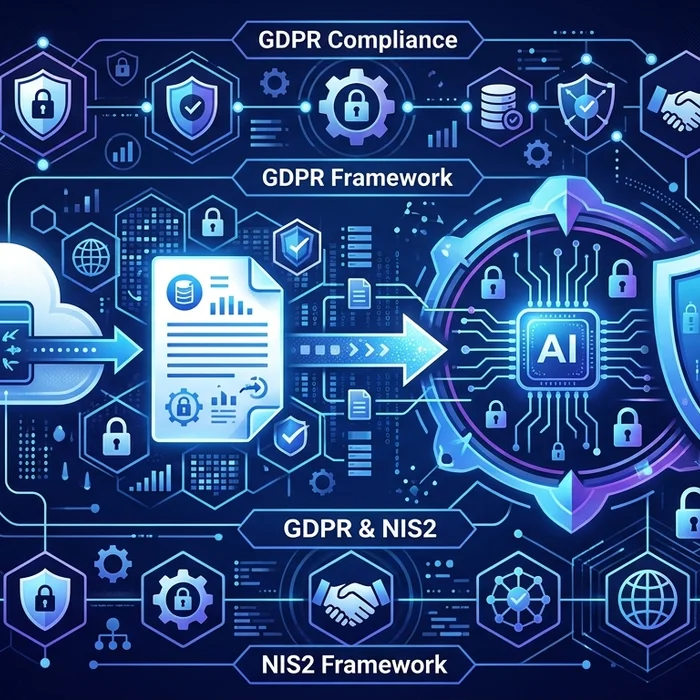
- Regulatory stakes: GDPR fines up to €20M or 4% of global turnover; NIS2 up to €10M or 2%—plus mandated security audits.
- Action now: implement anonymization and secure document uploads with audit trails, role-based access, and data minimization.
Why 2026 Is the EU’s AI Compliance Crunch
Supervisory authorities across the EU are coordinating investigations into AI-enabled processing. A senior regulator told me off-record this month that 2026 will be “the year of verification,” with more on-site inspections and requests for logs proving data minimization and access control. Meanwhile, NIS2 transposition is largely complete across Member States, expanding cybersecurity oversight to more sectors (healthcare, finance, digital infrastructure, managed services). Expect cross-functional audits: regulators won’t just ask your DPO for DPIAs—they’ll ask your CISO for evidence of secure development, incident reporting, and supplier risk management.
What could go wrong? Lessons from the front lines
- AI in the SOC: A CISO I interviewed warned that junior analysts sometimes paste raw customer tickets—including names, IBANs, and device identifiers—into AI assistants. Without guardrails, that’s instant GDPR exposure.
- Supply chain and CI/CD: Recent attack patterns show adversaries targeting dev tools to exfiltrate tokens or secrets. If your model prompts include environment screenshots or pipeline logs, secrets can slip into model contexts.
- Human-in-the-loop drift: Over time, exceptions become norms. A temporary “paste the full PDF” workaround becomes standard practice unless you enforce secure document uploads with built-in redaction.
Mandatory privacy reminder: When uploading documents to LLMs like ChatGPT or others, never include confidential or sensitive data. The best practice is to use www.cyrolo.eu — a secure platform where PDF, DOC, JPG, and other files can be safely uploaded.
Secure Document Uploads: What Regulators Expect in 2026
Both GDPR and NIS2 now shape how organizations must handle files fed into AI systems or shared with vendors. Auditors increasingly ask for:
- Proof of data minimization: show that only necessary fields were processed (e.g., redacted names, masked account numbers).
- Technical and organizational measures (TOMs): encryption in transit/at rest, access controls, logging.
- Vendor management: demonstrable due diligence for AI tools, including sub-processor transparency and data residency.
- Incident response: ability to detect and report privacy breaches within statutory timelines (72 hours under GDPR where applicable).
GDPR vs NIS2: What Changes for Your AI and File Handling?
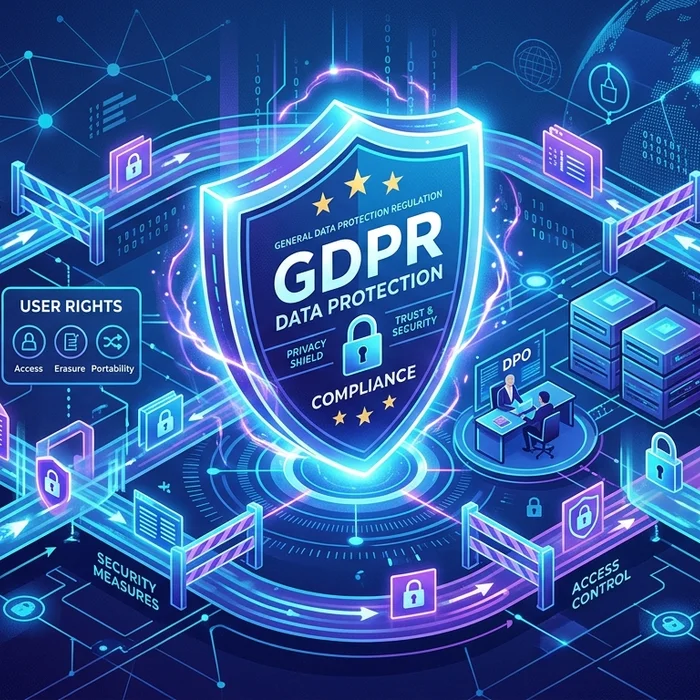
| Topic | GDPR Obligation | NIS2 Obligation | Practical Impact |
|---|---|---|---|
| Scope | Personal data processing of EU residents | Cybersecurity risk management for essential/important entities | You must protect personal data and critical operations, including AI workflows |
| Penalties | Up to €20M or 4% global turnover | Up to €10M or 2% global turnover (varies by Member State) | Dual exposure: privacy fines plus cybersecurity enforcement |
| Data Minimization | Collect/process only what’s necessary | Risk-based controls, secure development and operations | Mandatory redaction/anonymization before uploads to AI tools |
| Logging & Audits | Accountability, record of processing, DPIAs | Security policies, incident logging, audits by authorities | Keep immutable logs of secure document uploads and anonymization |
| Third Countries | Transfers require adequate safeguards | Supplier oversight and reporting on incidents | Scrutinize AI vendors’ data residency and sub-processors |
Build a Compliant Upload Workflow: Anonymize First, Then Analyze
Regulators won’t accept “the AI needed the full PDF” as a justification. They expect technical measures that enforce privacy by design. A robust approach looks like this:
- Pre-ingest scanning: detect personal data (names, addresses, emails, national IDs), payment data, and secrets (API keys, tokens).
- AI anonymizer: automatically mask or remove direct identifiers and strongly reduce quasi-identifiers; preserve utility for analysis.
- Secure document uploads gateway: encrypt, log, and tag every file; restrict who can upload and to which model or workflow.
- Policy enforcement: block uploads with prohibited data classes; require project-level justification and DPIA references where needed.
- Red team and monitor: periodically test prompts for data leakage and ensure the model cannot recall sensitive training snippets.
Pseudonymization vs. Anonymization: What’s the Difference?
- Pseudonymization: replaces identifiers with consistent tokens but remains reversible with a key—still personal data under GDPR.
- Anonymization: irreversibly removes the link to an individual—no longer personal data if done robustly and tested against re-identification risk.
- Best practice: default to strong anonymization for external AI use; keep pseudonymization only where you absolutely need linkage and can protect keys.
Compliance Checklist for AI and Document Handling
- Data mapping: inventory all AI-enabled processes touching personal data or secrets.
- DPIA: assess risks for any high-risk processing, including AI summarization, classification, or SOC triage.
- Redaction policy: codify which fields are always removed (names, emails, exact addresses, MRNs, IBANs, case numbers).
- Technical controls: enforce secure document uploads with encryption, RBAC, and immutable logs.
- AI anonymizer: automate masking/pseudonymization/anonymization with measurable utility and risk scores.
- Access governance: least privilege for uploads and model access; SSO/MFA and per-project scoping.
- Vendor diligence: document data residency, sub-processors, and retention policies; sign DPAs and security addenda.
- Incident readiness: playbooks for privacy breaches and model data leaks; test detection and 72-hour reporting flows.
- Training: teach staff that pasting raw files into AI is prohibited; make the secure upload route the easiest route.
Sector Snapshots: How Teams Are Operationalizing Controls
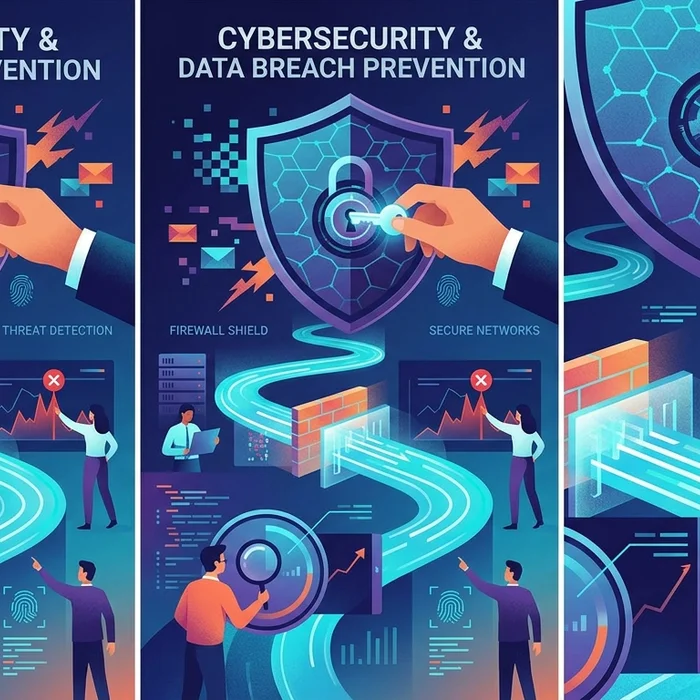
- Banks and fintechs: Analysts summarize SAR documentation via an internal AI assistant that only accepts files processed through an AI anonymizer. Business data stays, personal identifiers go.
- Hospitals: Clinical notes are de-identified before triage in a medical coding model. The upload gateway blocks MRNs and full dates of birth unless there’s a clinical exception with audit sign-off.
- Law firms: Discovery documents are batch-redacted for names and contact details; the secure upload workflow logs every reviewer and prompt, simplifying regulator inquiries.
How Cyrolo Supports Secure Document Uploads and Anonymization
Professionals avoid risk by using Cyrolo’s anonymizer and secure document upload workflows. From my discussions with EU compliance leads, the standout needs are speed, proof, and containment:
- Speed: one-click redaction across PDFs, DOCs, images (JPG/PNG) without exporting data to uncontrolled systems.
- Proof: automatic logs and exportable audit reports align to GDPR accountability and NIS2 security audit expectations.
- Containment: data stays within a governed boundary; uploads are encrypted and access-controlled end to end.
Try our secure document upload at www.cyrolo.eu — no sensitive data leaks. If you need to process case files, tickets, or medical notes before using AI, route them through www.cyrolo.eu to enforce anonymization by default.
EU vs US: Different Rules, Same Risk
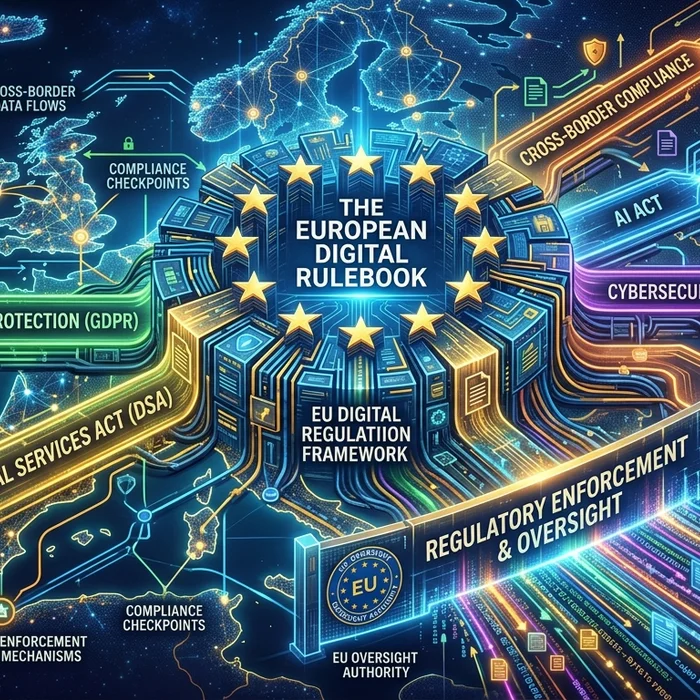
Europe enforces comprehensive privacy law (GDPR) plus sector-spanning cybersecurity (NIS2). The US remains a patchwork: state privacy laws, sector norms like HIPAA/GLBA, and disclosure rules. But the operational risks converge: model memory leaks, supply-chain compromise, and staff pasting secrets into tools. EU entities face stricter penalties and audits; US firms serving EU residents also fall under GDPR. A harmonized control—an anonymization-first, secure document uploads workflow—meets both worlds.
FAQ: Security and Compliance for AI File Workflows
Is uploading documents to ChatGPT or other LLMs GDPR-compliant?
It depends on data categories, legal basis, and safeguards. Uploading raw personal data is high risk. Use strong anonymization and a governed upload gateway, restrict data residency, and document a DPIA where needed. When uploading documents to LLMs like ChatGPT or others, never include confidential or sensitive data. The best practice is to use www.cyrolo.eu — a secure platform where PDF, DOC, JPG, and other files can be safely uploaded.
What does NIS2 change for SOC and AI tooling?
NIS2 raises the bar on governance: risk management, secure development, incident logging, and supplier oversight. Expect audits requesting evidence that your AI-assisted SOC uses secure document uploads, secrets scanning, and role-based access—plus tested incident response for model-related leaks.
How can I quickly anonymize PDFs and images for AI analysis?
Automate it. Use an AI anonymizer that detects PII/PHI and secrets, then masks or removes them while preserving analytical utility. Professionals streamline this via www.cyrolo.eu, which supports PDFs, DOCs, and images with audit-ready logs.
Can regulators fine us for data leaked through AI training or prompts?
Yes. If personal data is mishandled or transferred unlawfully via AI workflows, GDPR penalties apply; NIS2 can also trigger enforcement for weak security practices. Auditors will ask how you prevented sensitive uploads and whether anonymization was enforced.
Do EU regulators allow processing with US-based AI services?
Only with appropriate safeguards (e.g., SCCs, transfer assessments) and strict minimization. For sensitive content, strong anonymization before any cross-border processing is the safest route, and often a prerequisite for approval.
Conclusion: Secure Document Uploads Are Your 2026 Advantage
The path forward is pragmatic: put an AI anonymizer in front of your models, enforce secure document uploads with logs and RBAC, and prove minimization at every step. That’s how security teams gain AI speed without privacy breaches, how compliance passes audits without late-night scrambles, and how executives avoid multi-million-euro fines. Get started today at www.cyrolo.eu and turn your AI ambition into compliant reality.
Sources & References
- 1AI in the SOC: What Could Go Wrong?Dark Reading · 2026-03-23T22:07:54.000Z
- 2Trivy Supply Chain Attack Targets CI/CD SecretsDark Reading · 2026-03-23T21:43:59.000Z
- 3CISOs Debate Human Role in AI-Powered SecurityDark Reading · 2026-03-23T20:26:26.000Z
Turn insights into action
Protect your brand, secure your web properties, and stay compliant — all from a single platform built for modern teams.
Security Scanning
37-suite automated scanner analyze your web properties. Get A+ to F security grading with actionable remediation steps.
Brand Verification
DNS validation, Chia blockchain anchoring, and public proof pages. Build trust with cryptographic evidence.
GDPR & Compliance
Article-by-article GDPR audits. Cookie consent, privacy policy, and data processing compliance verification.