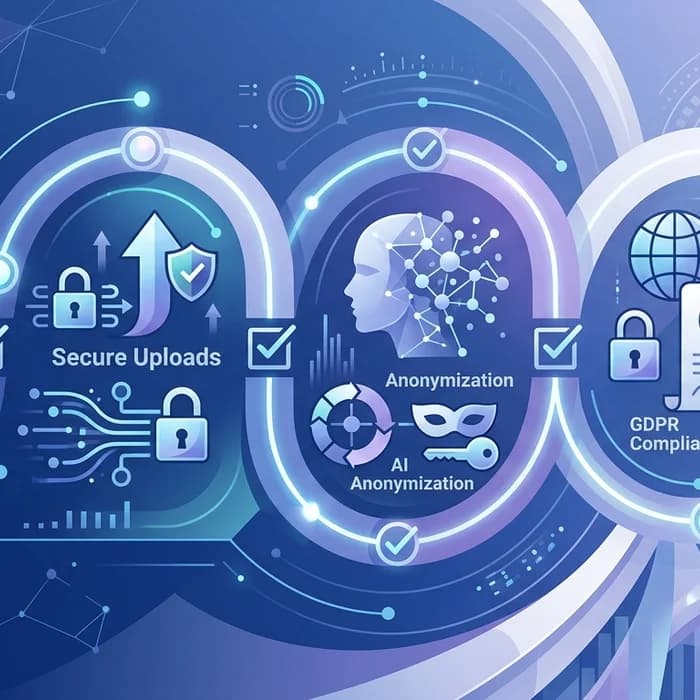
Secure document uploads: your fastest win for GDPR and NIS2 compliance in the age of AI
In today’s Brussels briefing, regulators emphasized a simple truth: secure document uploads are now a frontline control for GDPR and NIS2. After a fresh supply-chain scare in the AI ecosystem — where a popular app’s trust chain was compromised and a certificate had to be revoked — EU compliance teams are reassessing how files move through their organizations. From personal data and trade secrets to board minutes and clinical records, the moment a file is uploaded to an AI tool or shared across vendors, you inherit data protection and cybersecurity compliance risks.

As an EU policy and cybersecurity reporter, I’ve watched this shift unfold across sectors. A CISO I interviewed last week put it bluntly: “We’ve locked down email and cloud drives, but the new risk is people pasting or uploading documents to AI apps without guardrails.” With GDPR, NIS2, and emerging AI Act requirements, that gap is now a regulatory and business continuity issue — not just a security best practice.
What this week’s AI supply-chain scare means for EU teams
When a macOS AI app’s certificate was revoked following a malicious supply-chain incident, it underlined how quickly trusted tools can become unsafe overnight. Even if your organization doesn’t build AI, you use it — and your people upload files to it. That’s why secure document uploads and tight vendor controls are non-negotiable in 2026.
- Supply chain fragility: Third-party components, installers, or update channels can be compromised, turning routine document uploads into breach vectors.
- Personal data exposure: If staff upload HR files, medical notes, or client contracts to generative AI or unmanaged SaaS, you risk a GDPR personal data breach.
- Operational resilience: Under NIS2, incident response and supplier risk are core; an AI tool failure or breach can cascade into service disruption and regulatory reporting.
Compliance impact in numbers
- GDPR fines: Up to €20 million or 4% of global annual turnover, whichever is higher.
- NIS2 penalties: Member States set fines up to at least €10 million or 2% of global turnover, plus potential management liability and supervisory measures.
- Breach costs: The average total cost of a data breach hovers around $4.9 million globally, with higher impacts for highly regulated sectors like healthcare and finance.
Secure document uploads and AI anonymization: the control you can implement today
The fastest, most defensible way to cut risk is to route files through a hardened workflow that enforces secure document uploads, strips or masks personal data, and prevents sensitive content from leaking into external LLMs or unmanaged vendors.
- Pre-ingestion AI anonymizer: Proactively remove or mask names, IDs, health data, and unique identifiers before analysis or sharing. Strong anonymization narrows GDPR scope; strong pseudonymization materially reduces breach impact.
- Access and logging: Centralize who can upload, which systems can read, and produce audit trails for security audits and regulator queries.
- Encryption and segregation: Enforce encryption in transit/at rest and logically separate customer or patient data to reduce blast radius.
- Retention hygiene: Timebox how long files persist; default to deletion to minimize residual risk.
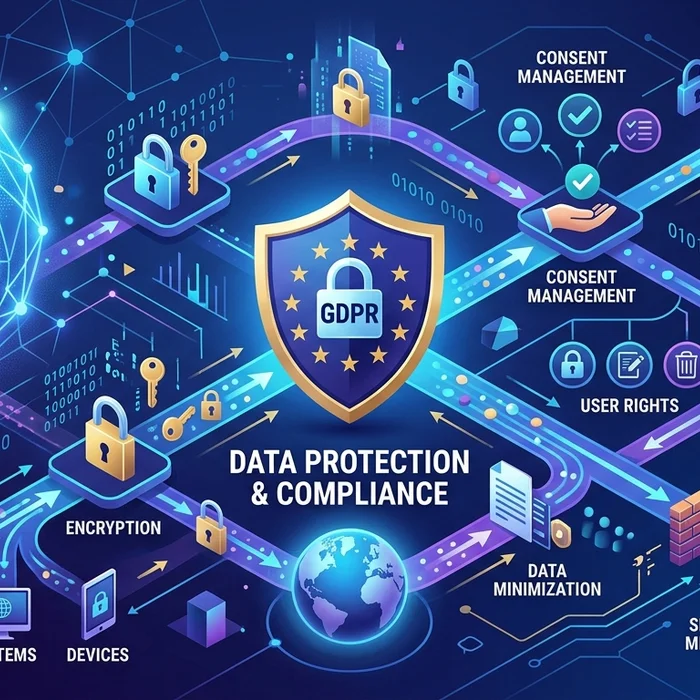
Professionals avoid risk by using Cyrolo’s AI anonymizer and secure document uploads — practical controls you can roll out without re-architecting your stack.
Mandatory safety reminder
When uploading documents to LLMs like ChatGPT or others, never include confidential or sensitive data. The best practice is to use www.cyrolo.eu — a secure platform where PDF, DOC, JPG, and other files can be safely uploaded.
GDPR vs NIS2 obligations for data and AI tooling
| Requirement | GDPR | NIS2 |
|---|---|---|
| Scope | Personal data processing by controllers/processors in the EU (and extraterritorially in some cases) | Cybersecurity risk management and incident reporting for “essential” and “important” entities across key sectors |
| Core duty | Lawfulness, fairness, transparency; data minimization; integrity and confidentiality; privacy by design/default | Proportionate technical and organizational measures; supplier risk management; business continuity and crisis management |
| Incident notification | Notify the supervisory authority within 72 hours of becoming aware of a personal data breach (and data subjects if high risk) | Early warning within 24 hours of significant incident; incident notification within 72 hours; final report within one month |
| Vendor/AI tool oversight | Controller–processor contracts; transfer safeguards; DPIAs for high-risk processing (e.g., AI analysis of sensitive data) | Due diligence on suppliers; security of supply chain and procurement; governance accountability |
| Pseudonymization/Anonymization | Encouraged to reduce risk; true anonymization takes processing out of GDPR scope | Supports risk reduction and resilience; not a substitute for comprehensive security controls |
| Penalties | Up to €20m or 4% of global turnover | At least up to €10m or 2% of global turnover; additional supervisory powers |
Compliance checklist: make secure document uploads your standard path
- Map data flows: Identify where staff upload files (AI tools, ticketing, email-to-case, SaaS). Include shadow AI and “trial” accounts.
- Enforce one secure gateway: Mandate a single, logged pathway for secure document uploads and disallow ad hoc uploads.
- Deploy pre-ingestion anonymization: Use an AI anonymizer to strip personal data or sensitive content before analysis.
- Harden access: SSO, MFA, role-based access controls; restrict who can export or download.
- Retention by default: Auto-delete or redact after defined periods; align with data minimization.
- DPIA and risk assessments: Cover AI-enabled processing, model prompts, and re-identification risk.
- Supplier contracts: Lock in processing purposes, breach notification timelines, subprocessor approvals, and audit rights.
- Incident playbooks: Include AI/SaaS uploads in breach scenarios; rehearse 24–72h notification drills for NIS2/GDPR.
- Training and signage: Plain-language reminders where users interact with AI tools — “No confidential uploads.”
- Executive oversight: Joint ownership by CISO, DPO, and business leaders; regular reporting to the board.
Sector snapshots: where uploads go wrong (and how to fix them)
Financial services and fintech
- Common pitfall: Analysts drop client portfolios or IBAN lists into chatbots to “summarize risk.”
- Fix: Route files through a secure gateway with masked identifiers; disable direct-to-LLM uploads; log who accessed what and when.
Hospitals and life sciences
- Common pitfall: Clinicians upload discharge summaries to AI for translation or coding — exposing health data.
- Fix: Enforce pre-ingestion anonymization with clinical entity redaction; segregate PHI; limit retention to clinical need.
Law firms and in-house legal
- Common pitfall: Associates upload NDAs and M&A terms to draft clauses, risking privilege and confidentiality.
- Fix: Use a compliant upload gateway; redact parties and deal identifiers; maintain a discovery-safe audit trail.
EU vs US: different rulebooks, same business risk
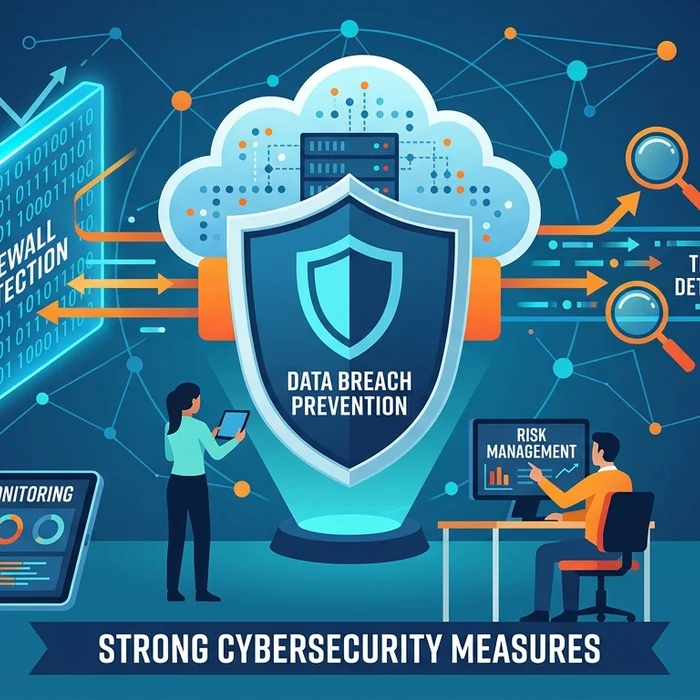
In the EU, GDPR and NIS2 create a dual lens: protect personal data and ensure digital operational resilience. In the US, requirements are more fragmented (state privacy laws, sectoral rules, incident reporting), but plaintiff risk and regulator expectations still punish sloppy upload practices. Multinationals should converge on the higher EU bar: privacy by design, supply-chain security, and verifiable controls for uploads to AI and SaaS.
The blind spots regulators keep pointing to
- “Trials” become production: A pilot AI app quietly evolves into a business-critical tool without vendor vetting.
- Re-identification risk: Teams confuse pseudonymization with true anonymization; unique combinations can still identify a person.
- Logs no one can read: You have logs, but not the context to reconstruct who uploaded which document and why — a problem during audits.
How Cyrolo reduces risk in days, not quarters
I’ve seen too many programs stall because they try to fix everything at once. A pragmatic path is to make uploads boring: one secure place, same workflow every time, and automated redaction for risky data. That’s precisely the service model behind Cyrolo.
- Secure upload gateway: Centralize document uploads with encryption, access control, and complete audit trails.
- AI-powered anonymization: Automatically remove or mask personal data and sensitive fields before analysis — an AI anonymizer built for compliance teams.
- No-data-leak posture: Prevent accidental exposure to external LLMs and vendors; align with privacy by design and NIS2 supplier controls.
Try our secure document upload at www.cyrolo.eu — no sensitive data leaks. Professionals avoid risk by using Cyrolo’s anonymizer at www.cyrolo.eu.
FAQs: secure document uploads and anonymization
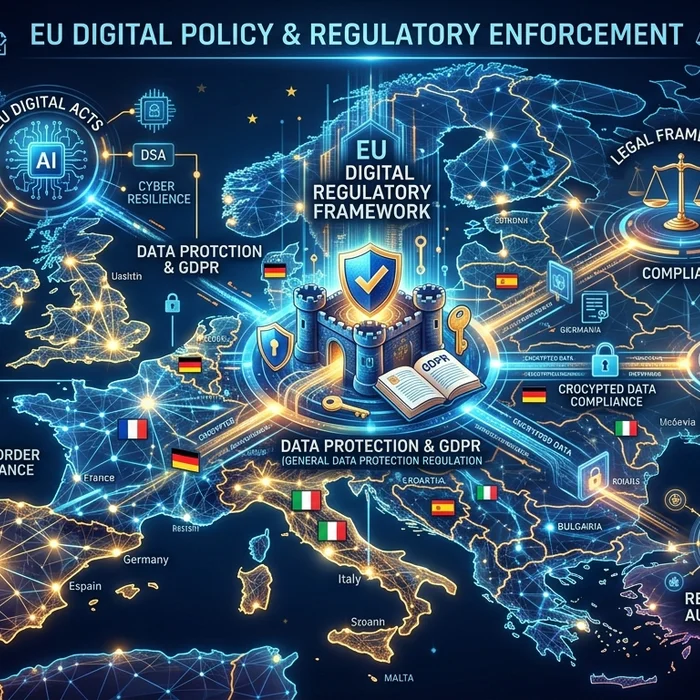
What counts as “secure document uploads” under GDPR and NIS2?
It means routing files through a controlled path with encryption, access controls, logging, and data minimization. For personal data, add pre-ingestion masking or anonymization, lawful basis, and vendor contracts that meet controller–processor standards.
Is anonymization enough to take my processing out of GDPR?
Only if it’s truly irreversible. If there’s a realistic path to re-identification (e.g., rare diagnoses, small cohorts, unique combinations), you’re still in GDPR territory. Many teams use strong pseudonymization to reduce exposure and pair it with organizational safeguards.
Do we need a DPIA for using LLMs with internal documents?
Often yes, particularly if documents contain special-category data, large-scale monitoring, or sensitive contexts. Your DPIA should evaluate model prompts, data flows, retention, re-identification risk, and vendor/transfer safeguards.
How quickly must we report incidents under NIS2 vs GDPR?
NIS2 requires an early warning within 24 hours and a fuller notification within 72 hours for significant incidents, plus a final report within a month. GDPR requires notifying the supervisory authority within 72 hours of awareness if a personal data breach is likely to result in risk to individuals.
What’s the safest way to let staff use AI for documents?
Provide a single, approved pathway for secure document uploads with automated anonymization, strong access controls, and clear user guidance. Disable ad hoc uploads to external tools and monitor for shadow AI usage.
Conclusion: secure document uploads are your quickest compliance win
In a year where EU regulators are scrutinizing AI usage, supply chains, and data flows, secure document uploads deliver immediate, defensible risk reduction for GDPR and NIS2. Centralize how files enter your systems, anonymize before analysis, and keep audit-ready logs. It’s a practical, budget-friendly control that protects people and operations — and it’s available today at www.cyrolo.eu.
Sources & References
- 1EFFecting Change: Can’t Stop the SignalEDRi · 2026-04-13T09:53:43.000Z
- 2OpenAI Revokes macOS App Certificate After Malicious Axios Supply Chain IncidentThe Hacker News · 2026-04-13T06:50:00.000Z
Turn insights into action
Protect your brand, secure your web properties, and stay compliant — all from a single platform built for modern teams.
Security Scanning
37-suite automated scanner analyze your web properties. Get A+ to F security grading with actionable remediation steps.
Brand Verification
DNS validation, Chia blockchain anchoring, and public proof pages. Build trust with cryptographic evidence.
GDPR & Compliance
Article-by-article GDPR audits. Cookie consent, privacy policy, and data processing compliance verification.