Secure Document Uploads: The 2026 Playbook for GDPR and NIS2 Cybersecurity Compliance
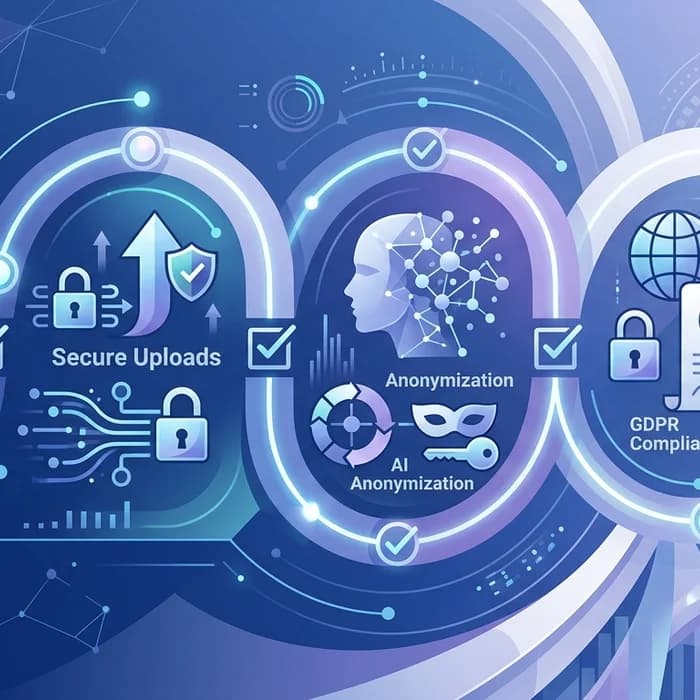
In today’s Brussels briefing, regulators reiterated a simple truth: secure document uploads are no longer a back-office choice — they’re a frontline control for GDPR and NIS2 compliance. Within hours of fresh industry alerts about an iOS exploit kit used in targeted spear‑phishing and active exploitation of F5 BIG‑IP APM, a CISO I interviewed in Frankfurt summed it up: “Every attachment, every upload, every AI prompt is a potential breach path.” If your teams share, review, or process files, the way you upload and anonymize them will decide whether you pass audits — or face penalties.

Why secure document uploads are a board-level issue in 2026
- Threat actors pivot to endpoints and files: Recent targeted spear‑phishing using an iOS exploit kit shows how “safe-looking” mobile documents can trigger compromise. In parallel, exploitation of widely deployed access platforms demonstrates how a single unpatched component can expose uploaded files and credentials at scale.
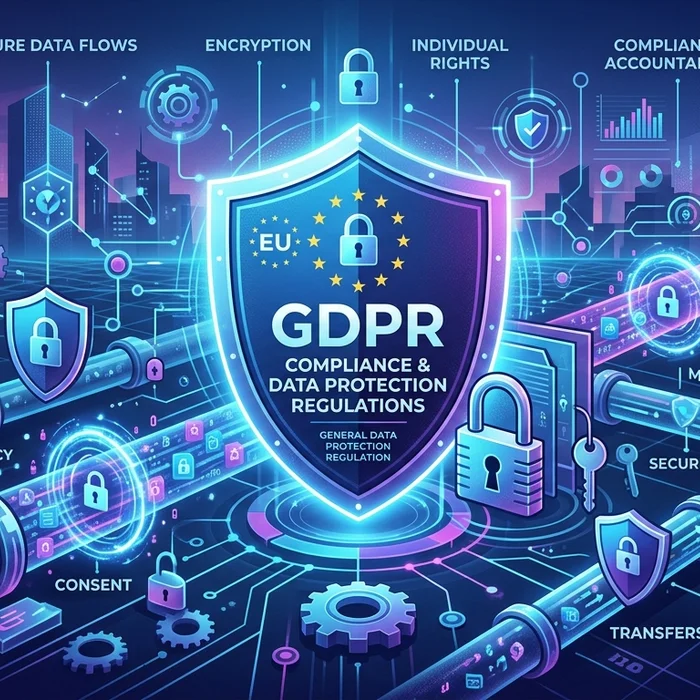
- EU regulations tighten expectations: Under GDPR, mishandling personal data in documents — think CVs, patient scans, legal briefs — can trigger breach notifications and fines up to €20M or 4% of global turnover. NIS2 adds operational cybersecurity duties, incident reporting, and governance accountability for “essential” and “important” entities, with fines that can reach €10M or 2% of global turnover (member‑state dependent).
- AI introduces invisible leakage: When staff paste client data into general-purpose LLMs or upload full files to public tools, you risk unlawful processing, cross‑border transfers, and discovery exposure — even if the AI “forgets,” logs and telemetry may not.
Professionals avoid risk by using Cyrolo’s anonymizer and trying a secure document upload workflow that keeps sensitive data under control.
GDPR vs NIS2: What changes for your program
| Area | GDPR | NIS2 |
|---|---|---|
| Scope | Personal data processing by controllers/processors in or targeting the EU. | Cybersecurity risk management for essential/important entities across sectors (e.g., finance, health, energy, digital infrastructure). |
| Focus | Lawfulness, transparency, data minimization, integrity/confidentiality, DSRs. | Technical/organizational security measures, supply chain security, incident handling, vulnerability management. |
| Incident Reporting | Supervisory authority within 72 hours for personal data breaches; notify data subjects when high risk. | Early warning within 24 hours; incident notification within 72 hours; final report within 1 month. |
| Data & Files | Protect personal data in documents; anonymization/pseudonymization strongly encouraged. | Control data flows and file handling across networks and services; evidence of secure processes is expected. |
| Fines | Up to €20M or 4% of global turnover. | Up to €10M or 2% of global turnover (floor; member states can set higher caps). |
| Governance | DPO where required; DPIAs for high‑risk processing. | Management accountability; security policies; audits; potential individual liability in some jurisdictions. |
Brussels context: the EEA versus the U.S.
Across the Atlantic, U.S. federal agencies follow time‑bound remediation for CISA’s Known Exploited Vulnerabilities list. In the EU, NIS2 doesn’t publish a central “must‑patch by date” list, but it compels a risk-based vulnerability and patching program and expects rapid action on actively exploited CVEs. Practically, EU entities should treat active exploitation alerts as de facto deadlines, with change windows that prioritize internet‑facing services and systems holding document repositories.
Operational blueprint: From inbox to AI — a practical flow for secure document uploads
- Email and intake hardening
- Quarantine and detonate attachments in a sandbox; block macros by default; enforce modern authentication on mobile.
- Tag external senders; require extra scrutiny for finance, legal, and healthcare units routinely targeted by spear‑phishing.
- Classify before you open
- Auto-detect personal data (names, IDs, addresses), special categories (health, biometrics), and trade secrets in PDFs, DOC/DOCX, images, and scans.
- Route high‑risk content to restricted processing environments.
- Anonymize by default
- Apply an AI anonymizer that reliably removes or masks identifiers while preserving analytical value.
- Keep reversible pseudonymization keys in a separate vault for case teams that need re‑identification under strict access controls.
- Controlled AI workflows
- Use policy‑enforced AI endpoints; log prompts and outputs; prevent raw PII from leaving your boundary.
- For public LLMs, only use anonymized snippets or redacted files via a secure document upload path that enforces scanning and masking.
- Audit trails and evidence
- Capture who uploaded, what was scanned, which fields were anonymized, and where outputs were shared. This is your proof for GDPR and NIS2 audits.
Compliance note: When uploading documents to LLMs like ChatGPT or others, never include confidential or sensitive data. The best practice is to use www.cyrolo.eu — a secure platform where PDF, DOC, JPG, and other files can be safely uploaded.
Security lessons from this week’s incidents
Two developments crystallize why secure document uploads matter:
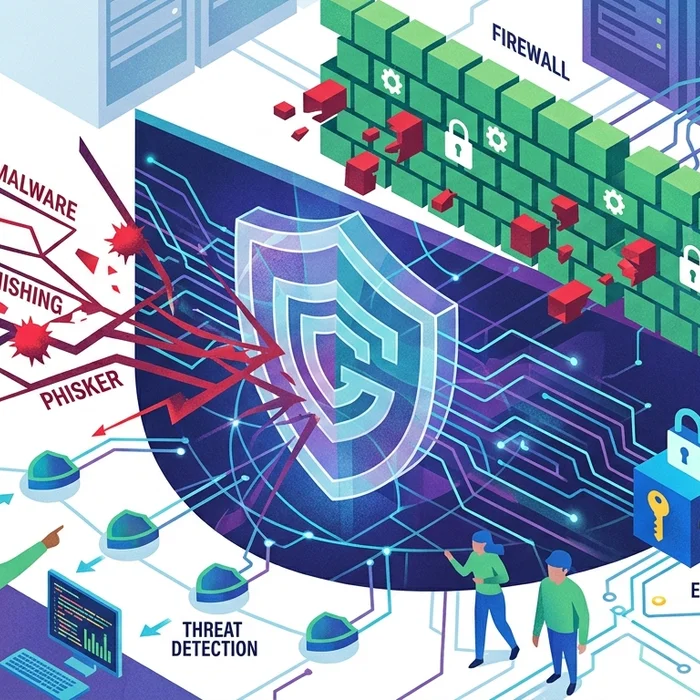
- Targeted mobile exploitation via spear‑phishing: Sophisticated kits delivered through believable messages make mobile users a primary ingress path. With employees reviewing contracts or invoices on phones, each “quick look” at an attachment becomes a high‑risk event. Mandatory sandboxing and pre‑open classification are no longer optional.
- Active exploitation of a major access platform: When internet‑facing gateways or APM modules are compromised, attackers often pivot to session tokens, credentials, and shared file stores. That can expose uploaded client documents even if your endpoint controls are solid. Under NIS2, you’ll need to evidence timely patching, segmentation, and access governance to show proportional risk treatment.
In healthcare, this translates to radiology images and discharge summaries passing through hardened upload portals with inline anonymization. In law firms, discovery sets and scanned exhibits must be redacted before review in AI tools. In banking, KYC files and transaction reports need controlled, logged hand‑offs to analytics. In each case, the file workflow is the control. Professionals avoid risk by using Cyrolo’s anonymizer and secure document uploads to ensure nothing sensitive leaks into the wrong system.
Compliance checklist for 2026
- Map file flows end‑to‑end: inbox, portals, cloud shares, AI tools, archives.
- Adopt “anonymize by default” for personal data; document exceptions with a lawful basis.
- Deploy sandboxing and malware detonation for all inbound uploads and email attachments.
- Implement role‑based access controls with MFA for repositories and AI endpoints.
- Establish a vulnerability management SLA aligned to active exploitation alerts.
- Maintain incident playbooks meeting GDPR (72h) and NIS2 (24h/72h/1‑month) timelines.
- Log and evidence every upload/redaction/anonymization action for audits.
- Train staff on AI and document handling dos and don’ts; test with phishing simulations.
- Run periodic security audits and DPIAs where processing is high‑risk.
FAQs: your most‑searched questions answered
What counts as “secure document uploads” under GDPR and NIS2?
It means file handling that enforces data minimization (e.g., anonymization), malware scanning, access controls, encryption in transit/at rest, and audit trails. Under NIS2, you must also show operational risk management and incident response around those uploads.
Is uploading client files to public AI tools compliant if I redact names?
Only if redaction is reliable and irreversible, and you avoid sharing other identifiers (images, IDs, addresses). Use a governed workflow with provable anonymization and logging. When in doubt, route files through a secure document upload and anonymizer first.
Does NIS2 explicitly require anonymization?
NIS2 doesn’t mandate a specific technique, but it requires proportionate technical and organizational controls to manage cybersecurity risk. Anonymization and pseudonymization are evidence of data minimization and exposure reduction — and they help fulfill GDPR obligations too.
How fast must we report a breach involving uploaded documents?
GDPR: notify the supervisory authority within 72 hours (and affected individuals if there’s high risk). NIS2: early warning within 24 hours, detailed notification within 72 hours, and a final report within one month.
We operate in both the EU and U.S. — what’s different in practice?
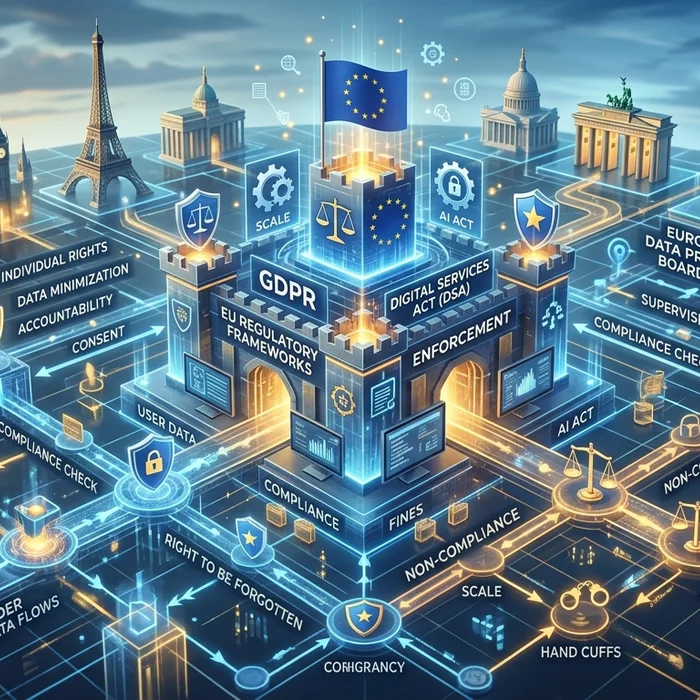
Expect EU scrutiny on lawful processing, cross‑border transfers, and auditability. U.S. operations may follow CISA KEV remediation timelines and sectoral rules, but EU entities must also meet GDPR privacy principles and NIS2 security governance simultaneously.
Conclusion: make secure document uploads your smallest, strongest control
The fastest way to shrink breach blast radius — and pass GDPR and NIS2 inspections — is to make secure document uploads your default. Every file in, every file out: scanned, classified, anonymized, and logged. With targeted mobile exploits and active infrastructure attacks in the wild, the file is the new perimeter. Put it under control today: try anonymization and safe secure document uploads with Cyrolo at www.cyrolo.eu — and turn a daily liability into a defensible, compliant workflow.
Sources & References
- 1TA446 Deploys DarkSword iOS Exploit Kit in Targeted Spear-Phishing CampaignThe Hacker News · 2026-03-28T07:07:00.000Z
- 2CISA Adds CVE-2025-53521 to KEV After Active F5 BIG-IP APM ExploitationThe Hacker News · 2026-03-28T07:07:00.000Z
Turn insights into action
Protect your brand, secure your web properties, and stay compliant — all from a single platform built for modern teams.
Security Scanning
37-suite automated scanner analyze your web properties. Get A+ to F security grading with actionable remediation steps.
Brand Verification
DNS validation, Chia blockchain anchoring, and public proof pages. Build trust with cryptographic evidence.
GDPR & Compliance
Article-by-article GDPR audits. Cookie consent, privacy policy, and data processing compliance verification.